Parliament’s Portfolio Committee on Tourism has called for economic impact assessments, legal opinions and stakeholder consultations before any move towards a national tourism dual-pricing policy after questioning the evidence presented by the Department of Tourism in support of the concept.
The department briefed the committee on the findings of a dual-pricing study earlier this month, arguing that international tourists generally accept higher fees than local residents where revenue is used to support tourism infrastructure and affordability.
The study mentioned examples of dual pricing in countries such as Thailand, Sri Lanka, Kenya, Peru and India, and pointed to South Africa’s existing differentiated pricing model in national parks where South Africans, SADC citizens and international visitors pay different conservation fees. However, international data used in the presentation was over a decade old with SANParks tariff examples from 2020/21 and 2021/22.
In response, MPs raised concerns about lack of supporting evidence and warned against introducing any policy without a comprehensive assessment of its economic, legal and tourism impacts.
DA MP Elmarie Linde said any proposal should be supported by clear evidence, economic impact assessments, legal opinions and stakeholder consultations before implementation. She suggested pilot projects are undertaken before any broader rollout.
ANC MP Masefako Dikgale raised concerns about transparency, noting that any differential pricing model would need to comply with the Consumer Protection Act and provide visitors with clear pricing information and full disclosure of costs. She also questioned how the Department of Tourism would monitor the long-term impact of such a policy on visitor numbers, tourism performance and economic growth.
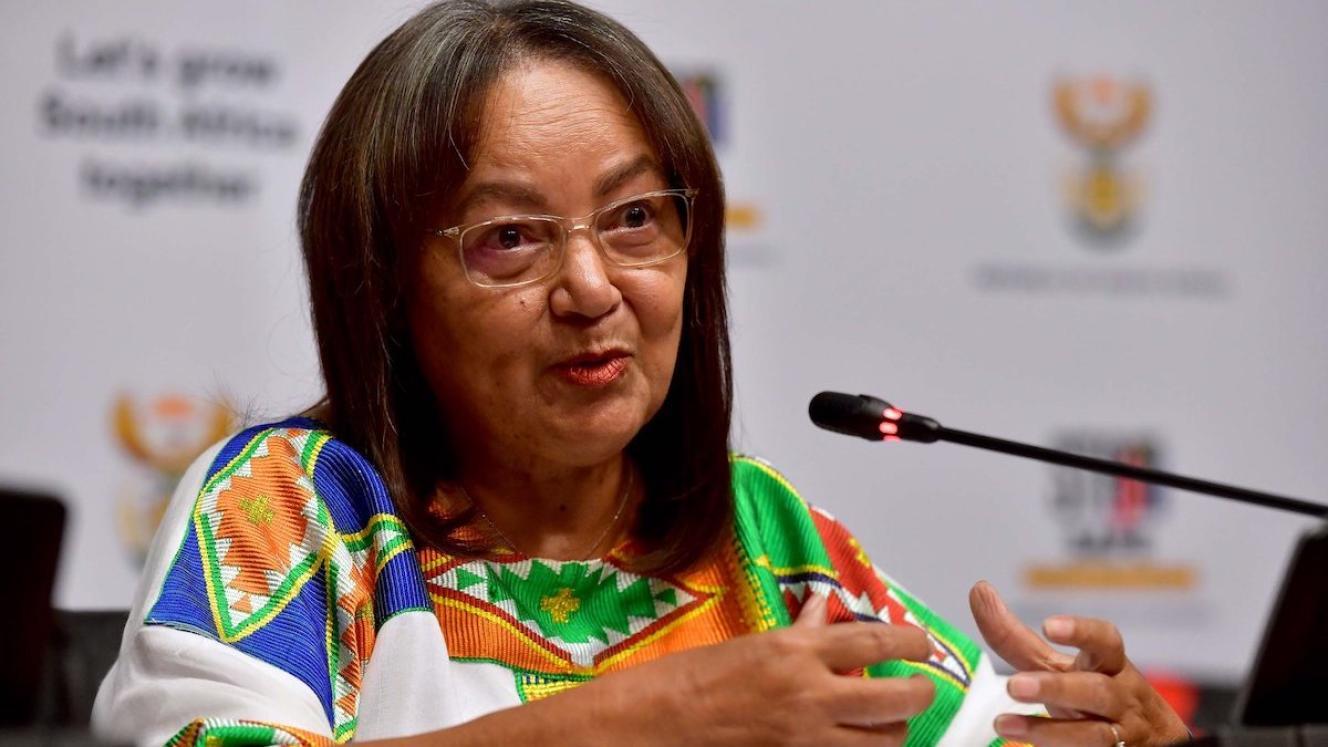
Tourism Minister Patricia de Lille acknowledged that South Africa currently has no legislative or policy framework governing dual pricing and said the department is considering developing a policy position and code of good practice through consultation with industry stakeholders. She indicated that the department will be guided by the Portfolio Committee on Tourism in further assessments, including an economic impact study.
The committee has called for further work on the proposal, including social and economic impact assessments, before any policy decisions are taken.