The controversial Chinese-funded standard-gauge railway link between Nairobi and Mombasa will cut through the Nairobi National Park, despite opposition from conservationists.
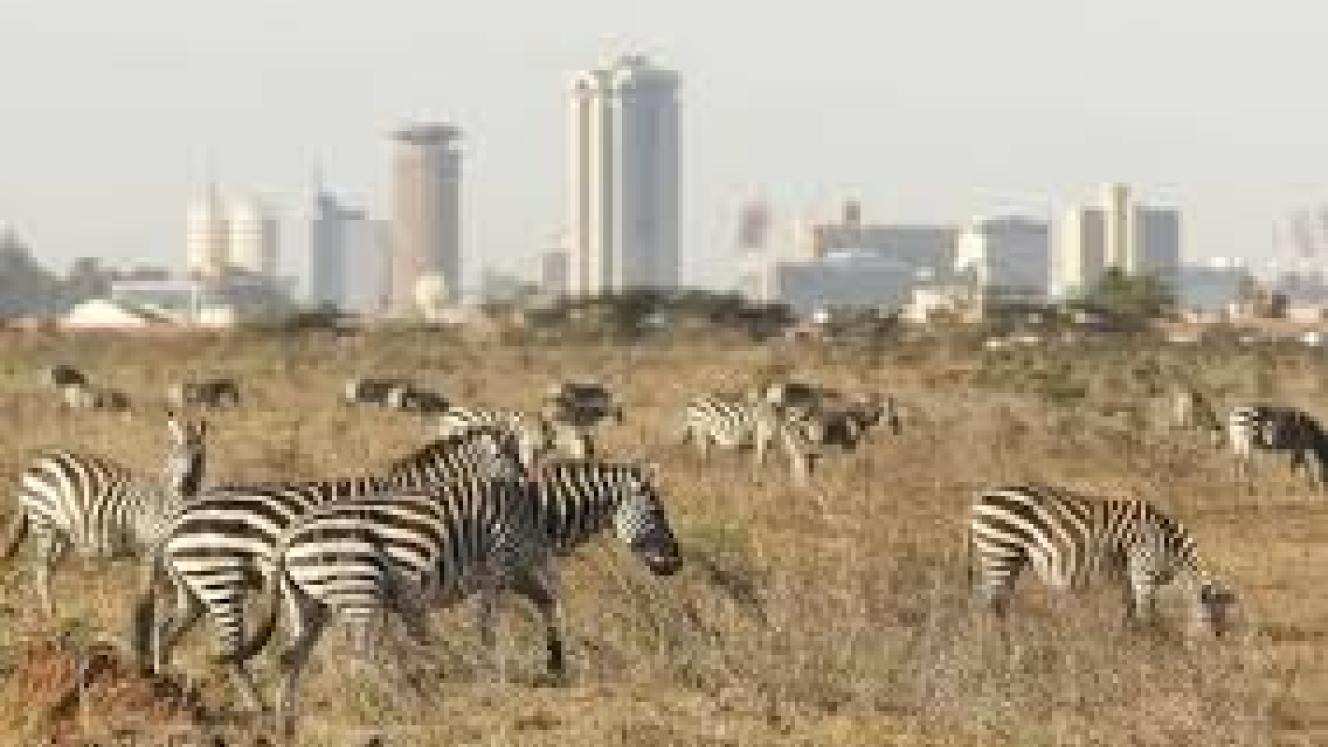
Last week, a deal was signed by officials of the Kenya Wildlife Service (KWS), the National Land Commission (NLC) and Kenya Railways to allow 11km of the high-speed railway to run through the park, which is home to zebras, giraffes, leopards, cheetahs, lions and other animals.
The 472km railway, which is expected to cut by half the travelling time from Mombasa to Nairobi, was first earmarked to pass through industrial and residential areas of Mlolongo and the Athi River. However, Chair of the NLC, Mohammed Swazuri, said the cost of this alternative route was just too high.
According to Kenyan officials, the agreement ensures that the railway will in no way harm the ecological health of the wildlife sanctuaries. The track will be fenced to protect the animals from the fast-moving trains, and sections passing through the national park will be elevated to allow movement of wildlife and visitors.
The agreement also stipulates that the original boundaries of the Nairobi National Park will not be altered. KWS will further receive funds from Kenya Railways, which will be invested in a transparent Wildlife Endowment Fund.
Kenya Wildlife Service Chairman, Richard Leakey, said during a press conference that the current deal was the only option for now. “I think it’s a pragmatic alternative, which this country needs to try. By doing so, we’ll be leading the way for the whole continent,” he said, adding that the option was obviously not ideal. “Ideally, there should be no transport in a national park.”
Secretary of Friends of Nairobi National Park, Aliya Habib, has expressed her concern regarding the railway. She told Tourism Update: “The area of the park that they intend to hive off for the railway is prime rhino habitat. Nairobi National park has the highest concentration of rhino in the country at present.”
Habib adds that the park has been closed in recent years with development taking over and migratory routes being blocked as a result. “This constant grabbing of park land will eventually result in a situation where the land will no longer be able to sustain the wildlife. Besides, the park belongs to Kenyan citizens – it is the only national park in a city in the world – and is not for the government to use for development as they deem fit.”