Female operators in the tourism industry will meet for a one-day symposium on February 25, in Tanzania’s Serengeti National Park to discuss the roles women play in the industry and society.
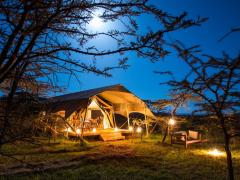
‘Women in tourism 2018’ will be held at Asilia’s Dunia Camp, an all-female-operated property within the park.
Hotels Association of Tanzania (HAT), in collaboration with Women in Tourism Tanzania and the Tanzania Tourism Board, is responsible for organising the event.
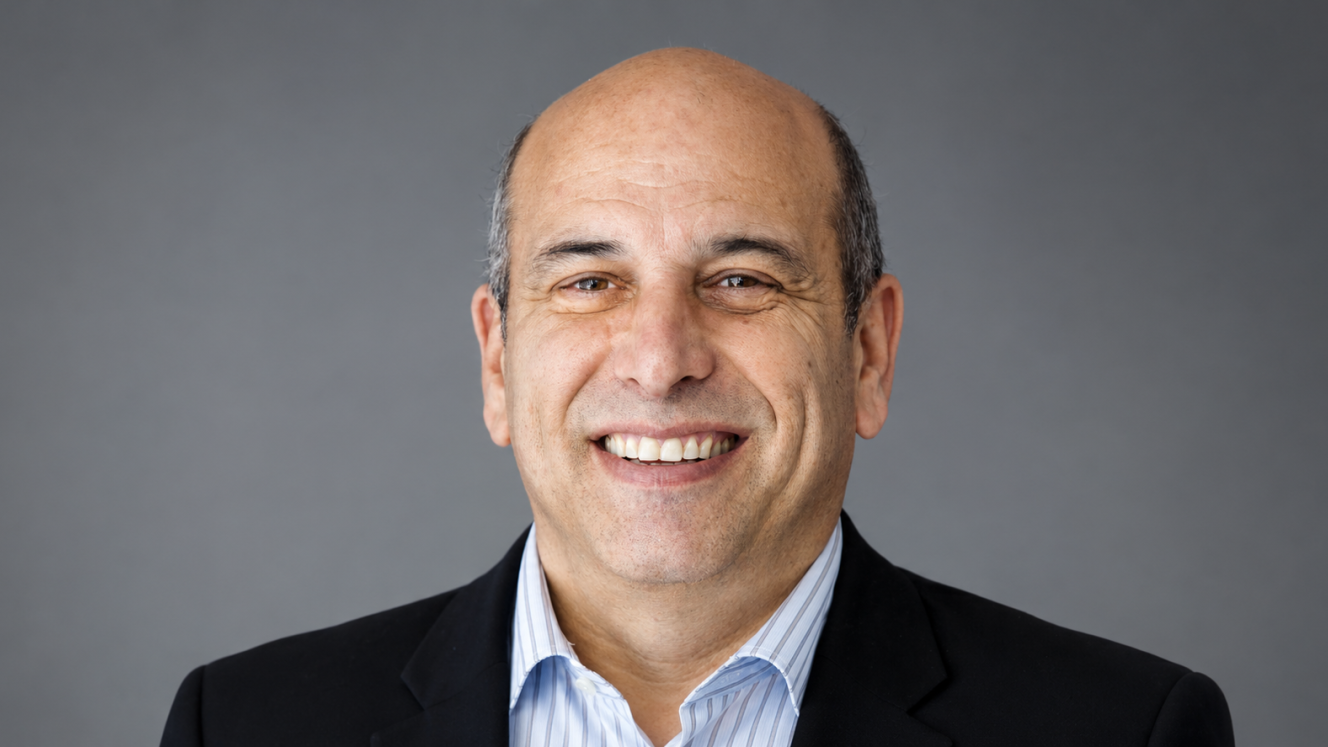
CEO of HAT, Nura-Lisa Karamagi said the meeting aimed to bring women together, from private and public sectors in the tourism industry, where they could discuss and share various experiences about the barriers and challenges women were facing in the industry, as well as ways to overcome them.
Karamagi said: "The forum is meant to show the public that women play a significant role in the growth and development of the tourism sector and are continuously challenging themselves to even greater roles, especially ones that have been traditionally thought to be reserved for men, from aviation to game ranging. Their potential to make a meaningful contribution to the growth of the sector should not be underestimated," reported allAfrica.
The symposium is set to be a curtain-raiser for this year’s annual International Women’s Day, which will be celebrated next month, with the theme ‘Press for Progress’. Seminars at the symposium will therefore discuss the barriers inhibiting women from taking up potential opportunities to advance themselves within the tourism sector, as well as ways Tanzania can advance initiatives being undertaken to alter stereotypes surrounding the role of women in society.
According to Karamagi, 8,2% of men are unemployed in Tanzania compared with 12,3% of unemployed women, and in cities unemployment for women stands at 32%, while for men it is 11%.
Tanzania’s tourism industry is the second-largest service sector, says Karamagi, one that has the potential to further women, even in positions that have traditionally been considered for men.