Africa is entering a critical phase for tourism growth but execution gaps threaten to hold the sector back.
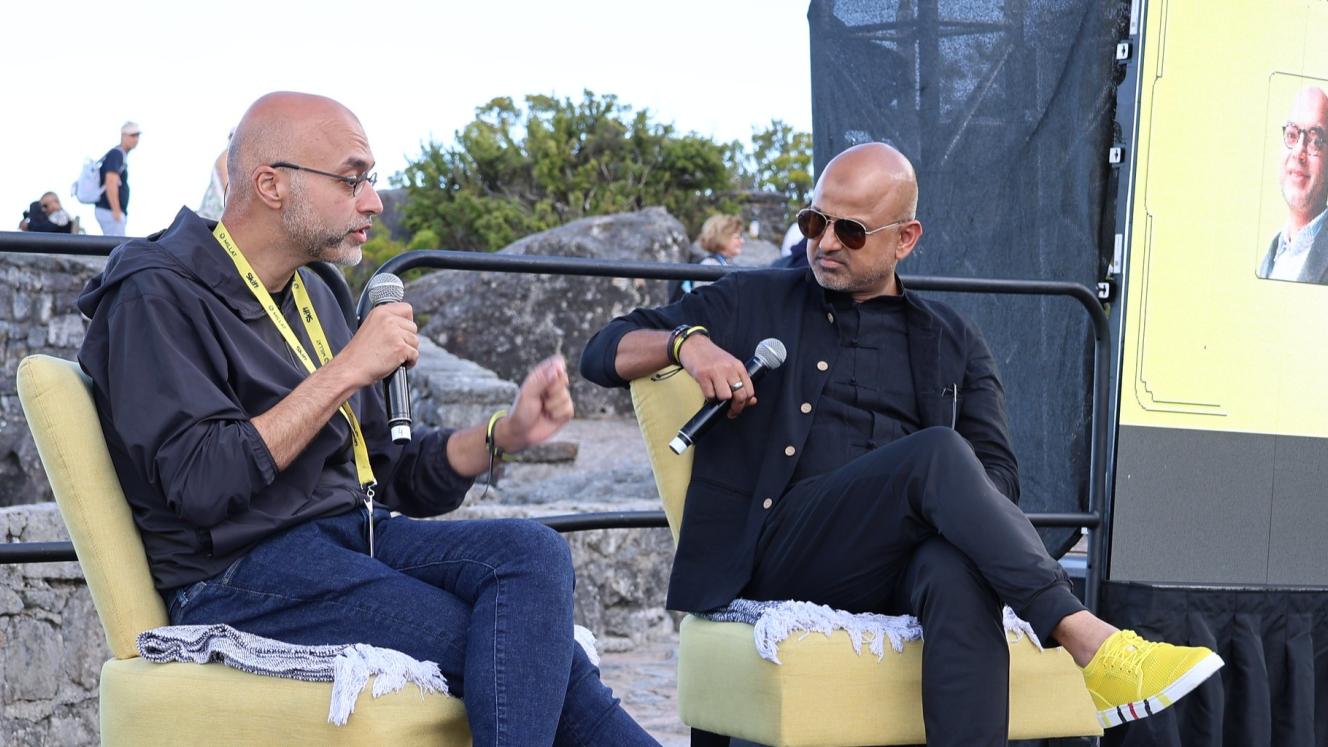
That message emerged from Skift’s first Africa-focused Megatrends event, hosted on Table Mountain on January 27, in partnership with the Millat Group.
Speaking in a discussion with Skift Founder and CEO Rafat Ali, Millat Group CEO Hamza Farooqui said Africa’s tourism constraints are no longer about demand or assets but delivery on the ground.
Service and skills
Farooqui believes service standards are not where they need to be. “That’s a function of training and where the ecosystem is,” he said. “Some of these people come to work from shacks. Some of them work in hotels and restaurants and don’t have access to proper meals. You can’t expect that person to arrive and suddenly deliver customer centricity.”
Current training approaches are failing to address this gap, he added. “You’re not going to train South Africans by putting them behind a computer screen. You train them through role play. You train them when you lead from the front.”
Tourism undervalued
Farooqui said tourism is Africa’s most important employment engine but, he added, it continues to be overlooked in economic policy.
“Tourism is the biggest absorber of jobs,” he said. “Mining reframed this country. Tourism will reframe the next century – but we need the will. Tourism is the biggest sector that can create the impact and this country needs the jobs.”
Air access a major constraint
Limited airlift remains one of the biggest barriers to unlocking tourism growth, Farooqui said. “I don’t think the African carriers are going to solve airlift. Middle East carriers are currently the solution. They are close – six, seven hours out – and they are driving huge engines of growth.”
He pointed to lack of direct air connectivity between South Africa and major source markets, such as India, as an example of missed opportunity. “At two or three million international travellers, South Africa has a huge opportunity,” Farooqui said. “But someone needs to go out and execute. The execution is what’s missing.”