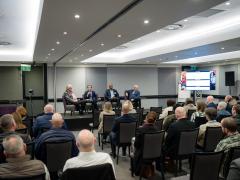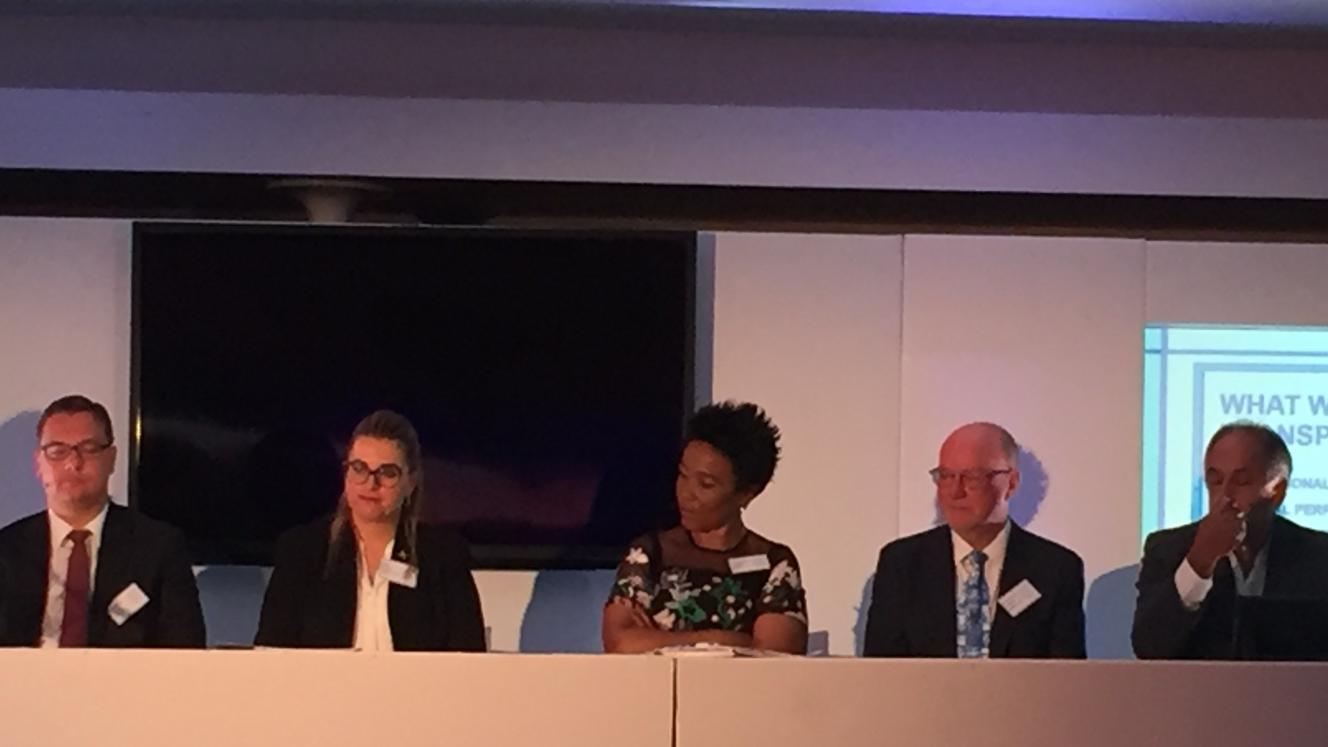
Tourism Update held an exclusive interview with South Africa’s Minister of Tourism, Derek Hanekom, following his maiden speech at the Barsa Aviation Summit 2018 on March 2, to get further insight into his view on some current challenges facing the tourism industry, and his vision for the way forward. Highlights from the address follow.
Q. How does it feel to be back?
A. It really feels good; I love the industry. There’s work to be done and I’m ready to work together with the industry – more than ready – looking forward to working with the industry again to deal with some of the big challenges that confront us and to fully exploit the huge potential that the sector has.
Q. You’ve come at a crucial time, with everything happening and developing.
A. Yes, lots of things happening, lots of opportunity, lots of challenges. But they are not insurmountable – far from it. And if we deal with some of the things that we have to deal with, the potential for growth is huge.
Q. As newly appointed minister, what are your biggest challenges?
A. The challenges, I suppose, are dealing with the things that are not necessarily in your own domain. But I’m confident that we’ll be able to do it. The challenges set out for us are to achieve the growth, and, if possible, to double the numbers targets (as raised by President Cyril Ramaphosa in his State of the Nation address), to increase the numbers of jobs etc. Let me identify two challenges. One is to deal with these, what Ramaphosa called, ‘irregulatory barriers’; get them out of the way, which takes you a long way toward achieving the numbers. And the second big challenge is to ensure that the growth that then will follow is a much more inclusive growth. That opportunities are created for people through that growth, in other words, this big word of ‘transformation’ – meaningful and sustainable transformation. That as many people as possible, especially those who have not historically had these opportunities, are able to benefit from that growth.
Q. Are eVisas on your agenda for the future?
A. They can’t really be on my agenda, because I’m not responsible for visas. But it’s certainly on my agenda to have serious discussions with the Minister of Home Affairs (Malusi Gigaba). We’ve already agreed to, very soon, have a substantial bilateral to talk about not only eVisas, but the whole visa regime and some of the challenges that are still with us around visa issues, including the unabridged birth certificates, the visa difficulties that can be addressed quite quickly; and then with a longer term vision of visas on arrival, eVisas, and modernising the visa regime, if you like. But that’s their challenge. For us to assist them in whatever way to get to a much more effective, efficient visa system, because it’s critical to getting our growth targets. As I said in my address here (Barsa Summit), it’s not only about making your offering good, which it already is, but making it better and marketing it well and, as much as possible, making it easier for people to come to your country.
Two critical parts to that: Visas and airlift.
Q. What are your views on the Cape drought situation, how it’s affecting tourism, and how we’re communicating with the industry?
A. It’s been an eye-opener and a wake-up call. We’ve become much more conscious of looking after our precious and scarce resources – in this case, water. I think the way the tourism sector has dealt with it in Cape Town has been admirable. But it has inevitably had a negative impact on arrivals, on tourism. But I think it’ll pass, and it’ll pass quite soon; but we’ve learned a lot in the process – the Western Cape government, the national government, the City of Cape Town have learned an awful lot. I’m optimistic that the rains will come, and the drought will end. But at the same time, consciousness of the public has been enhanced, and hopefully enhanced forever; and the message for all the players in this game of taking stock of a situation and making sure that you plan in the long term, and that you avoid situations like this. But we’ll get around this quite quickly because Cape Town has also done some things, to an extent, to offset it. And one very big thing that Cape Town has done is the Air Access programme that they have, which has resulted in – if I’m not mistaken – more than 800 000 additional seats, and international arrivals to Cape Town 2017 went up by 20%.
Highlights from Minister Hanekom’s maiden address
Hanekom said President Cyril Ramaphosa’s challenge to the industry to double its tourism growth numbers was achievable, although was not a given. “Some critical things need to happen…we have to remove the regulatory barriers. He (Ramaphosa) didn’t stipulate what these regulatory barriers are, but I think we all know there are two important barriers to the growth of tourism and are matters to be addressed. One would be, obviously, the visa issues – and I want to just say I have already had a good discussion with Minister Gigaba, and we will be tackling the visa issues with vigour. The second thing is getting tourists here, and I think air transport is the other possible barrier, because if you don’t have the air links, then you won’t get people here.”
To address these issues, Hanekom said industry players needed to look at enhancing the marketing of South Africa as a destination, improving the customer experience, and making it easier for tourists to enter the country – which is where visa regulations and air transport came in. Further to that, was catering more effectively for overland transport once tourists stepped off the aircraft.
Safety of tourists was also raised, and Hanekom said a stronger partnership with the Ministry of Police would be fostered.
The decline in tourism from China was a strong concern for government and the Ministry of Tourism. “We need to analyse why the numbers have been declining from China, when in fact the numbers of Chinese travelling is about 350m people outbound from China. That’s massive; now it’s much bigger than the US. But we need to get our share of it, and the question is: why has that share declined rather than improved?”
Hanekom concluded his speech saying that if all these issues were addressed simultaneously and effectively, doubled growth figures could be achieved. However, he cautioned that as quickly as tourism grew when things were done right, it could also decline when things went wrong.