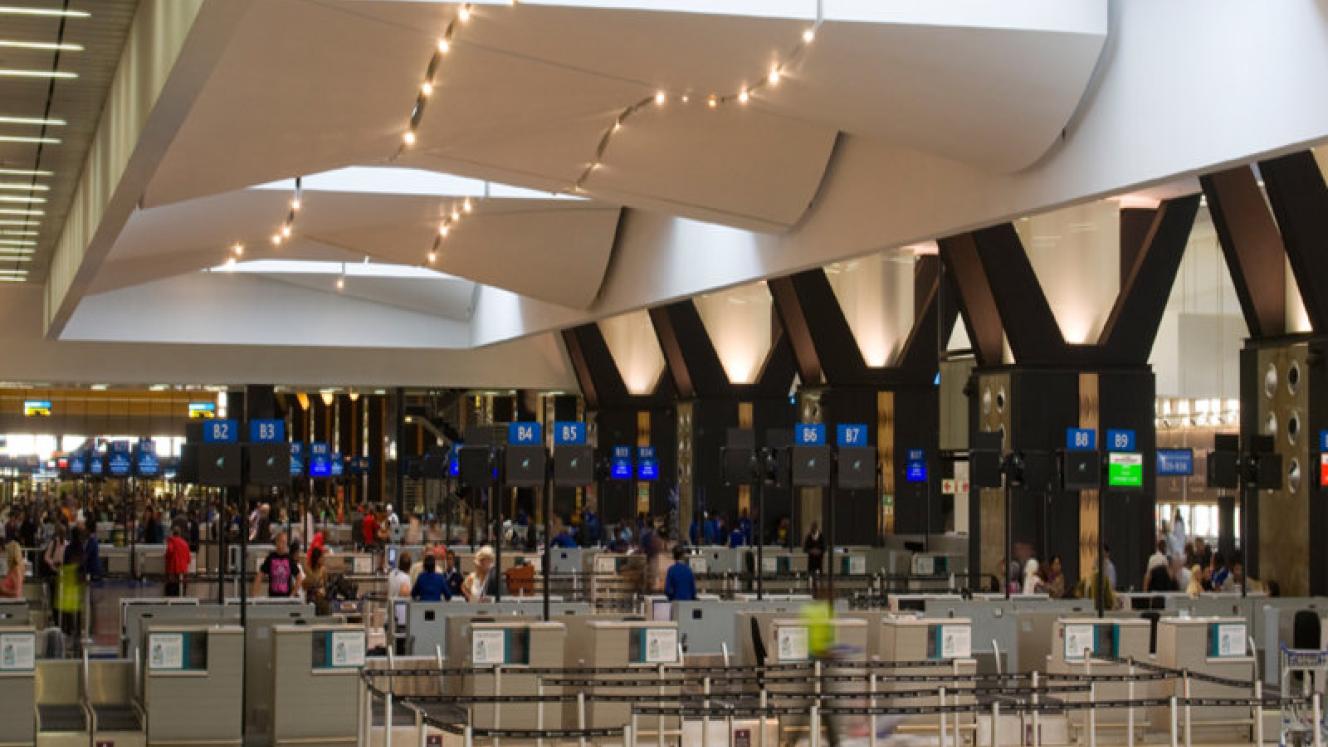
OR Tambo International Airport will see upgrades to its passenger experience infrastructure over the next three years with expanded retail and rest areas, improvements to its ablution facilities, new busing gates at Terminal A and an added mezzanine level.
Ablutions
At the beginning of the year, ACSA CEO at the time, Mpumi Mpofu, on a media tour, revealed ablution upgrades that would take place at the airport. The ablution facilities throughout the airport will be fully renovated with retiled floors, new toilets, sinks and backlit mirrors.
ACSA Spokesperson Ofentse Dijoe, revealed that Phase 1 of the ablution refurbishment programme was 98% complete, with the final ablution facility scheduled for handover this month.
Phase 2 of the project has received capital expenditure approval, the Bid Specification Committee process has been completed and the project is scheduled to go to market by August 14, he added.
Retail and restaurants
ACSA revealed proposed improvements to the airport’s modernisation of its food, beverage and retail offerings across the airport.
Dijoe explained that the retail and restaurant improvements would extend beyond the existing duty-free retail area in Terminal A and include enhancements to the retail and food-and-beverage offerings on the brand-new OR Tambo mezzanine level.
These improvements include:
- A larger restaurant space
- Additional retail and food kiosks adjacent to the restaurant space
- About eight new retail units distributed throughout the circulation area
- An improved circulation space to enhance passenger access to the retail and dining facilities.
“As much as these new retail spaces will incorporate the big brands and franchises, ACSA is encouraging local offerings to apply for these retail spaces, which can be found on ACSA’s website under ‘tenders’,” explained Dijoe.
Terminal A mezzanine
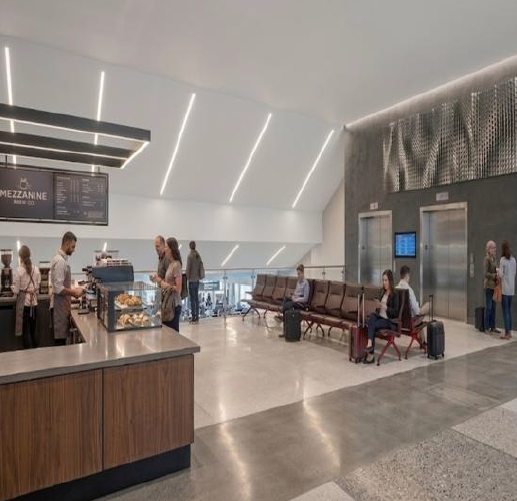
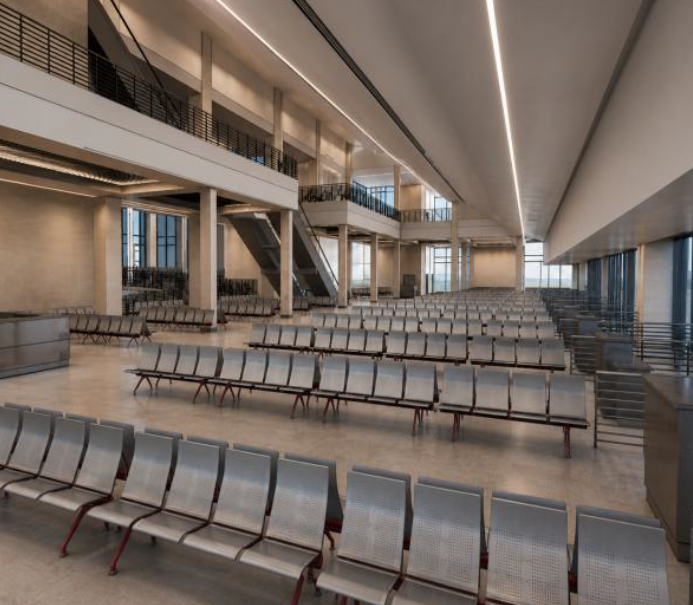
The most exciting of the new developments for the airport is a new mezzanine floor in Terminal A, designed to accommodate additional passenger seating areas and commercial offerings.
The new mezzanine level is scheduled for completion in December 2028.
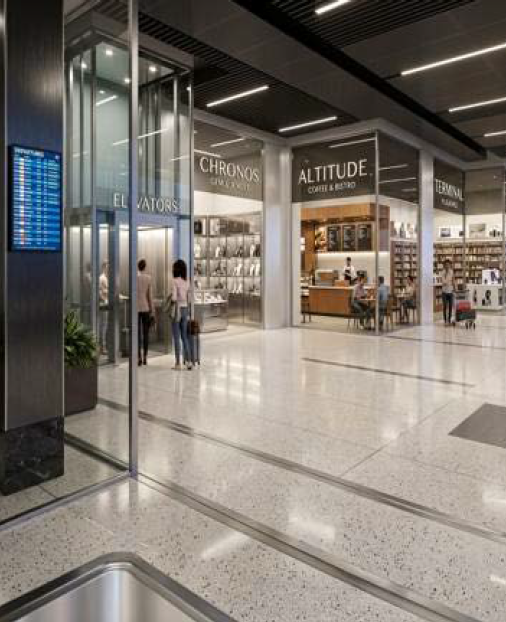
The proposed development plan for the mezzanine floor includes enhanced seating and holding lounge areas within the main passenger circulation space.
“These areas are designed to increase passenger waiting capacity, improve comfort and reduce congestion in the boarding gate environment,” explained Dijoe.
“The seating will be integrated with adjacent retail and food-and-beverage facilities to provide a more functional and convenient passenger experience.”
He revealed that additional charging stations would be incorporated into the new ergonomic seating on the mezzanine floor, for passengers' convenience.
Charging stations will also be incorporated into the seating.
Busing gates
As part of the improvements to be made to Terminal A, ACSA will begin construction of six new busing gates next year.
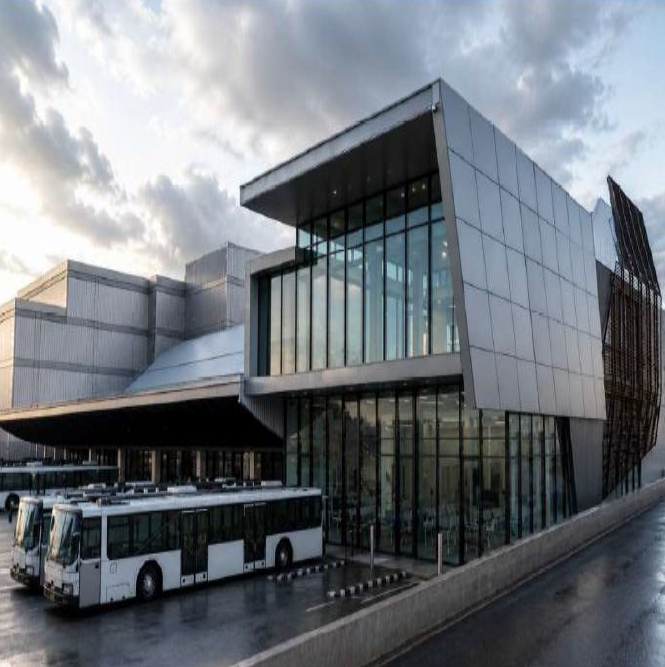
“The design team is progressing with Stage 3 design development, which is scheduled for completion in October 2026. Construction is expected to commence in June 2027, with completion anticipated in August 2029,” said Dijoe, adding that the architectural model for the busing gates and mezzanine in Terminal A have been completed.
Improvement without disruption
Acsa confirmed that while these passenger experience infrastructure projects were under way, operations and passenger movement would not be disrupted.
Dijoe outlined three strategies to minimise disruptions:
- Segregated construction zones: Construction areas will remain physically separated from operational airport areas. The separation strategy will include full-height solid boarding, controlled access points, temporary wayfinding, temporary emergency signage, contractor access control and clearly defined passenger routes.
- Controlled night or off-peak work: Work that may affect passenger movement, safety, service continuity or airport operations will, where required, be scheduled during approved night-time or off-peak working windows.
- Temporary circulation arrangements: Temporary passenger circulation routes will be provided wherever construction activities affect existing passenger movement, queuing, or boarding routes. These routes will be designed and actively managed throughout the duration of the works.