Bisate Lodge, situated on 27 hectares of reforested land near Rwanda’s Volcanoes National Park, will pay homage to nature and offer an immersive gorilla experience.
According to Wilderness Safaris Chief Marketing Officer, Chris Roche, the operator has invested in reforesting the site of the lodge so that guests feel a part of nature during their stay. He pointed out that the growing population had seen the protected Virunga Massif, which lies in the Democratic Republic of the Congo, Rwanda and Uganda, halve in size between 1959 and 1973. By reforesting the site, Roche anticipates that birds and mammals will re-inhabit the land. This also means Bisate will offer guests forest walks and great bird-viewing opportunities.
The Albertine Rift, which extends from the northern end of Lake Albert to the southern end of Lake Tanganyika, and covers parts of Uganda, the DRC, Rwanda, Burundi and Tanzania, is one of the most significant biodiversity hotspots on the continent. It is home to the highest number of threatened and endemic birds and mammals, while 31 of its nearly 300 mammal species and 35 of its 900 bird species are found nowhere else on earth.
“We wanted to create something that wasn’t just a boutique hotel, we wanted to create something that would give you an experience of nature.” Roche added that Wilderness Safaris also wanted to recreate the sense of discovery experienced during the 1970s and 1980s, when discoveries around the Great Apes shed a new perspective on the human race. The operator is also looking to host a resident gorilla expert at the lodge, who will offer evening presentations and informal chats to help guests understand and relive their gorilla encounters.
Roche said the site was chosen for its natural beauty and also because of low agricultural productivity. He explained that the steep slope of the site made it less valuable for agricultural production. It also offers views of the Karisimbi, Bisoke and Mikeno volcanoes.
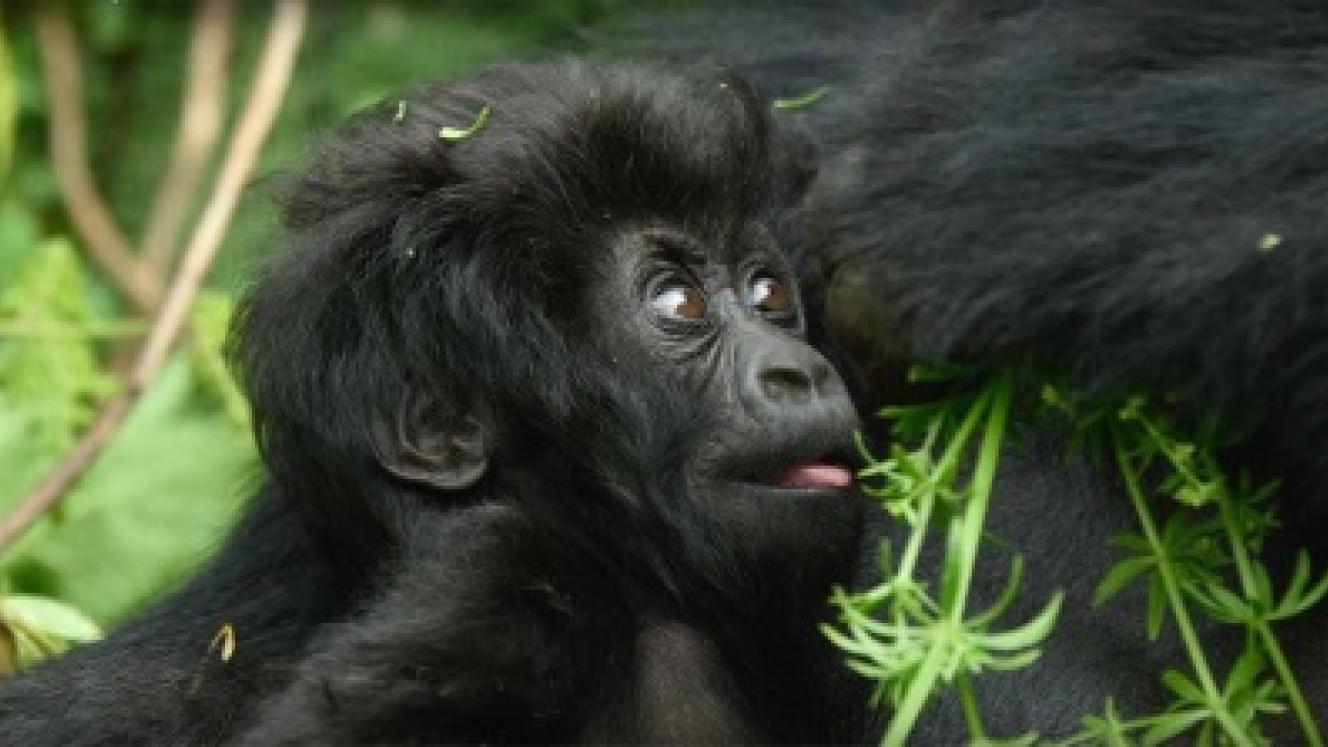
Roche emphasised the value of the eco-tourism model to help protect threatened species. He showed members of the trade how the increase in the gorilla population correlates to an increase in gorilla permits issued to tourists. The gorilla population halved from the roughly 450 specimens estimated to inhabit the Virunga Massif in the 1960s to only roughly 250 in the 1970s and 80s. Today, the population in the area is estimated at about 880 and is expected to soon exceed 1 000.
In terms of permits issued, the largest markets for the gorilla experience are the US, Germany, England and Australia.
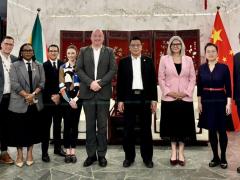
Rwanda's High Commissioner to South Africa, Vincent Karega, said the country welcomed Wilderness Safaris’ investment in the country, particularly because of the company’s partnership with locals and because it believes it will broaden Pan African tourism networks on the continent. He added that he was impressed with the high standards, consistency and uniqueness of the Wilderness products.
Roche also highlighted the aim of broadening Pan African tourism networks, adding that improved connectivity between East and Southern Africa meant that the gorilla experience could be packaged with a safari experience in Southern Africa.
Jacqui Sebageni, MD of Thousand Hills Africa, the local DMC and Wilderness Safaris’ partner who will take care of all sales, also urged the trade to book their clients for longer stays in Rwanda, packaging more than just the gorilla experience. Rwanda is not just a destination, it is a story: a story of hope,” she said. “Don’t have your people rush in and rush out.”
Bisate Lodge will comprise six forest villas with views across a private deck towards Mount Bisoke, each offering a bedroom, reception space and bathroom as well as a central fireplace. The lodge’s design was inspired by the Royal Palace of the Rwandan monarchy, with traditional prints and Rwandan textiles used in the interiors.