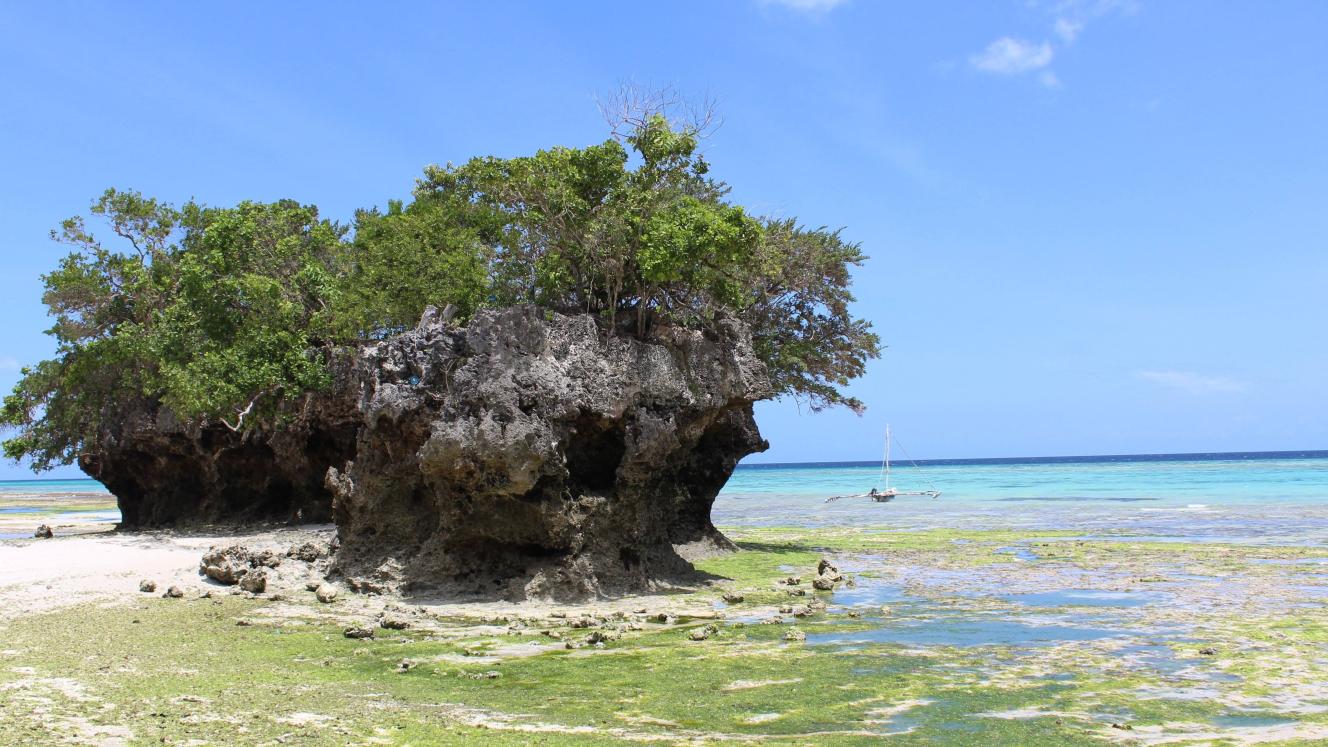
Zanzibar authorities have stopped issuing new land leases in Pemba Island, while destination planning frameworks are finalised, in an effort to avoid repeating development pressures experienced on Unguja Island, the archipelago’s main tourism island. Pemba remains far less developed for tourism than Unguja where most of Zanzibar’s visitor infrastructure is concentrated.
Speaking at the recent Africa Tourism Investment Conference alongside WTM Africa in Cape Town, Hafsa Hassan Mbamba, Tourism Delivery Manager at the Zanzibar Presidential Delivery Bureau, said the decision to halt new leases is part of a move towards more deliberate tourism planning as Zanzibar enters what she described as “a more mature phase of destination development”.
She added: “Lessons learned from Unguja show the importance of better planning to the point where the government has stopped issuing new land leases in Pemba to ensure we are planning from the outset. We don’t want Pemba to be a replica of Unguja.”
Lessons from Unguja
Mbamba said tourism development on Unguja has expanded quickly and, in some cases, without supporting infrastructure and spatial planning from the outset.
“From the outside, it looks like we have perhaps overtourism but it’s only concentrated in specific areas.”
She said one of the key lessons from Unguja is the importance of ensuring land-use planning and community engagement takes place before large-scale tourism expansion accelerates.
In some cases, local residents sold land to investors and relocated away from traditional settlements as tourism activity increased, Mbamba added.
“Once that happened, the clashes started.”
Authorities are now seeking to avoid repeating those dynamics in Pemba by sequencing planning, infrastructure rollout and investment more carefully.
“This includes community engagement as well,” said Mbamba. “That’s the heart and the soul of the destination.”
Coordinating investment and infrastructure
Mbamba said the Presidential Delivery Bureau was established in part to improve coordination between agencies responsible for tourism development and investment planning.
“One of my key roles is to ensure that all the stakeholders essentially sing the same song,” she said.
This includes aligning land allocation decisions with infrastructure rollout and national planning frameworks.
“We currently have Pemba Airport being developed but, simultaneously, we also have supporting infrastructure that’s also going to support the industry, which we did not do or it didn’t align when Unguja was being developed.”
She said this sequencing approach is intended to ensure Pemba develops as a complementary destination rather than repeating the same spatial development pressures experienced elsewhere in the archipelago. “If we are able to do it right, we will actually be able to have two destinations in one.”
Shift from bed numbers to value
Mbamba said Zanzibar’s investment strategy is also shifting away from a traditional focus on increasing accommodation capacity towards strengthening tourism’s overall value contribution.
“We try to move away from investments that focus just on number of hotel beds or hotel rooms and more on the value or the impact that industry brings to the communities.”
Tourism currently contributes about 30% of Zanzibar’s GDP and remains the archipelago’s leading source of employment across the value chain.
“If we were to compare to any other sectors, we wouldn’t survive without tourism, to be very frank.”
Mbamba said this dependence makes it essential that future investment supports community benefit and long-term destination sustainability.
Diversifying beyond beach tourism
Zanzibar is also working to diversify its tourism positioning beyond its traditional “sun and sea” identity as part of efforts to encourage longer stays and broader visitor engagement.
Mbamba said government is increasingly supporting the development of heritage tourism, sports tourism and the meetings and events sector as part of this strategy.
“We’d like people to stay longer and not come just to tick a box that they’ve been to a beach destination.”