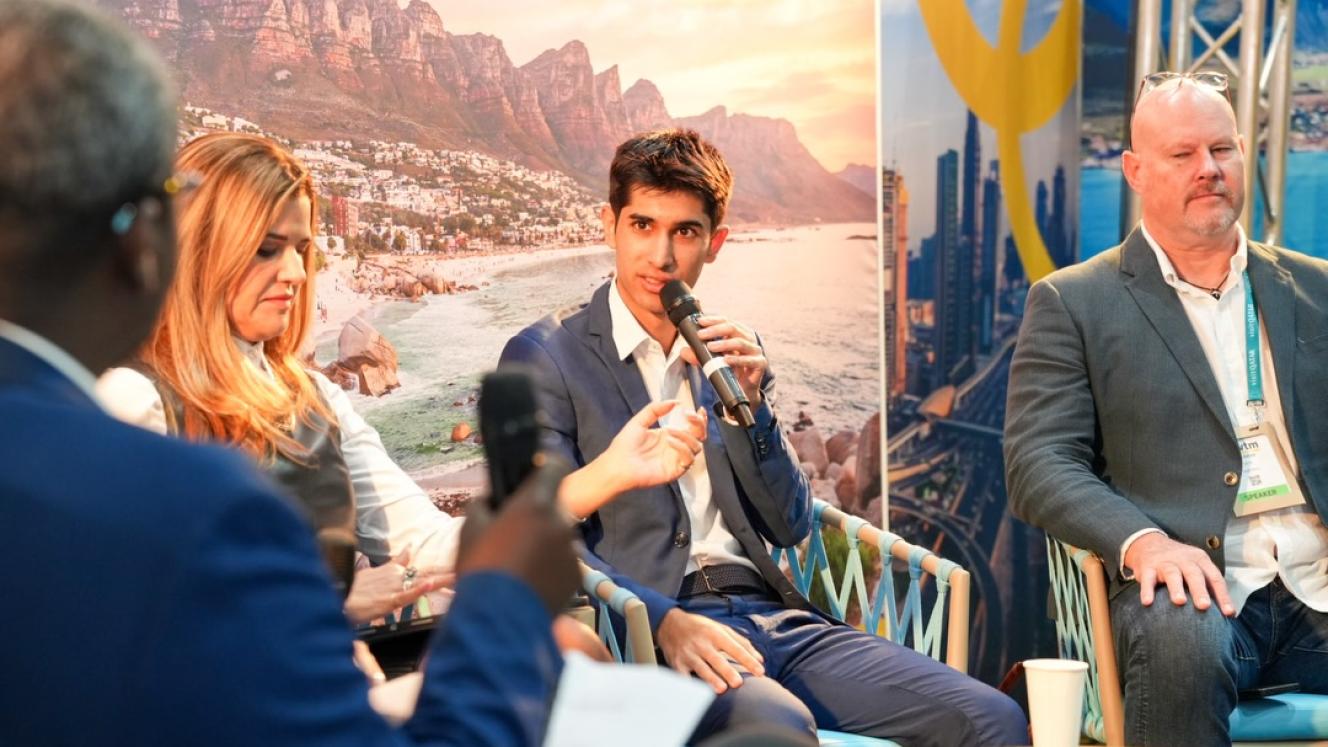
Gen Zs see themselves as consumers of tourism rather than providers, which is beginning to affect the industry’s workforce pipeline with a concerning lack of new entrants. This was the view of participants in the WTM Africa “Skills for 2030 – the tourism jobs that don’t exist yet but should” panel discussion.
Genlink Founder Marko Stavrou described what he called a “Peter Pan paradox” emerging among younger workers. “28 is the new 18,” he said.
According to Stavrou, many young adults are remaining financially dependent on their families for longer and showing less appetite for early career responsibility, adding that 42% of Gen Z still live with their parents.
“Young people want to be on the receiving side of tourism but don’t want to be on the other side of that,” he said.
The trend comes as parts of the tourism sector are already reporting ageing workforces and increasing difficulty attracting younger entrants into operational roles, particularly in hospitality and the safari lodge sector.
Rob Hetem, Director: Strategic Development at T-Cubed Consulting, said this demographic shift is becoming increasingly visible across the sector.
“We have an ageing population in tourism,” he said, adding that future workforce strategies need to focus more strongly on entrepreneurship and technology integration rather than traditional employment pathways.
“What I’ve seen over the past 10 years is a very different approach to how we capacitate industry now working with young entrepreneurs rather than only employees.”
The role of universities
Leeanne Singer, Chairperson of Fedhasa, said the sector has relied too heavily on traditional hospitality training pipelines, in the form of dedicated hospitality schools, and should rather broaden their scope.
“For years I’ve been beating the drum that we have to look at mainstream universities to supply the talent to the hospitality and tourism industry,” she said.
“We need to create positions that attract the average BCom student or law graduate.”
Singer said this shift is essential if tourism hopes to compete with other sectors for skilled graduates.
“We have a massive unemployment problem in our country and, even worse than that, we have a skills shortage. It’s up to us as entrepreneurs and industry leaders to build that bridge.”
Seeking community
Stavrou said the same behavioural shifts affecting the tourism workforce are also influencing travel demand patterns.
“Gen Z are the loneliest generation. They’re craving community and experiences,” he said. “Solo travelling has gone through the roof because they don’t have community to travel with.”
People are spending about 7.5 hours a day on their phones, Stavrou pointed out, noting that travellers are increasingly seeking real-world connection through shared travel experiences.