With geopolitical tensions in the Middle East continuing to impact global travel and aviation networks, Africa’s business events sector is already feeling the effects but is also identifying new opportunities.
Insights from Alex Wrottesley, MD of Business Events at Into Africa and Board Member of SITE Africa and SAACI, and Glenton De Kock, CEO of SAACI, point to a shifting MICE landscape shaped by disruption in air access, rising costs and changing buyer behaviour.
According to Wrottesley, the impact is already visible across the industry.
“We are seeing cancellations, postponements and reduced attendance, largely driven by flight disruptions and rising costs,” she told Tourism Update.
This is supported by SITE Africa insights, which show a measurable slowdown in meeting activity.
De Kock says these pressures are beginning to influence planning cycles. “What we are seeing is not a decline in demand but a constraint in access. Connectivity and cost are now critical factors shaping how and when events are confirmed,” he says.
Escalating airfares and fuel costs are adding further strain. Across the sector, tighter budgets are already translating into smaller events, shorter durations and more cautious commitments. SITE Africa highlights fuel price volatility and constrained aviation supply as key drivers.
“This environment is forcing more deliberate decision-making. Clients are prioritising value, certainty and return on investment more than ever before,” adds De Kock.
Opportunity amid disruption
However, there are early indications that Africa, and Southern Africa in particular, may benefit from redirected demand.
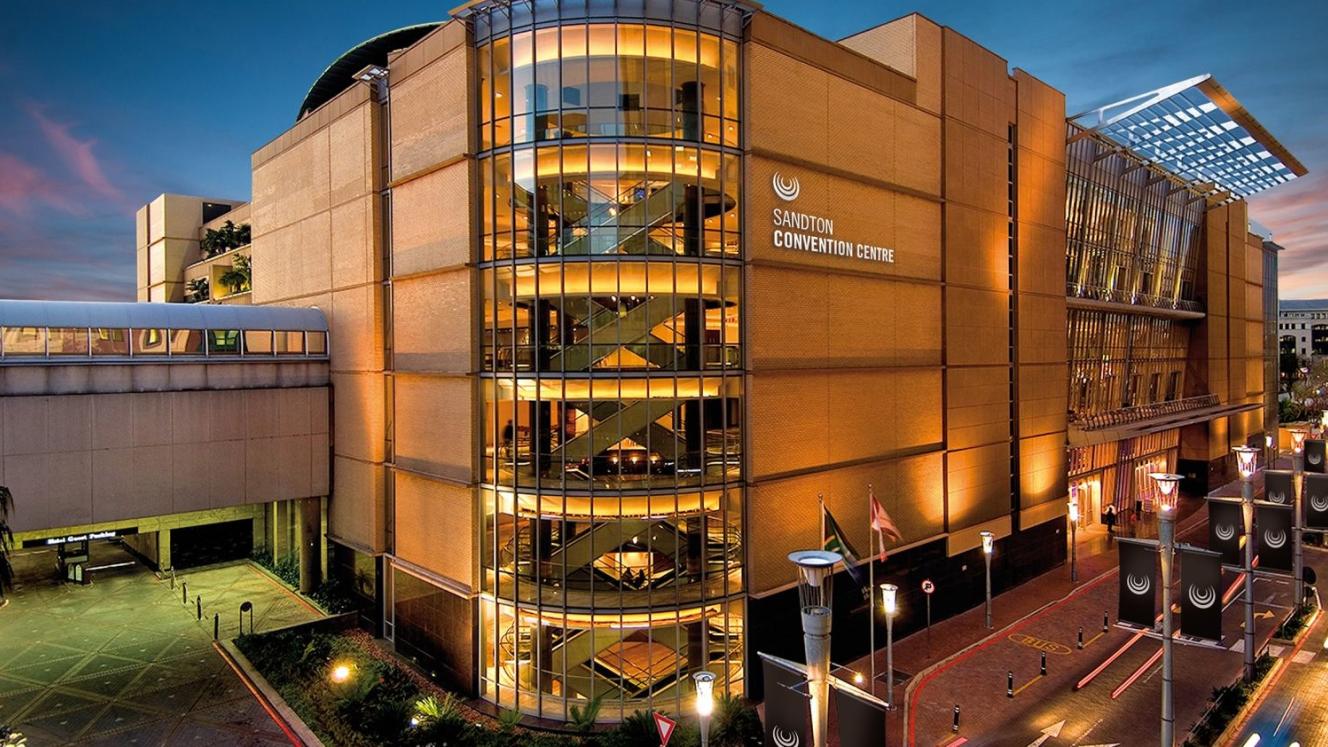
SITE Africa points to growing evidence of international programmes shifting away from Gulf destinations with South Africa increasingly viewed as a viable alternative. South Africa is already capturing some of the events originally scheduled for the Middle East with this year’s Africa Energy Forum in June relocating from Dubai to Cape Town due to security concerns.
“We are seeing movement to Southern Africa, driven by practical considerations, the availability of alternative flight routing and improved access rather than a shift in perception of safety alone,” says Wrottesley.
De Kock believes this presents a strategic opportunity. “South Africa is well-positioned as a globally competitive destination. The shift we are seeing is less about perception and more about practicality, ease of access, infrastructure readiness and the ability to deliver at scale.”
To capture more of this displaced demand, SITE Africa and SAACI emphasise the importance of agility and strategic positioning. Wrottesley highlights the need to promote alternative airline access into South Africa, including Ethiopian Airlines and Turkish Airlines. Diversifying air connectivity beyond traditional hubs will be critical, adds SITE Africa.
For De Kock, responsiveness will define success. “The ability to respond quickly, package compelling value propositions and collaborate across the region will determine how effectively we convert opportunity into confirmed business,” he says.
If the current disruption persists, structural shifts in the global MICE landscape are likely. Wrottesley anticipates a move towards smaller events, driven by cost pressures and limited capacity. SITE Africa suggests broader changes in routing patterns and reduced reliance on traditional transit hubs.
“We are likely to see a more regionalised approach to events. Destinations that can offer accessibility, affordability and reliability will have a competitive advantage,” says De Kock.
“Africa has the opportunity to reposition itself not just as an alternative but as a primary destination for global business events. The focus now must be on collective action, speed to market and delivering consistent, high-quality experiences.”