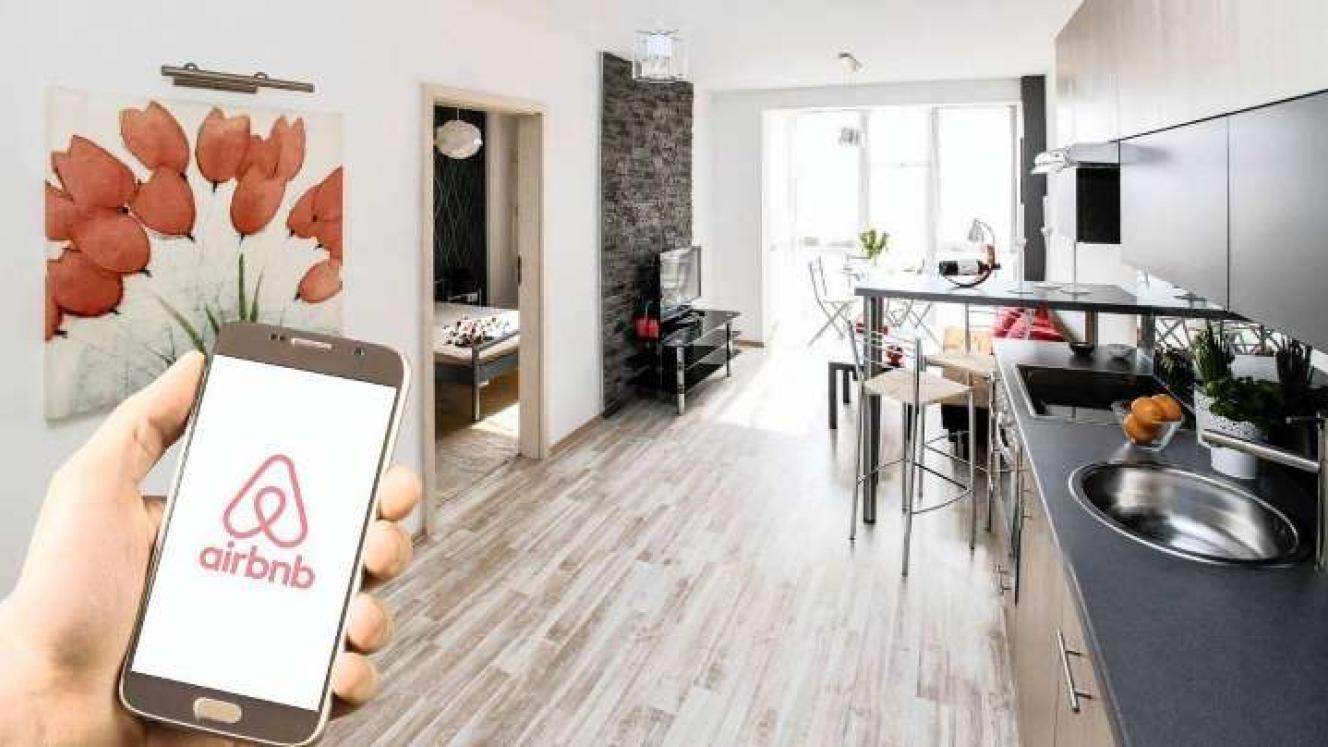
According to new survey findings and an analysis of internal data released recently, Airbnb’s host and guest community generated over US$100 billion in estimated direct economic impact across 30 countries in 2018 alone.
During that same year, the estimated direct economic impact of Airbnb in South Africa was more than $685 million – or over R9.7 billion.
“Travel on Airbnb is helping to spread tourism benefits to more families, communities and local businesses," says Velma Corcoran, Airbnb Country Manager for Sub-Saharan Africa. "It's never been easier to travel to and stay in South Africa's smaller towns. Visitors are discovering local hospitality and hidden gems that they might otherwise have missed, while supporting new economies and revenue streams that help make local communities stronger.”
Locally, there has been a significant increase in host earnings on Airbnb in smaller towns. Mossel Bay, for example, saw a year-on-year increase of over 80%, while Saldanha Bay in the Cape saw an increase of almost 60% over the same period. Host earnings in Garden Route towns such as Knysna, Plettenberg Bay and George increased by 48%, 58% and 74%, respectively.
Airbnb’s estimated direct economic impact is based on the sum of host earnings and estimated guest spending. Host earnings are based on internal Airbnb data. Estimated guest spending is based on nearly 12 000 responses to a voluntary survey sent to a sample of guests on Airbnb accounts that had taken a trip to those countries in 2018.
The top five countries where Airbnb had the greatest direct economic impact, according to the company’s own data, are: USA ($33.8bn); France ($10.8bn); Spain ($6.9bn); Italy ($6.4bn) and the UK ($5.6bn). Out of 30 countries listed by Airbnb in its direct economic impact report, South Africa came in 22nd.