Luxury safari operators are increasingly using itineraries hosted by celebrities or high-profile personalities to attract travellers seeking deeper engagement at destinations with culinary, conservation, photography and cultural experiences.
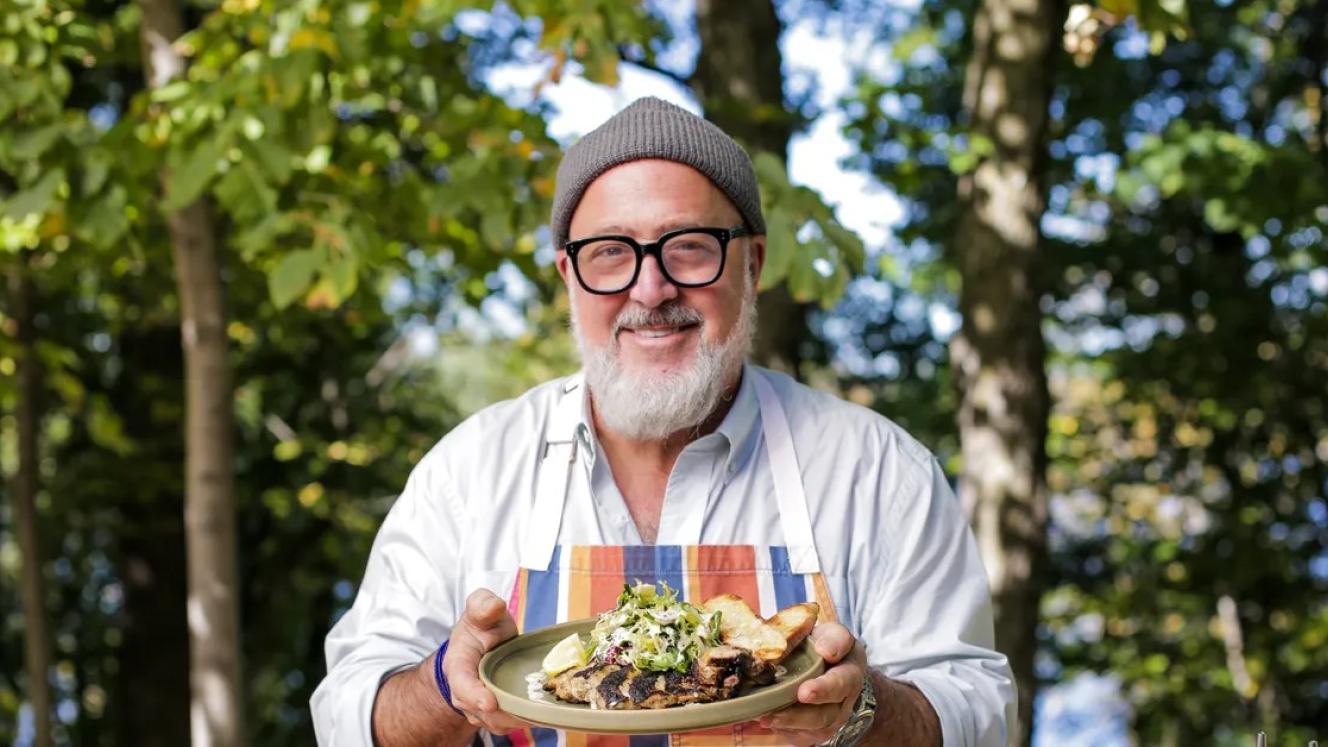
Ker & Downey Africa recently announced a culinary safari, hosted by celebrity chef Andrew Zimmern, through Cape Town, the Cape Winelands and the Greater Kruger.
Sarah Morris, GM of Private Clients at Ker & Downey Africa, said the response to the itinerary highlights changing traveller expectations. She said the strongest interest is from affluent, well-travelled and solo travellers looking to make meaningful investments in their time as well as multi-generational families seeking something beyond a traditional safari.
“What resonated most was not simply the opportunity to travel with Andrew but the chance to experience South Africa through food, wine, wildlife and culture in a way that would be difficult to replicate independently,” she said.
“Social media has also accelerated demand for unique, shareable experiences led by credible experts rather than standardised tours.”
Specialist knowledge drives value
While celebrity appeal can attract attention, Morris said the long-term value of specialist-hosted itineraries lies in guests’ access to experts during the journey.
“While a recognised name may initially attract interest, the real value lies in the expertise, perspective and credibility that specialist hosts bring.”
Experts provide context, storytelling and insight that help travellers engage more deeply with a destination, said Morris.
From an operator perspective, specialist-led journeys also provide an important point of differentiation, she added.
“This allows brands to create experiences that stand apart in an increasingly competitive luxury travel market.”
Creating the market
However, Deborah Calmeyer, Founder and CEO of ROAR Africa, said specialist-led itineraries are driven by operators creating and positioning them, not necessarily consumer demand.
“We’re not asked to provide specialist journeys. We design and position them and then spend massively on marketing them. Sometimes they lift, sometimes they don’t,” she explained.
“I don’t think there’s any general trend for these kinds of experiences. I think people don’t know what they want. If you come up with a genius idea and you are able to position it, then they might.”
Only certain highly curated experiences gain traction and success is unpredictable unless backed by significant investment and clear vision, added Calmeyer.
“It’s not just like a whim activity. It takes a lot of time, consideration and marketing spend to understand whether something will land.”
According to Calmeyer, the process extends far beyond adding a specialist host to a conventional safari programme.
“You’ve really got to think about what you are trying to offer and what makes the experience bespoke.”
Calmeyer said ROAR Africa’s most successful recurring initiative, its Women’s Empowerment Retreat, works because of sustained positioning and strong thematic clarity rather than organic demand.
“That trip always sells out. I always have a waiting list.”
Its success is linked to the type of traveller it attracts, particularly women travelling solo in structured, curated groups, Calmeyer said.
“They want to meet other people and they’re interested in finding out what other women are doing.”
Calmeyer also pointed to the content value of such journeys, noting that access to female leaders in conservation, aviation and community development is a key differentiator.
She said the broader industry often underestimates the effort required to design such experiences.
“The amount of work, from scouting locations to designing itineraries, is a big investment by the person who’s organising the trip.”
Demand expected to grow
Despite differing views on what drives demand, both operators expect expertise to play an increasingly important role in luxury travel.
“Travellers are increasingly seeking experiences that feel distinctive, personal and difficult to replicate independently,” said Morris.
Expert-led travel will continue to grow, provided operators maintain authenticity, she added.
Calmeyer also expects demand for specialist knowledge to increase as travellers become more informed and selective.
“The most sophisticated travellers today are no longer satisfied by access alone. The internet can tell you where to go. Money can open a door. What remains rare is interpretation – the judgement to know not only where you are but what you are seeing and why it matters and, most importantly, who is showing it to you. Across the industry, the consumer is not just booking through anyone who sells an ‘experience’; they want the expert.”