Fair Trade Tourism (FTT) is to release its Captive Wildlife Guidelines on July 2, to assist the travel industry to make informed decisions about which captive wildlife facilities to support and which to avoid.
The guidelines, developed as an extension of FTT’s certification criteria, which were adapted in 2016 to address issues around voluntourism and captive wildlife sectors, will differentiate between various types of captive wildlife facilities, discuss issues around specific animals in captivity, provide examples of best practice, and make recommendations on activities to avoid.
Based on FTT’s four pillars, namely animal welfare, conservation, visitor safety and transparency, the guidelines include a suggested questionnaire that tour operators can use to assess captive facilities.
According to Jane Edge, Managing Director of FTT, risks to human safety, animal welfare concerns and confusion over conservation benefits had created a critical need for guidelines. “Issues around captive wildlife are in the global spotlight and many tour operators are confused about what constitutes good, acceptable and bad practice,” comments Edge, adding: “The private ownership of wildlife in South Africa in particular, has led to different permutations of wildlife management that are complex and sometimes opaque.”
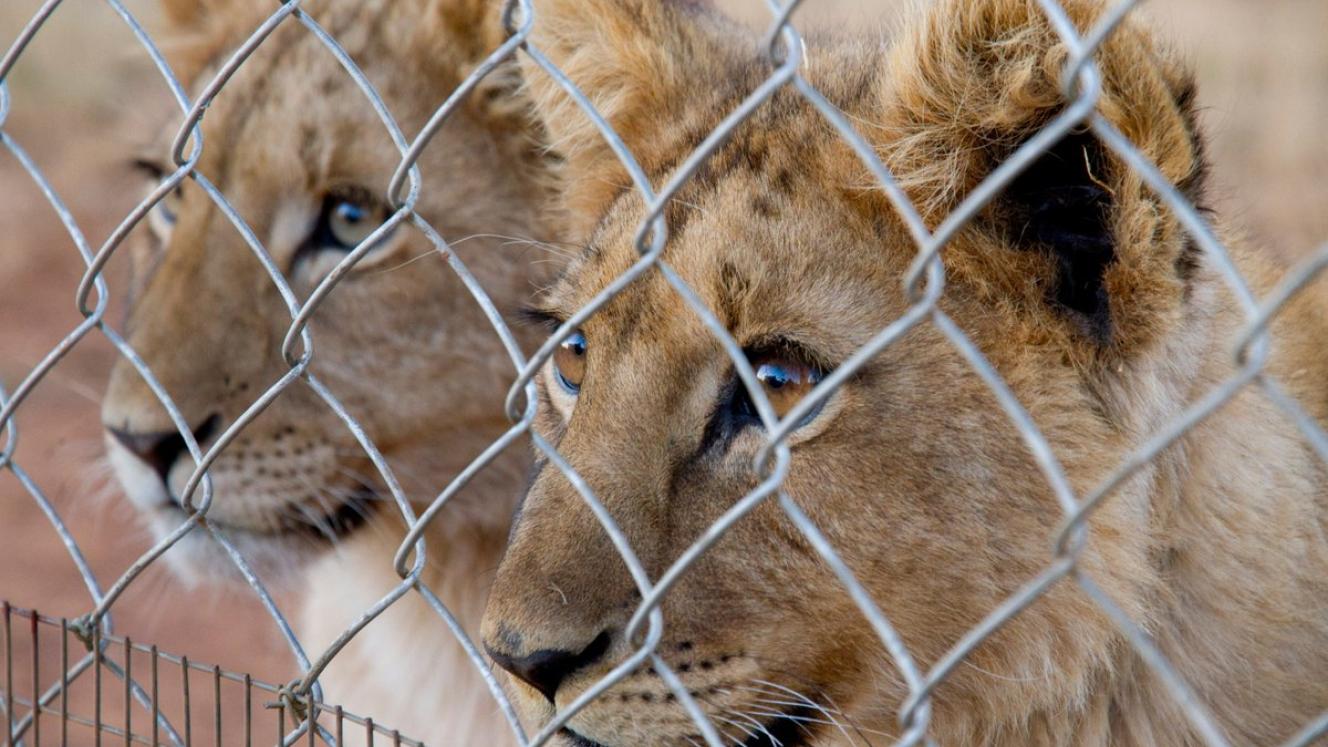
With hundreds of captive or semi-captive wildlife experiences currently on offer in southern Africa, the incidence of death and injury was likely to remain high without adequate safety precautions in place, says Edge. “In the last three months alone in South Africa, a woman was killed by a captive lion, a lion-park owner was badly mauled by his own lion, and a photographer was killed by a habituated giraffe. Animal abuse and negative impacts on wildlife conservation are also of huge concern – this is not helped by the legality of practices such as canned lion hunting and the lion bone trade,” she says.
According to Edge, FTT had consulted more than 50 organisations, informing itself about the complex interplay between conservation, education, research and animal welfare in the captive wildlife sector. “In order to ensure that our guidelines align with global good practice, we have taken much of our steer from the ABTA (the UK’s largest travel association) Animal Welfare Guidelines while adapting these to the specifics of the southern African environment. We believe we are well placed to offer considered guidance to the market-place on some very thorny issues,” says Edge.
Organisations wanting to comment on the draft guidelines can contact Edge at jedge@iafrica.com before June 15. Travel industry members interested in obtaining the final guidelines or for a presentation from Fair Trade Tourism can contact FTT’s Marketing Manager, Shona Macdonald at shona@fairtrade.travel.