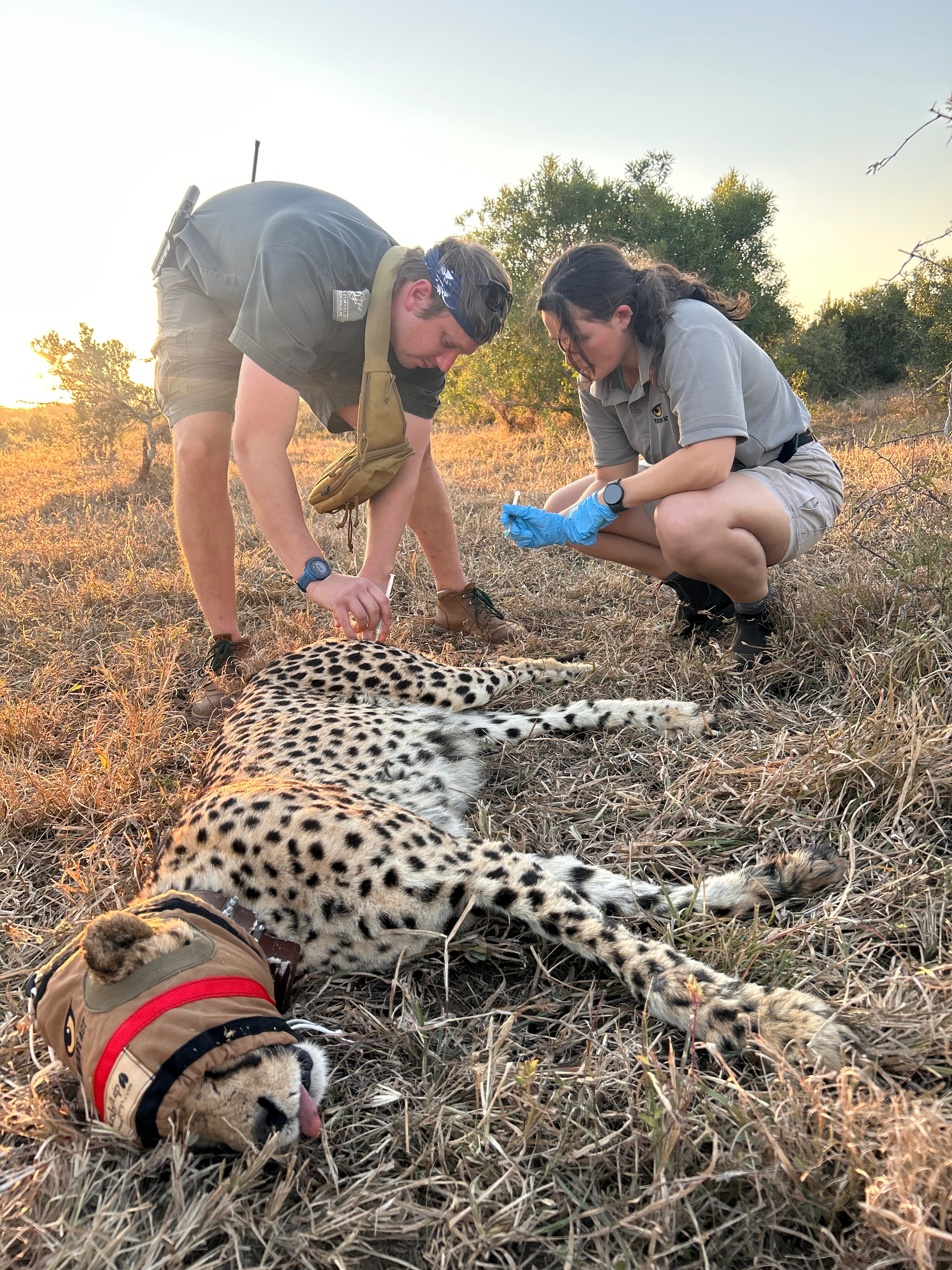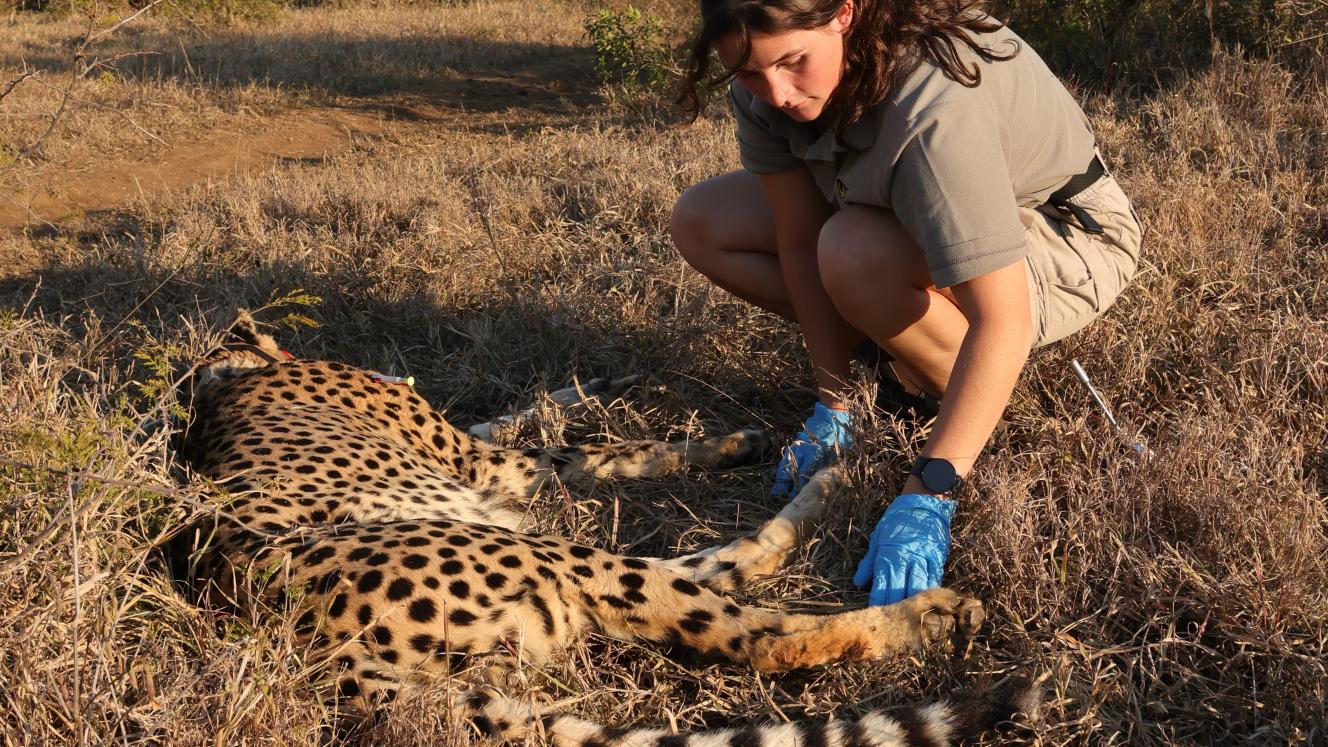
Five cheetahs have been fitted with tracking collars during a large-scale conservation operation in Hluhluwe-iMfolozi Park (HiP) as Wildlife ACT, Ezemvelo KZN Wildlife and Forever Wild Foundation continue efforts to monitor one of the most important cheetah populations in KwaZulu-Natal (KZN).
The operation, carried out in late July, brings the total number of collars deployed in the park since the end of 2025 to eight.
As HiP’s cheetah population continues to grow, breeding females, young dispersing animals and individuals identified as potential candidates for future relocation are prioritised for collaring.
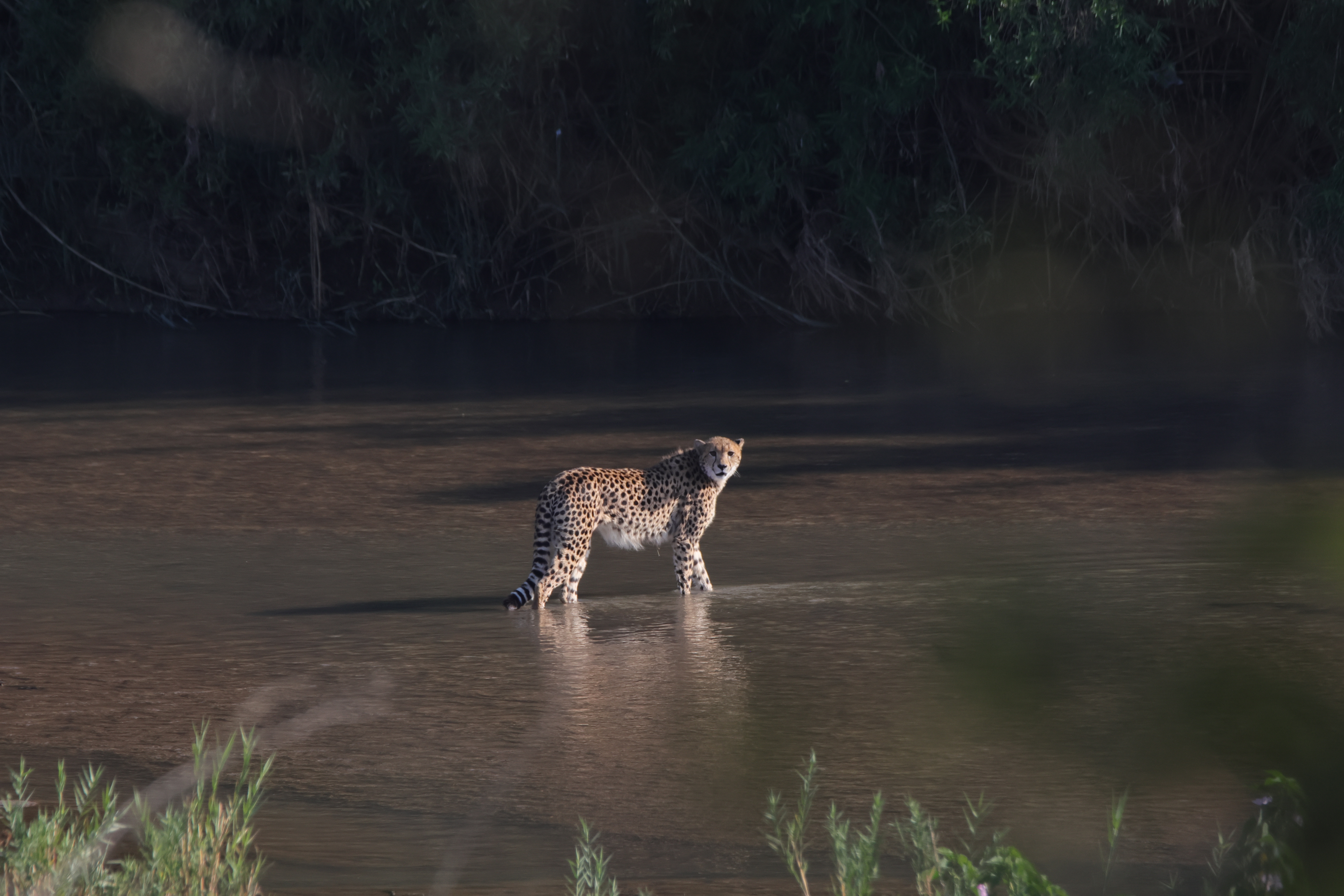
According to Wildlife ACT, collaring is central to managing vulnerable cheetah populations, helping conservationists monitor how the animals use the landscape while supporting long-term conservation planning. Less than 7 500 cheetahs are estimated to remain in the wild globally with fewer than 1 000 in South Africa.
“Every collar we fit gives our teams and partners a clearer picture of how these cheetahs are using the landscape and how the population is changing over time. That long-term understanding is what allows us to plan effectively for this population’s future and to ensure it continues to play its part in the survival of the species across South Africa,” said Chris du Toit, Wildlife ACT’s Wild Dog and Cheetah Conservation Programme Manager.
The operation included the collection of genetic samples from the collared cheetahs to assess the genetic health of the population and inform future management decisions. Wildlife ACT said this is particularly important as limited genetic diversity remains one of the greatest threats to the long-term survival of the species.