Tourism development in Kenya’s Maasai Mara National Reserve is facing increased scrutiny following legal challenges seeking to halt or restrict the construction and expansion of accommodation facilities in the reserve.
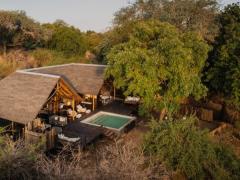
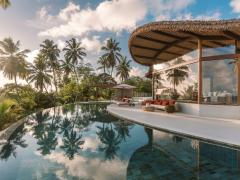
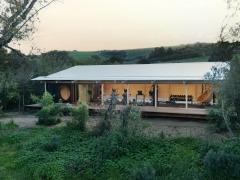
In one of the latest cases, a coalition of regional and environmental organisations has approached Kenya’s Environment and Land Court seeking restrictions on further accommodation development in the reserve. The petition also challenges developments including the Ritz-Carlton Maasai Mara Safari Camp, Sala’s Camp and Elewana Sand River Masai Mara. The allegations are being contested and have not been determined by the court.
Development controls
The cases have renewed debate about tourism development and management of the reserve, particularly around the Mara River and other environmentally sensitive areas.
James Duder of Wild Orchid African Safaris, says one of the greatest areas of concern is construction along the Mara River where reinforced river banks, designed to protect buildings, may unintentionally obstruct wildlife.
“When developers reinforce the river banks, wildebeest, zebra and topi can no longer climb out during river crossings,” he says.
Community conservancies have played an important role in protecting land surrounding the reserve from subdivision, agriculture and property development, Duder points out. There are now about 24 conservancies around the Mara although he estimates that only around 15 are financially sustainable.
“For many Maasai communities, conservancies are the only way to keep their land intact and prevent it from being fragmented,” Duder says.
He warns that overcrowding and poorly managed development could ultimately affect the Maasai Mara’s appeal to international travellers.
“There will eventually be a tipping point. The brand of the Mara will be damaged and I think it’s already very damaged in the international market.”
Planning failures
Judy Kepher-Gona, Founder and Executive Director of the Sustainable Travel and Tourism Agenda, says the current debate extends beyond individual developments to broader failures in planning and governance.
She argues that approvals for developments in fragile ecosystems, particularly along rivers, have often been granted without adequate site inspections or consideration of environmental impacts.
“The carrying capacity of the Mara ecosystem in terms of lodge developments, beds and bed nights has never been established,” Kepher-Gona says.
If the Maasai Mara Management Plan had been consistently enforced, many existing camps and lodges would never have been allowed to operate in their current locations, she adds.
“Mara must look back and correct past mistakes by reviewing the location of camps and lodges, defining bed density and establishing the ecosystem’s carrying capacity.”
Kepher-Gona also questions how tourism revenues have been reinvested into the reserve. “How can the Seventh Wonder of the World operate with makeshift bridges that are washed away every rainy season?”
Apart from the Narok-Sekenani road, she says, little has changed in terms of infrastructure despite the substantial revenue generated by tourism.
“Profiting from nature and wildlife without reinvesting in the destination is equal to abusing that natural heritage.”