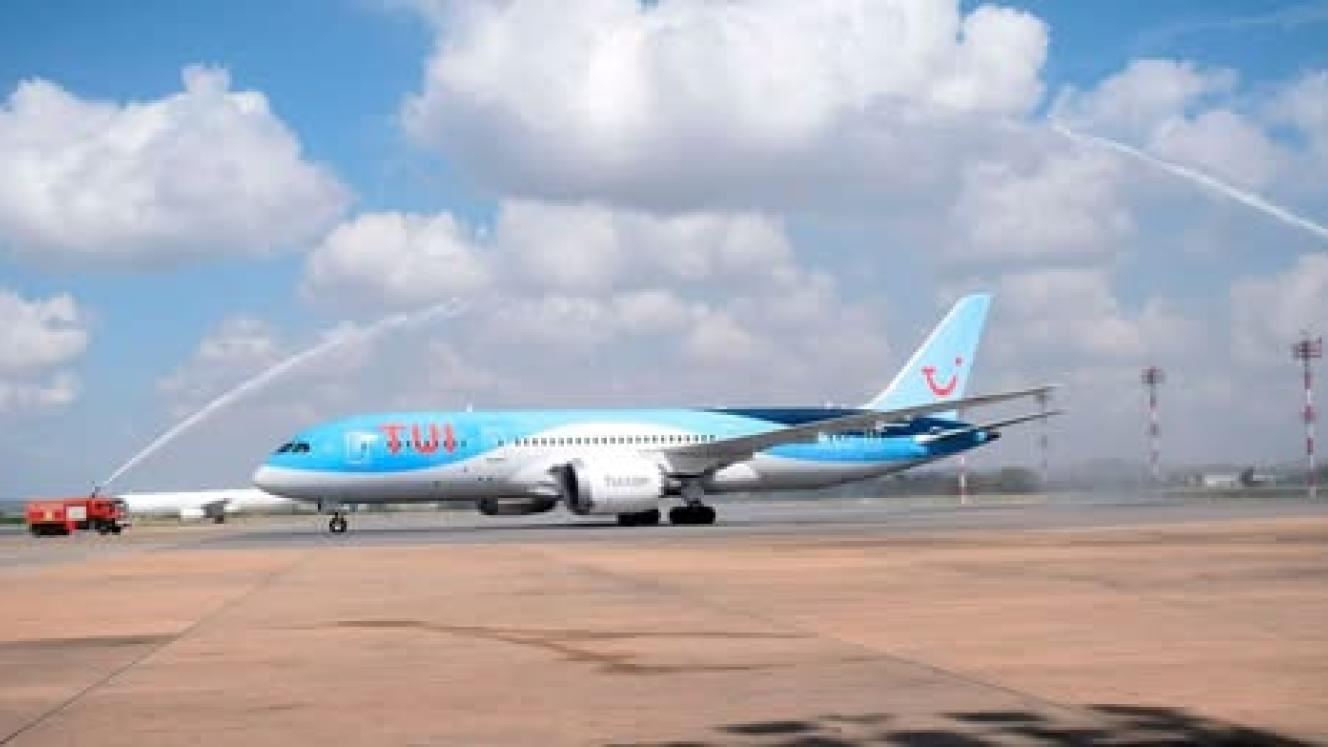
After months of regulatory limbo and repeated setbacks, TUI Airlines has finally secured approval to operate charter flights between Amsterdam and Mombasa/Zanzibar, opening a crucial new gateway between Europe and Kenya’s coast.
The Kenya Civil Aviation Authority (KCAA) confirmed, in late December 2025, that TUI was granted a one-year licence to operate Inclusive Tour Charters, marking a breakthrough after a June rejection and a prolonged second application process that began in August.
Using its Boeing 787 Dreamliner fleet, TUI will now be able to fly holidaymakers directly from Amsterdam to Mombasa with some services extending to Zanzibar, creating seamless beach and bush itineraries. For European travellers, that means no more long layovers in Nairobi or Middle Eastern hubs. For hoteliers in Diani, Watamu, Malindi and North Coast, it means something far more tangible: full beds during the peak winter season.
“KCAA views this as part of our strategy to increase Kenya’s international competitiveness and revive tourism volumes,” the authority said in a statement following the approval. “Direct charter access from Europe is essential to improving occupancy levels and strengthening Kenya’s share of the East African tourism market.”
Packaged travel opportunity
TUI is a Europe-based vertically integrated tourism giant that owns airlines, hotels, cruise ships, travel agencies and online booking platforms across Europe. That gives it enormous power to shape where Europeans go on holiday.
By adding Mombasa to its long-haul network, Kenya suddenly appears on the same digital shelves as the Maldives, Mexico and the Caribbean – destinations that dominate European package travel.
“The European winter is when the coast either survives or collapses,” said Group Director of Operations of Pollmans Tours & Safaris Mohamed Hersi. “Direct flights from Europe keep hotels open, staff employed and communities alive.”
He added: “To grow our tourist numbers, we must allow more flights into Mombasa. But that must go hand in hand with upgrading Jomo Kenyatta International Airport in Nairobi and Moi International Airport in Mombasa. More arrivals mean more jobs and more foreign exchange.”
While the decision was celebrated on the coast, it also sparked unease within parts of Kenya’s tourism sector. Some stakeholders warn that TUI’s package-based model, which bundles flights, hotels, transfers and excursions, could leave Kenyan operators with smaller margins. The concern is that much of the value created by the new flights will remain in Europe – not in Kenya.
KCAA defended the move, saying the goal is volume growth, arguing more tourists will create spillover benefits for airlines, hotels, tour operators, restaurants, artisans and transport providers even if some profits flow abroad.
Air access
For years, tourism leaders have argued that Kenya’s coastal decline is not about lack of demand; it is about lack of flights. Håvar Bauck, Founder of HotelOnline, says the approval of TUI, alongside new routes by Flydubai and the return of Turkish Airlines to Mombasa, signals a shift.
“This is what we have been calling for: more competition, more direct flights and lower fares,” he said. “That is how you grow coastal tourism under the Single African Air Transport Market.”
While flight approvals are improving, Bauck notes that Kenya’s airports are now under pressure. “Nairobi and Mombasa are simply not built for the volumes we want,” Bauck said. “We need expanded runways, modern terminals and better management.”
He pointed to Zanzibar’s Terminal 3, operated by DNATA, as an example of professional airport management transforming passenger experience and airline confidence.
For coastal hotels, the TUI licence is already changing the mood. Roberto Marini, Chairman of Ocean Beach Resort Malindi, says capacity is finally coming back.
“With TUI coming to Mombasa and Emirates adding a third flight to Nairobi, things are moving in the right direction,” he said. “Open skies is still a challenge but, at least, now we are seeing real progress.”
Airport and road upgrades remain essential if Kenya wants to compete at the highest level, Marini added. “If we want to be a global destination, Malindi Airport, Mombasa Airport and the road network must match that ambition.”
If the route performs well, aviation analysts expect TUI to seek more frequencies, more cities and longer-term approvals, potentially bringing flights from Brussels and London next.