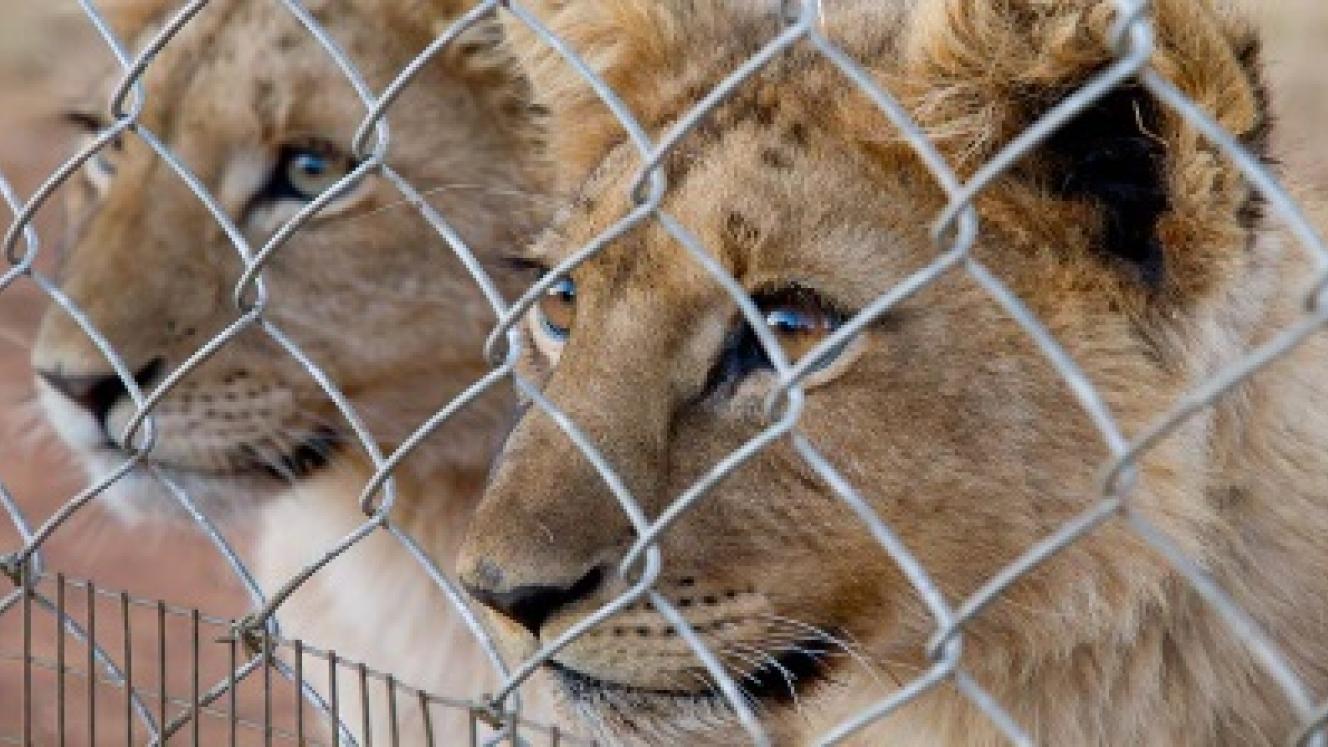
The industry needs to take a stand against predator breeding and canned hunting practices as well facilities that contribute to the cycle of breeding, members of the industry have warned.
Earlier this month, some safari operators made a stand against predator breeding and canned hunting practices and committed to not support operators that contribute to the cycle of breeding, such as petting facilities. However, these facilities continue to enjoy support from the trade.
Tourism Update asked some of the country’s biggest DMCs if they packaged lion interactions. The majority of them don’t and also said they do not market or promote these activities. However, most of the DMCs said that they would sell these if specifically requested.
These facilities have come under the spotlight since the release of feature film, Blood Lions. In addition to criticising the practice of canned lion hunting, the film raises questions about the future of lion cubs that are used for interactions with tourists.
Blood Lions Producer, Pippa Hankinson, says there are five cons in the industry. She says these include lion petting facilities where visitors are told that the lions are orphaned and that they will be reintroduced into the wild. She points out that volunteers at facilities are told the same thing and come to South Africa to do what they believe will be conservation work, only to find out later that this isn’t the case.
Hankinson also points out that the canned lion industry projects an image that the lions are wild, when they are in fact captive bred. Moreover, the bones of lions that have been hunted are sold into traditional medicine in the East as tiger bones. The fifth con is that all these segments tout themselves as conservation projects without having actual conservation merit.
According to Hankinson, there are three questions the industry needs to start asking petting facilities where the cubs come from and where the lions go. She adds that people attending lion conservation projects should ask if the facility breeds, trades or offers human interaction. “If they are doing any of those three things it is not a sanctuary,” she says.
Nigel Vere Nicoll, Chief Executive of Atta, says SA’s reputation is at stake. “We urge the tourism industry to stand up as one, against captive lion breeding, and call on the South African government to adopt a strictly no-breeding policy,” he says. “Our goals are simple, no breeding, no trading, and no interaction with humans.
“Ultimately, this issue must be resolved before brand South Africa is damaged irrevocably by negative media coverage,” says Vere Nicoll.
The Blood Lions documentary is available on Video on Demand worldwide, on Amazon in the US and UK and on Takealot.com in South Africa.