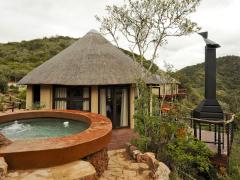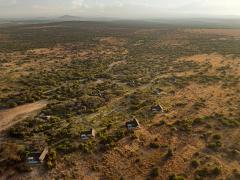
The number of tourism camps in the Maasai Mara National Reserve increased to about 183 between 2006 and 2025, according to a report by the Mara Conservancies and Kenya Wildlife Trust, raising concerns about compliance with the reserve’s management framework.
Kasoe Dominic, CEO of the community-based organisation Resolute Rise, says the rapid growth of camps has disrupted wildlife movement corridors, increased overcrowding and placed pressure on natural resources such as water and land.
“Large sections of wildlife habitat have been encroached upon, leading to serious ecological consequences. Without urgent action to regulate development, the long-term survival of the Mara’s wildlife and natural heritage is at serious risk.”
Increased tourism infrastructure has also contributed to pollution and environmental degradation, says Dominic, citing waste management challenges and overuse of facilities. He has filed court papers seeking to halt further development and enforce compliance within the Maasai Mara National Reserve Management Plan (MMNRMP).
According to Dominic, high tourist demand, particularly during the Great Migration, has created commercial incentives for camp development. Weak enforcement of environmental and planning regulations has contributed to unstructured growth, he added.
“In some cases, environmental and planning laws have not been strictly followed. Poor early planning also allowed for unstructured growth while the rise of luxury safari tourism has increased demand for high-end facilities.”
Dominic also pointed to community land leasing arrangements intended to generate income for landowners, which have, in some cases, enabled camps to be established in environmentally sensitive areas.
The MMNRMP was introduced to regulate development through zoning and land-use controls based on ecological sensitivity. A key provision of the plan is a moratorium on new developments and on the expansion of existing camps within the core reserve, including limits on bed capacity.
Despite this, Dominic said some developments have received special approvals.
“The MMNRMP provides clear guidelines on regulating development, protecting wildlife habitats and promoting sustainable tourism,” he said. “Yet authorities have continued to approve expansions and new constructions within the reserve, undermining the plan’s objectives.”
Dominic is seeking court orders to halt all construction and expansion of camps and lodges in the reserve until 2032, in line with the management plan, as well as the removal of facilities developed in violation of its provisions.