On Tuesday, Tourvest Destination Management signed a pledge not to support operators that contribute to predator breeding.
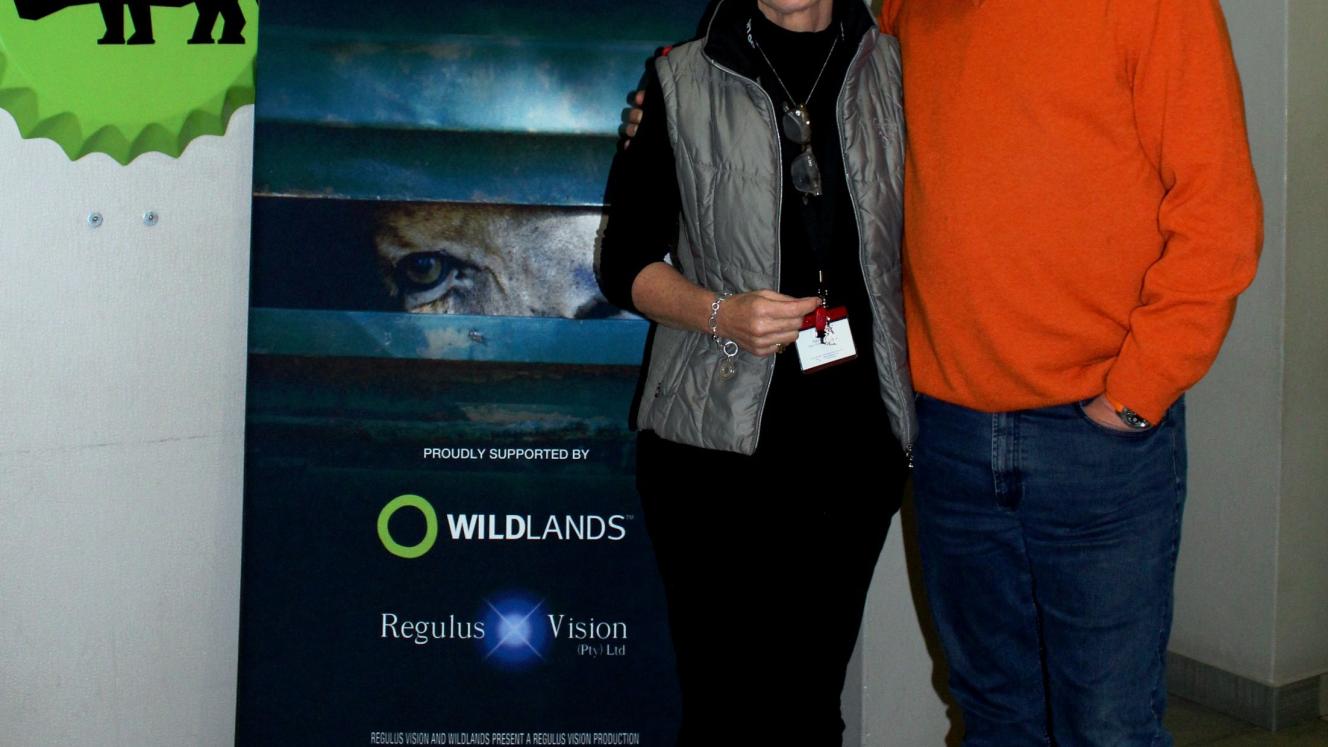
As part of TDM’s commitment to the campaign, the Blood Lions film was screened at its offices in Johannesburg, Nairobi, Maun and Windhoek, for all staff members to watch before signing an internal pledge. Blood Lions Producer, Pippa Hankinson, was flown out to Johannesburg for the day to educate the staff on what the Blood Lions campaign is about.
The pledge commits staff members to not “knowingly book or otherwise support any breeder or operator that contributes to the cycle of breeding, exploitation and senseless killing of predators. This includes all petting and ‘walking with lion’ facilities”. It also states that staff will “continue promoting Africa as an authentic, wild and rewarding tourism destination.”
Tourvest Destination Management CEO, Martin Wiest, said the decision had been taken with a long-term view to sustain the tourism industry. “Our industry can only survive sustainably in the future if we look after our own environment.” He said that, as documented in Blood Lions, while the canned lion hunting industry might be profitable for a few, it was detrimental to the overall tourism industry from a sustainability and image perspective. “It is our responsibility as the largest tourism entity in Africa to take a leadership role,’ said Wiest.
Hankinson applauded TDM for taking a leading role and taking a stand. ”It’s not easy to stand up and be counted.” She said as the biggest operator in Africa, TDM’s commitment would strengthen the campaign and she hoped to see a domino effect where other operators would follow suit. Hankinson also commended TDM for grasping the campaign and making an internal pledge, with commitment from all its staff members.
According to Wiest, TDM has already engaged its overseas partners in the markets where it operates and has experienced some push-back from certain markets in Asia, including India and Taiwan in particular. He explained that TDM’s partners overseas stood to lose business as long as consumer demand for experiences such as walking with lions existed. These consumers will simply book with agents and operators that include these experiences in their packages.
However, Wiest said that while the operator expected some damage to turnover, this was viewed as temporary and would also disappear over time as the industry followed suit.
Speaking about the demand, particularly in Asia, Hankinson said it was essential that the campaign should also be taken into Asia with the aim of shifting consciousness. She emphasised the need to reduce demand so that operations that fed the cycle of canned lion hunting, predator breeding and lion bone trade, would cease to be commercially valuable. Wiest also stressed the need to portray the cause to consumers in order to influence their behaviour. However, he added that addressing demand in Asia was a challenge, as illustrated by the continued demand for rhino horn.
Karien le Grand, TDM Product Development Manager, said it was looking at how to better align itself with ethical animal practices throughout its value chain and would set criteria for procurement. The operator would also engage with suppliers in this process.
Wiest pointed out that there were grey areas where captive wildlife, particularly orphaned animals, was concerned. He said it was critical that the industry came up with an approval process that accessed ethical wildlife experiences, so that ethical operations were not shut down. He added that Tourvest would actively participate in this initiative.
Earlier this year, leading tour operators signed a pledge against the predator breeding and canned hunting industry, including Thompsons Africa, Wilderness Safaris, Jenman Safaris and Great Plains. Atta has also committed to the pledge.