South Africa’s tourism private sector has donated R4.3 million (US$254 558) to boosting safety along Durban’s coastline in a move industry leaders say is critical to sustaining the city’s tourism recovery and competitiveness.
The funding – channelled through the TOMSA Collaborative Fund and supported by FEDHASA and the TBCSA – has delivered vehicles, quad bikes and equipment to eThekwini’s Coastal and Tourism Policing Unit.
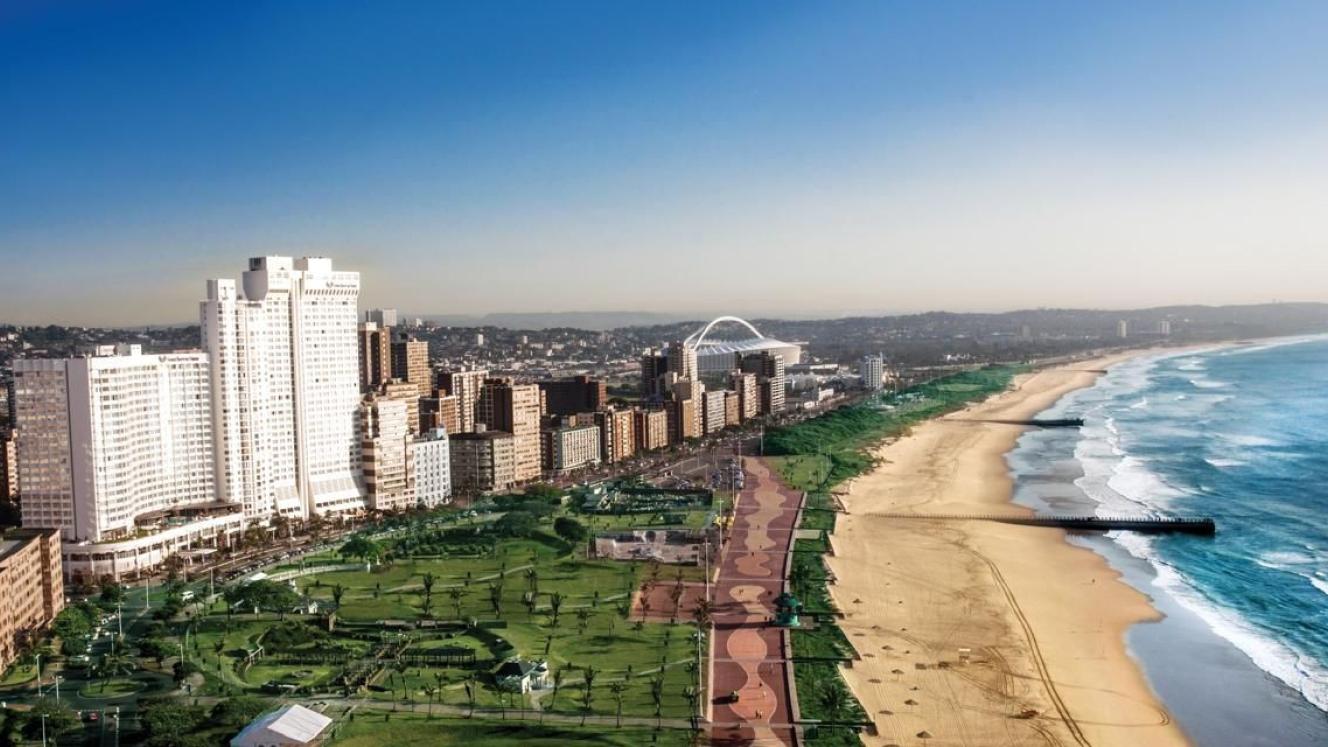
The unit, which operates within the Metro Police Directorate, is tasked with enhancing safety and the visitor experience across Durban’s 100km coastline from Westbrook to uMgababa.
Brett Tungay, FEDHASA National Chair, told Tourism Update that, while Durban has performed remarkably well in safety over the past two years (recording only a handful of tourism-related incidents since December 2024, which is exceptionally low for a metro of its size), the hospitality and tourism sector cannot afford complacency.
“Our coastline is one of our greatest assets and the visitors who come to enjoy it must feel safe and secure at every point of their experience. That imperative is what drove FEDHASA to approach TOMSA to access the collaborative fund for this initiative,” Tungay said.
On-the-ground safety
The donation includes a Toyota Quantum 14-seater, two Isuzu double cabs, six quad bikes, two trailers and uniforms – equipment expected to improve mobility and visibility for tourism policing officers.
“Rather than replacing what is already working, this is about bolstering and building on the momentum that Durban Metro and the South African Police Service have already established. Greater mobility means faster response times, wider coverage and a more visible deterrent presence, which all directly improve the visitor experience,” said Tungay.
Tshifhiwa Tshivhengwa, TBCSA CEO, said the TOMSA Collaborative Fund, which ring-fences a portion of private-sector levies for targeted, high-impact interventions, supports on-the-ground safety capacity in high-traffic tourism areas such as Durban’s beachfront.
“Safety perception remains one of South Africa’s most persistent challenges, particularly in relation to crime, and addressing this requires visible, coordinated action that builds traveller confidence and local enforcement capability.
“This approach also demonstrates the role the private sector can play in supporting broader safety outcomes. These efforts signal a coordinated push to enhance the city’s appeal, improve the visitor experience and position Durban more competitively as a safe and attractive destination for domestic and international travellers.”
Challenging safety perceptions
Gugu Sisilana, eThekwini Municipality’s Marketing and Communications Deputy Head, said the perception that Durban is unsafe for local and international visitors is incorrect and largely driven by narratives that perpetuate fear and misinformation.
“The city has implemented a proactive and multi‑layered tourism safety strategy to mitigate risks and ensure a secure environment for all visitors.”
It has invested in specialised resources that enhance the deployment of metro police along the coastline, particularly in areas frequented by tourists and holidaymakers.
“Metro police officers who have received additional training are also better equipped to patrol densely populated beaches, access previously hard‑to‑reach areas, cover greater distances and engage more actively with members of the public.”
Investments signal confidence
In parallel, significant investments are underway to strengthen Durban’s tourism offering.
These include the development of a new R1 billion (US$59.2 million) beachfront amusement park and a R1 billion lease agreement between Southern Sun Hotels and the eThekwini Municipality for the redevelopment of the Elangeni and Maharani hotels.
“These catalytic projects signal strong confidence in Durban’s future and a shared commitment to transforming the city into a premier tourism destination,” said Sisilana.
“Collectively, these developments are expected to drive increased visitor numbers, generate employment opportunities and stimulate broader economic growth. They position Durban for a more vibrant, attractive and competitive future within the domestic and international tourism industry.”