Industry leaders and governments are increasingly confronting a difficult question: Who takes responsibility when tourism development begins to undermine communities, conservation and long-term destination value?
This was the focus of a discussion at the Travel Leaders Forum during WTM Africa where high-level delegates discussed the widening responsibility gap when ethics and economics collide.
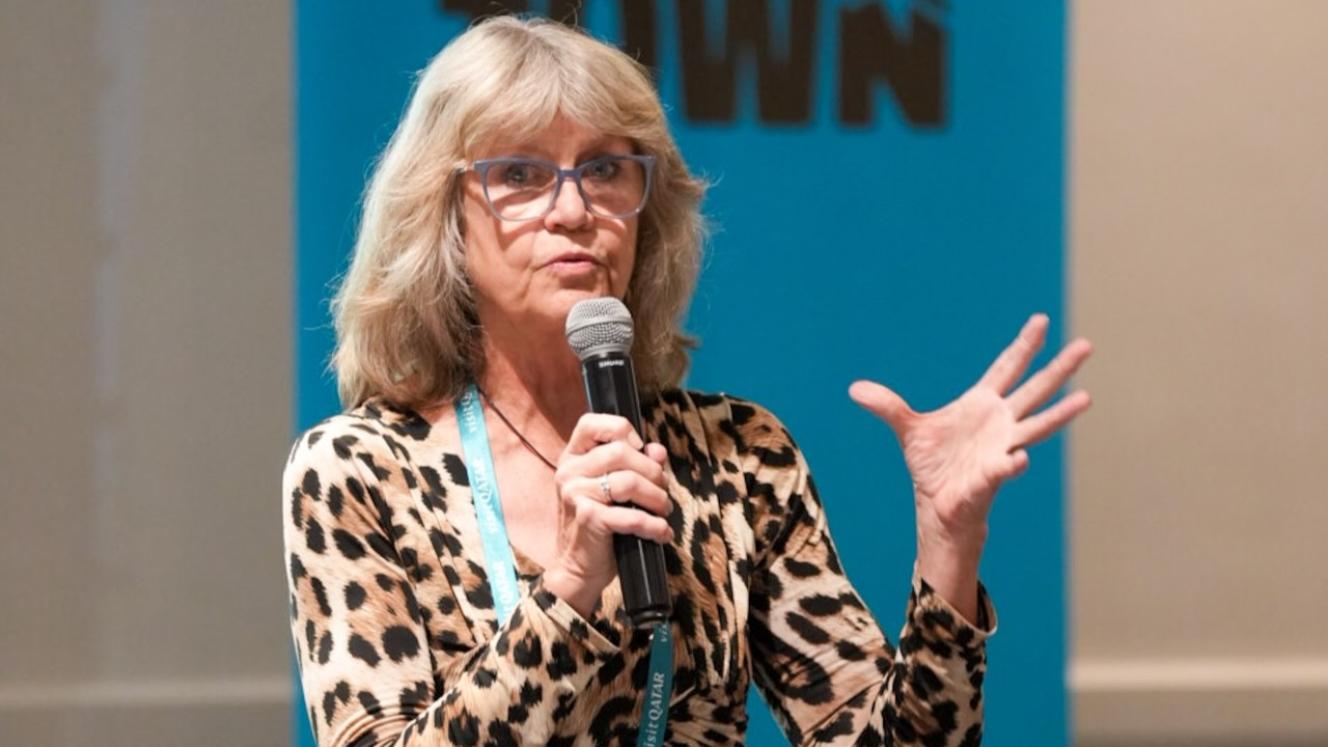
Independent Tourism and Hospitality Consultant Gillian Saunders, who moderated the discussion, said the issue is no longer only about visitor numbers.
“It’s about who sets the boundaries when demand threatens what makes a place special. Where does responsibility sit? Who can say no? Where is the ‘no’ in the system? Where pressure is real – ethics or economics – what gives?”
Communities and conservation under pressure
Saunders said tensions between tourism growth and local residents are emerging across multiple destinations. “Too many short-term rentals squeeze out residents. They can’t live in their own city.”
Access to natural resources and public spaces has also been an issue in some areas. “Can communities harvest grass or wood? Can they do their fishing? Can they simply enjoy the beaches that they sometimes get excluded from?”
“In Botswana, at the moment, there’s a real focus on tourism but, at the same time, there’s concern about inequality and the juxtaposition between high-value tourism income and communities where poverty rates are 40%, 50% or even 60%,” Saunders added.
She warned that conservation pressures linked to tourism development are becoming more visible across the continent. She cited a proposed three kilometre beachfront development on Pemba Island in Zanzibar, involving plans for around 3 000 rooms near protected forest areas.
“Researchers warn that no environmental planning has been done and that animal and plant species could become extinct if the development goes ahead,” Saunders said.
Ethics support destination competitiveness
Cape Town Mayoral Committee Member for Economic Growth James Vos said ethical destination management is directly linked to visitor confidence and long-term demand.
“When tourism is guided by strong ethics, it also builds trust with visitors. Without bookings, there’s no economic opportunities, no jobs and no benefit in travel.”
Wesgro Chief Marketing Officer Russel Brueton said improving mobility within destinations could help reduce tourism concentration pressures.
“If all of them are located in a small two kilometre square radius, you’re going to create that sense of too many,” he said. “The answer to that is around safe road mobility and other areas of access.”
Tourism asset management
Rendzo Network Africa Founder Septi Bukula said questions remain around the long-term management of tourism assets transferred through land restitution processes.
“The land and the tourism asset is given to the community. The community doesn’t know how to run the tourism asset. And that tourism asset decays literally,” he said.
“This country is full of beautiful tourism assets owned by national, provincial and local governments that are lying in ruins.”
Bukula said this raises ethical concerns about how tourism infrastructure is handled after transfer. “That robs not only the destination. It also robs communities of income.”