Wilderness Safaris and its partners, the Botswana and South African governments, have signed a purchase agreement for the further translocation of Black and White rhino from South Africa, to bolster existing populations in Botswana, beginning in the first half of 2015.
Since the project’s first reintroductions of White and Black rhino into the Okavango Delta in October 2001 and November 2003 respectively, populations of both species have grown.
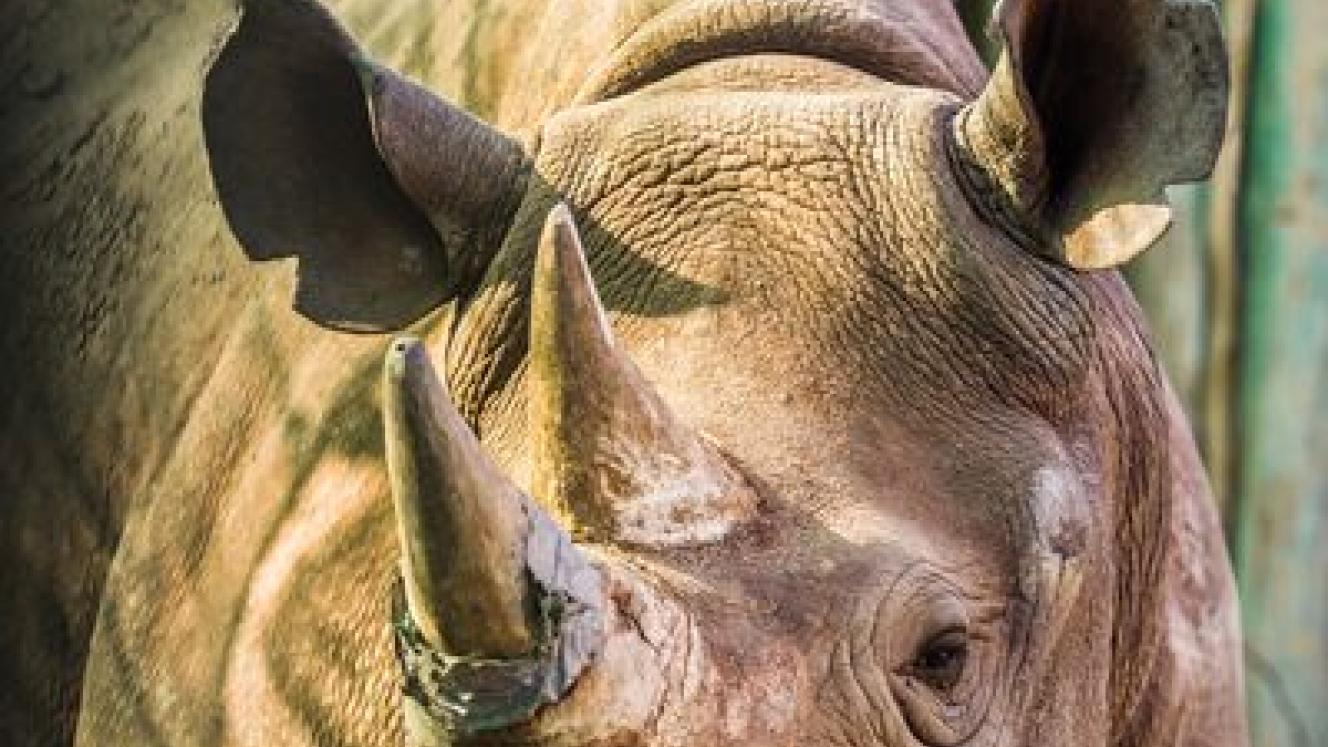
While White rhino had generated the majority of media attention in the last few years of intense poaching pressure in South Africa, and continuedto bear the brunt of this assault, Black rhino were far more threatened, totalling a global population of fewer than 5 000 individuals (White rhino number around 20 000), the organisation said.
“As a result of this, and on the back of a very healthy White rhino population already in existence in the Okavango, we have focused our recent efforts over the last few years on Black rhino in particular. During the course of 2014, we were honoured to have facilitated the reintroduction of further Black rhino into the Okavango Delta in several complex and delicate operations,” said Wilderness Safaris Group Conservation Manager, Kai Collins.
Following the next phase of translocations, valued at well over R7 million, Wilderness Safaris will have moved nearly 1% of the continent’s remaining Black rhino population to Botswana through its Rhino Reintroduction Project.
“With South Africa’s rhino poaching crisis showing no signs of abating, it has become absolutely critical that we continue to take decisive action in ensuring the ongoing survival of the species. Together with our long-standing partners, we are in the fortunate position of having the necessary relationships, infrastructure and people in place to expedite this process and, in doing so, continue to make a meaningful impact on rhino conservation. With each operation, we gain invaluable experience and insight that shape our strategies and plans for the future – not only in terms of moving the rhino but also in ensuring their ongoing safety”, said Collins.
Once released into the wild, the rhino are constantly monitored by Wilderness Safaris’ Rhino Monitoring Officers, the Botswana Defence Force, the Department of Wildlife and National Parks’ specialised Anti-Poaching Unit and officers of Rhino Conservation Botswana, in order to ensure that they are not exposed to any potential threats.