Mkambati Nature Reserve, managed by Eastern Cape Parks and Tourism Agency on behalf of the Mkambati Land Trust, has been designated the first Ramsar site in the Eastern Cape, recognising its wetlands as internationally important.
The designation is part of the Ramsar Convention on Wetlands international treaty focused on the conservation and sustainable use of wetlands. South Africa joined the convention in 1975 and has since designated multiple sites across other provinces.
Speaking at the commemoration event on April 15, Deputy Minister of Forestry, Fisheries and the Environment Narend Singh highlighted the ecological, cultural and socio-economic value of wetlands, particularly in water-scarce regions.
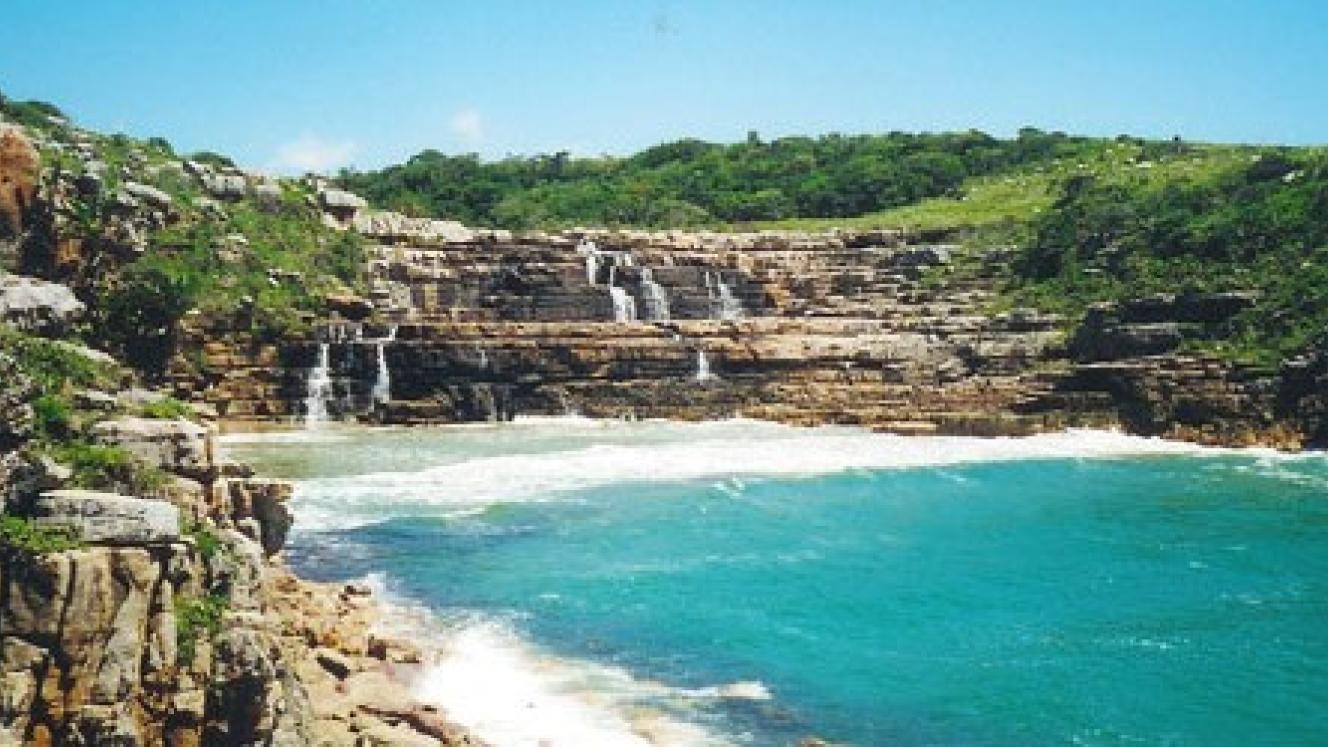
He said Mkambati’s wetlands are in good condition with clean water systems, rare swamp forests, multiple estuaries and unique biodiversity, including species not found elsewhere. The reserve also features waterfalls that flow directly into the sea.
The designation comes amid increasing pressure on wetlands nationally due to pollution, development and unsustainable land use with wetlands and estuaries identified among the most threatened ecosystems in South Africa.
“A recent assessment of biodiversity in South Africa has shown that wetlands and estuaries are the most threatened and least protected ecosystem in the country. At a time when wetlands face multiple threats from pollution, litter, poor agricultural practices and the construction of houses, roads and businesses in wetlands, finding wetlands that are in a good condition is rare and they must be cherished,” said Singh.
The Ramsar Convention promotes balancing conservation with economic development, including sustainable tourism and nature-based enterprises, Singh added.
Government environmental programmes have restored 1 467 hectares across 37 wetlands in the Eastern Cape. In addition, R17 million (US$1 million) has been allocated to infrastructure and visitor access improvements in Mkambati.
The designation is part of the broader Wild Coast Conservation and Development Initiative, which aims to integrate conservation with economic development, involving government, conservation authorities, traditional leaders and local communities.