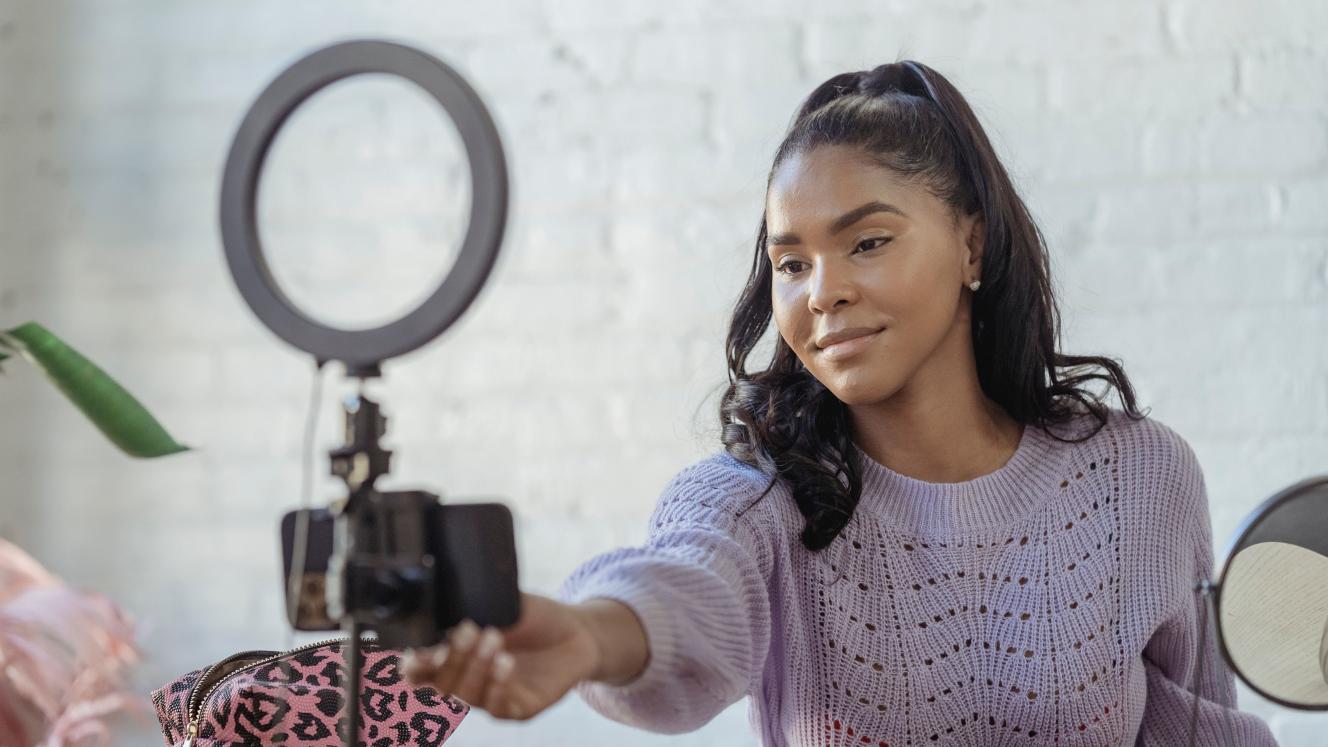
Luxury hospitality businesses are introducing rules, fees and restrictions for content creators as they seek to prevent social media shoots from disrupting paying guests.
The One&Only in Cape Town’s Victoria & Alfred Waterfront states: “We do welcome collaborations with influencers and content creators when these arrangements are made in advance,” says Simone Kershaw, Assistant Communications Manager.
Creators are briefed beforehand on the resort’s approach to photography and filming, and asked to stay mindful of those around them. The guiding principle, Kershaw explains, is simple: “If photography or filming disrupts another guest’s experience or infringes on their privacy, we would ask that it stops.”
Professional equipment is confined to private spaces, guests aren’t told in advance that shoots may be happening and there’s no formal opt-out mechanism. Instead, staff intervene proactively. So far, Kershaw notes, “this has not escalated to a guest raising a concern”.
Setting boundaries
Some exclusive boutique hotels, like Atzaró Cape Town, default to more guarded privacy. “Access to the hotel is only for guests staying with us. We do not allow outside content creators,” comments Atzaró Cape Town General Manager Jordi Flaque. The hotel has never hosted an influencer, he says, and even its own marketing shoots come with guardrails. Guests are always informed when filming is taking place and none appear on the hotel’s social media platforms without that knowledge.
While influencer management might not be strictly formalised in the country’s most photogenic properties, one exception is Askara Haus in Pretoria East, which has a written policy welcoming content creation “as long as it doesn’t impact the quality of the stay for our overnight guests in any way”, making it clear that paying guests take precedence over any shoot.
Askara Haus stipulates a charge of R750 an hour for two people plus a photographer in communal areas, rising to R1 500 an hour if a guest room is involved, with videography arranged separately. Inconsiderate behaviour by a creator or client results in immediate expulsion and forfeiture of the session fee.
Contracts and consent
A formal agreement is also the approach at Rand Club in Johannesburg. “We require a signed contract that stipulates what content creators can and cannot do as well as when and where a shoot will take place,” says General Manager Ian Snowball.
That contract does the work of setting expectations but it isn’t always self-enforcing, he adds. “We have intervened in the past, usually when we feel that a film shoot has overstepped the agreed boundaries, for example, by filming in an area that was not included in the original agreement.”
Paying members have rarely objected, Snowball says. Even so, the club is deliberate about communication and scheduling: members and guests are told in advance when a large part of the building is being used for a shoot and filmmakers are steered towards Sundays and Mondays when the club is quieter.
Set the rules
Dot Field, Founder of Dot Field Consulting, advises hospitality operators to adopt a content creation policy. “The businesses that handle this well are those that decided their policy in advance rather than improvising it in the moment,” she says.
“Professional shoots need prior approval, possibly a fee, a designated area or quiet time slots and publish it in your booking terms.” If boundaries are breached, Field says: “We intervene early, privately and politely and never confront someone on camera as the creator may be filming the exchange.”
Done well, it is an opportunity rather than a conflict, she adds. “Invite serious creators to work with you properly, through your marketing team, on your own terms.”