Angola has emerged as one of Africa’s fastest-growing tourism destinations. International tourist arrivals surged by 87.4% in 2023, the sector contributed an estimated US$2.3 billion to the economy and the country was recognised as Africa’s fastest-growing tourism destination at ITB Berlin 2026.
The government has backed that growth with around US$3 billion in tourism investment as part of a strategy to diversify the economy beyond oil. Under the National Tourism Promotion Plan (PLANATUR) 2024-2027, Angola aims to make tourism its third-largest economic sector and attract two million visitors a year.
But can the country’s tourism infrastructure keep pace with those ambitions?
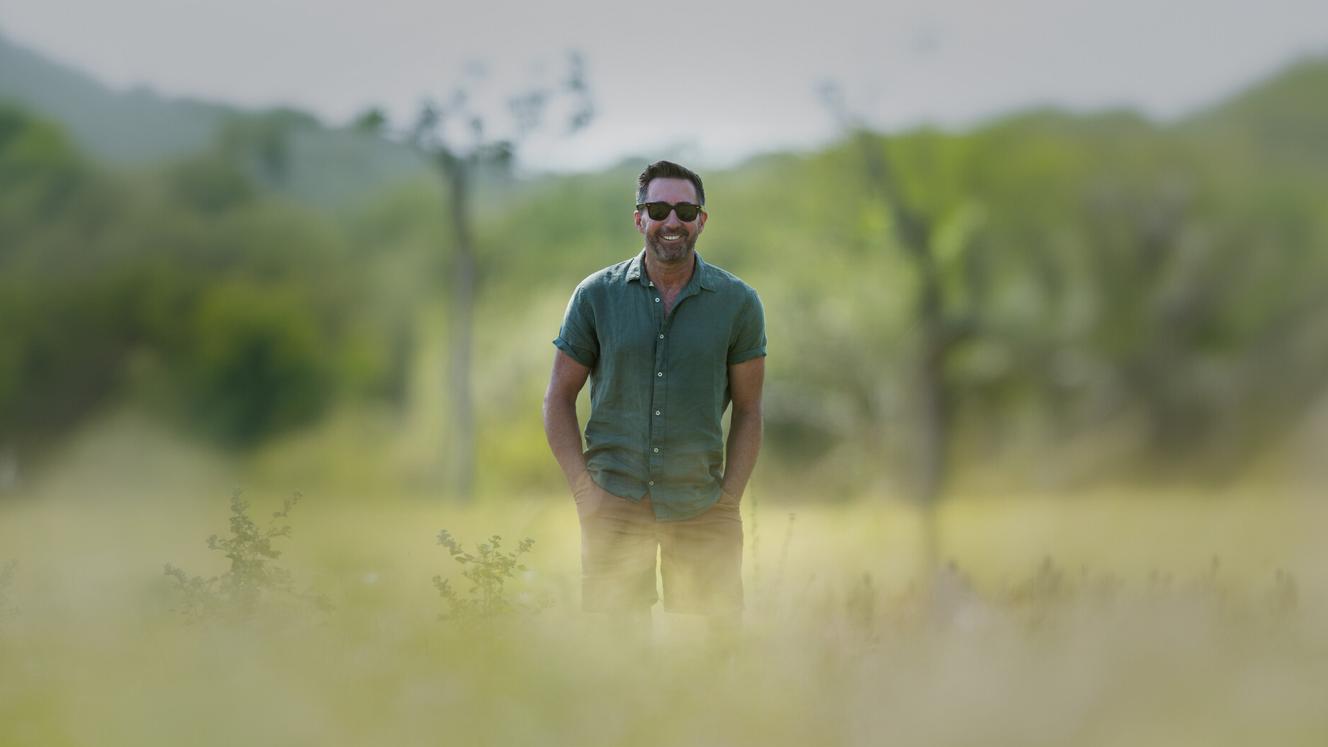
Colin Bell, Co-Founder of Natural Selection and Mkambati Matters, argues that Angola simply doesn’t have the infrastructure for mainstream tourism currently.
“No country that’s just had 40 years of civil war can be ready for mainstream tourism. Tourism is a capital-intensive industry and Angola doesn’t have the lodges, the transport companies, the trained guides or the airfields necessary. They simply don’t have the facilities on the ground to host the mainstream tourist.”
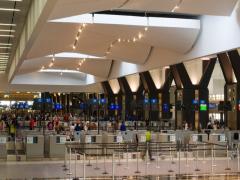
Bell said the government first needs to make it easier for visitors to enter and travel around the country by investing in enabling infrastructure, including strategically located customs and immigration facilities. Angola also has an opportunity to attract international expertise by making it easier for tourism businesses to establish operations, he added.
“Angola could get the industry going in just a few years but they’ve got to understand that a lot of the expertise is going to have to come from the outside.”
Bell noted that there is great potential for Angola to become one of the top tourism destinations in Africa in the next five to 10 years.
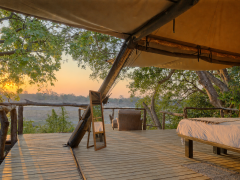
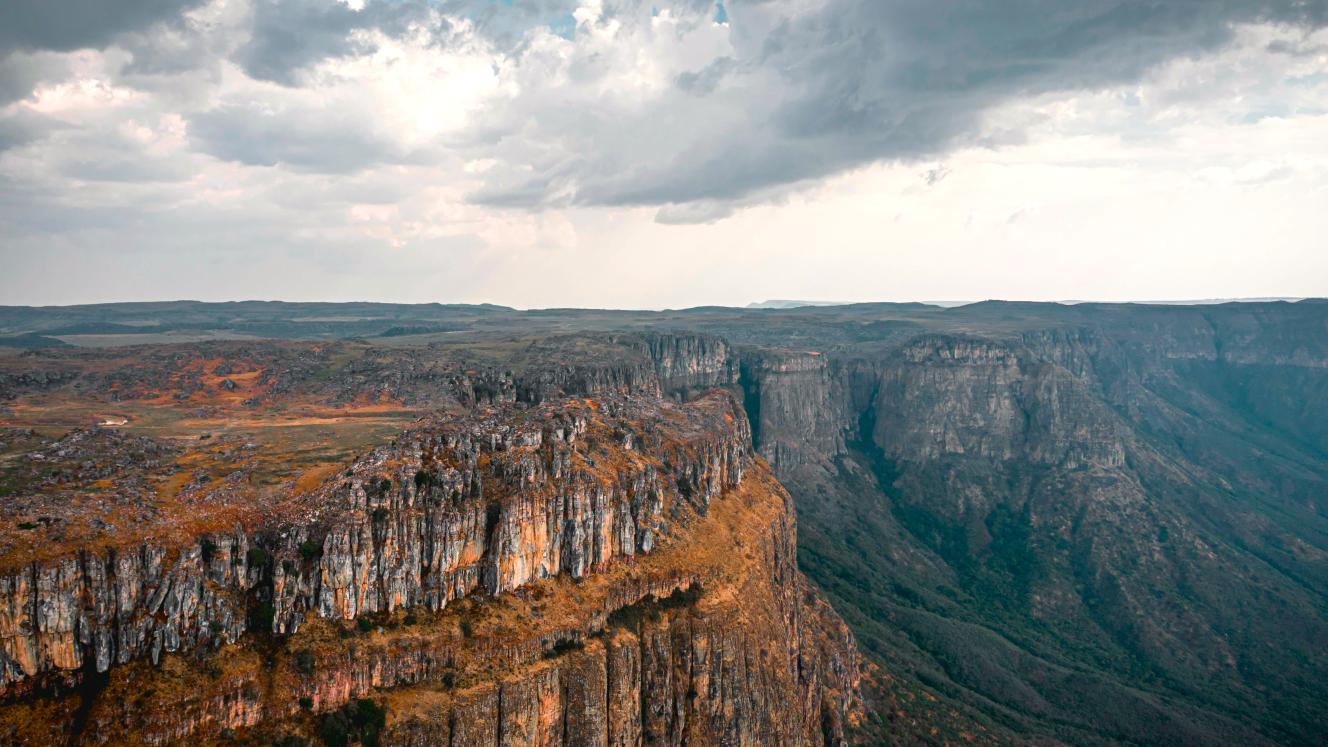
“They’re growing the raw talent, they’ve got the real extraordinary attractions, they’ve got wilderness, they’ve got everything. Small lodges and mobile, tented camps are opening up – it’s only just getting started.”
One such small camp has been spearheaded by Simone Micheletti, Wild Waters MD and co-director of Luanina Plains Safaris, who agrees with Bell’s assessment of Angola’s readiness.
“There are parts of the country that are ready, particularly Luanda and Lubango, especially if one uses local DMCs and guided groups. But, for the rest of Angola, it’s a bit early.”
Micheletti noted that the greatest gap is infrastructure. Simply looking at transport, while areas around the coast have roads, it would take time for the rest of the country to catch up.
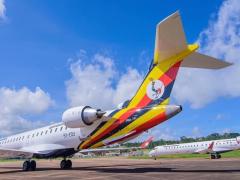
However, he said there is steady progress as the government is supporting ongoing road projects and airport expansion while facilitating investments.
Micheletti said Angola is probably not ready for mainstream tourism but the time is ripe for adventure tourism.
“For explorers and pioneers, it’s actually the best time to visit the country before it gets too mainstream.”
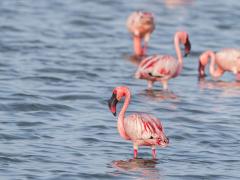
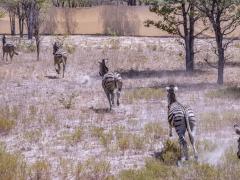
Micheletti predicted that Angola will see a rise in cultural and safari tourism. He expects Luengue-Luiana National Park and Iona National Park, in particular, to attract European travellers seeking to escape the northern hemisphere winter.
While mainstream tourism may be years away, Bell and Micheletti believe Angola’s natural resources and government willingness represent exceptional long-term potential if the country’s infrastructure develops quickly enough to match its tourism ambitions.