The Kavango Zambezi Trans Frontier Conservation Area (KAZA TFCA) has launched a new initiative to help 150 small, medium and micro enterprises (SMMEs) benefit more directly from nature-based tourism.
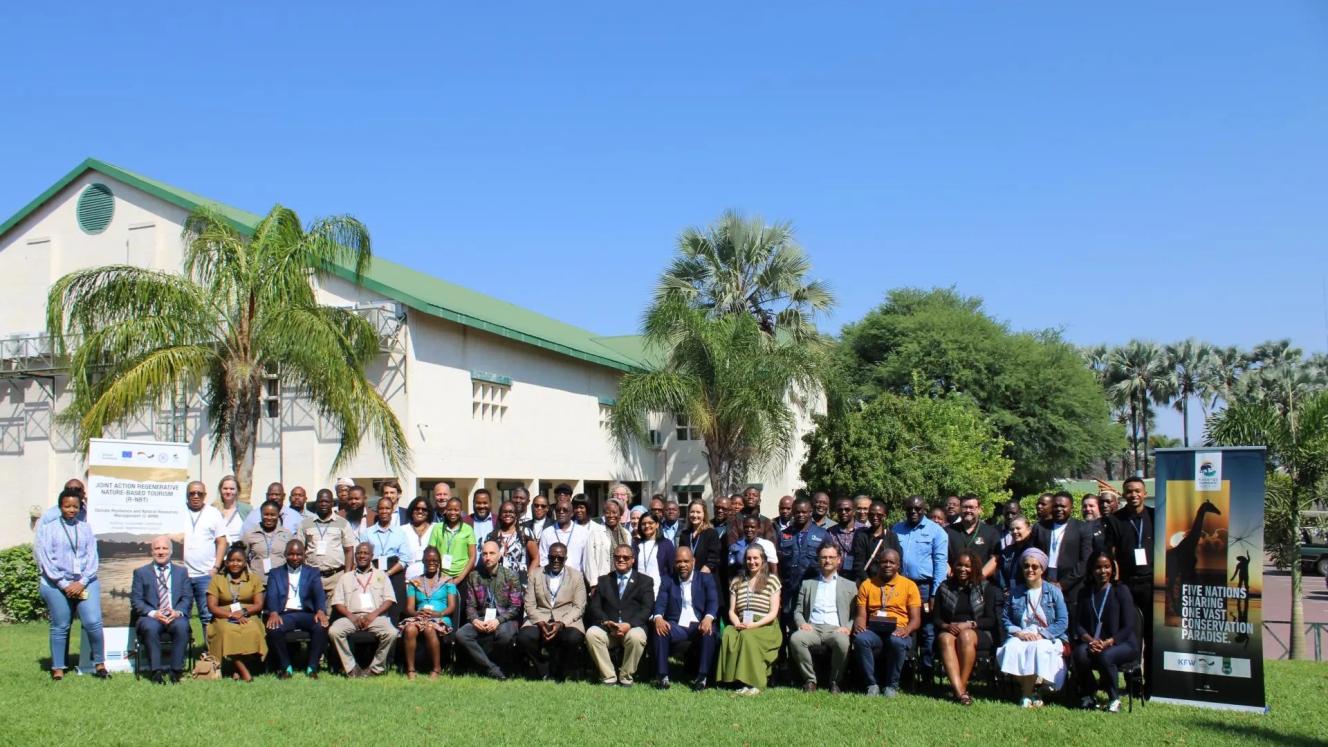
The Joint Action on Regenerative Nature-Based Tourism (R-NBT), implemented by the Deutsche Gesellschaft für Internationale Zusammenarbeit (GIZ), was launched in Maun, Botswana last month. It aims to strengthen local businesses through skills development, improved access to finance and stronger links to international tourism markets. Commissioned by the German Government and co-funded by the European Union, the project also aims to strengthen conservation and ensure that more tourism revenue benefits communities within the five-country conservation area, which spans Angola, Botswana, Namibia, Zambia and Zimbabwe.
Meron Estifanos, Communications Expert at GIZ, said: “Conservation is especially integral in KAZA. The transboundary landscape spans approximately 520 000 square kilometres and includes critical ecosystems and biodiversity areas such as the Okavango and Zambezi river basins. The long-term success of tourism in the region depends on healthy ecosystems, biodiversity and landscapes.”
Melissa Foley, Community and Conservation Impact Lead of Africa’s Eden Tourism Association, says this initiative is particularly impactful for local SMMEs turning local procurement into actual orders.
However, she notes, capacity building must come with purchasing commitments from tourism operators.
“For new lodges and refurbishments, owners, operators, architects and designers need to involve local producers early enough to develop the skills and products required. Importing by default misses an opportunity to retain more tourism revenue locally.”
Foley says the success of the SMMEs should be measured in repeat orders, timely payments, stronger businesses and income retained locally.
“Documenting results can also provide evidence relevant to the procurement and community benefit criteria of credible, independently assessed sustainability certification schemes. That is how economic empowerment becomes part of everyday tourism operations.”