A suspected chemical discharge flowing into the Nairobi National Park ecosystem has again exposed the mounting environmental pressures facing the park as rapid urbanisation and industrial expansion continue to squeeze the protected wildlife habitat.
The Kenya Wildlife Service (KWS) has confirmed that officers responding to reports at the end of April observed abnormal foamy water inflows entering the park through the Mlolongo drainage corridor. The water, characterised by white effervescent bubbles, unusual coloration and continuous frothing, raised immediate concerns of possible chemical contamination from nearby industrial zones. Authorities say investigations are still ongoing to establish the exact source.
“The contamination has triggered fears for the health of aquatic ecosystems within the park and the wider Athi River basin. The polluted water flows into the Mbagathi and Athi river systems before reaching Athi Dam,” said KWS.
KWS has since launched a multi-agency response, involving the National Environment Management Authority (NEMA) and the Water Resources Authority, with officials collecting water samples, tracing upstream discharge points and evaluating emergency containment measures.
But conservationists say the incident is not isolated. Instead, they say, it reflects the growing environmental strain caused by Nairobi’s expanding urban footprint and unchecked industrialisation around the park.
An ongoing issue
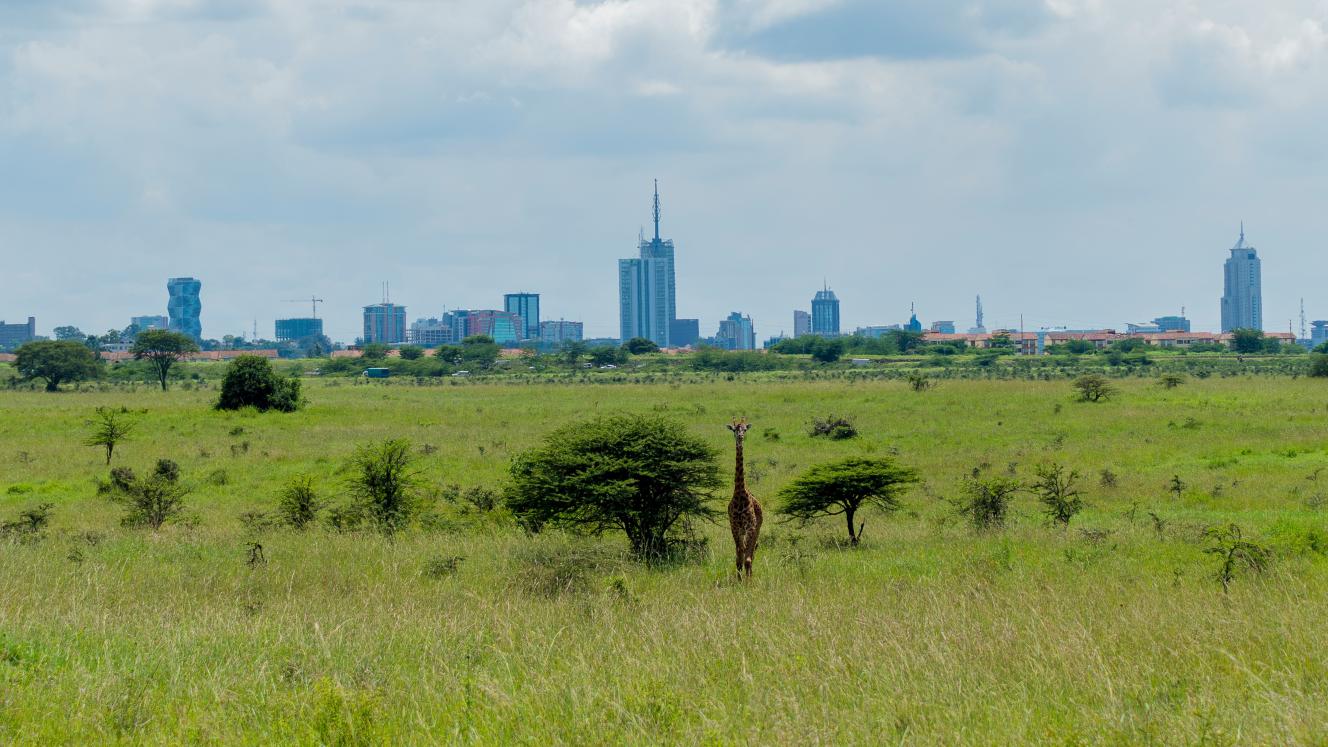
Established in 1946, Nairobi National Park was once surrounded largely by open savannah and wildlife dispersal areas. Today, it sits at the edge of one of Africa’s fastest-growing cities, bordered by highways, factories, housing estates, pipelines, rail infrastructure and industrial zones.
Environmental experts warn, as Nairobi expands southward, the park is increasingly becoming an ecological island trapped within urban development.
Over the years, the park has faced repeated pollution incidents linked to nearby human activity. In previous years, environmental groups raised concerns about sewage discharge into the Mbagathi River, oil leaks from transport corridors and industrial waste entering tributaries connected to the Athi River system. Illegal dumping of waste and stormwater runoff contaminated with chemicals have also periodically threatened wildlife habitats and water quality inside the park.
The latest contamination incident has renewed debate about whether existing environmental safeguards are sufficient to protect the park from industrial pollution.
“This is no longer just a wildlife issue; it is becoming a public health and urban planning crisis,” said Friends of Nairobi National Park (FoNNaP) Group. “What enters these rivers affects wildlife first but eventually it reaches farms, livestock and human communities downstream.”
Further development
FoNNaP, a lobby group advocating for the protection of the park, has also raised alarm about a controversial development project approved within a sensitive ecological zone bordering the park.
According to FoNNaP, the approved project includes development on 77 acres of land, construction of a parking facility for 1 300 vehicles and fencing proposals with dimensions allegedly varying significantly across official environmental documents. The organisation alleges the environmental impact assessment contains inconsistencies, including conflicting project cost estimates ranging from Sh57 million (US$380 000) to Sh315 million (US$2.1 million).
Conservationists argue that the development directly contradicts Nairobi National Park’s own management plan, which restricts commercial construction within critical wildlife areas and migration corridors.
Despite those concerns, the NEMA approved the project, triggering outrage among environmental groups.
“Once this habitat is destroyed, it cannot simply be restored,” FoNNaP warned in a recent statement announcing that it had filed both a Senate petition and a High Court case challenging the approval.
Beyond pollution and land encroachment, Nairobi National Park continues to face multiple threats linked to urbanisation. Human-wildlife conflict has intensified as settlements expand into former migration routes used by animals moving between the park and the larger Athi-Kaputiei plains ecosystem.
The construction of the Standard Gauge Railway, the Southern Bypass and expanding road networks have fragmented wildlife corridors, forcing animals into smaller spaces and increasing stress on ecosystems. Noise pollution, artificial lighting, fencing and illegal grazing have further altered animal behaviour and reduced available habitat.
Climate change has compounded the pressure by intensifying drought cycles and reducing water availability within the park’s ecosystem.
Conservationists now fear, without stronger environmental enforcement and coordinated urban planning, Nairobi National Park could face irreversible ecological decline despite its status as one of the world’s only wildlife parks located within a capital city.