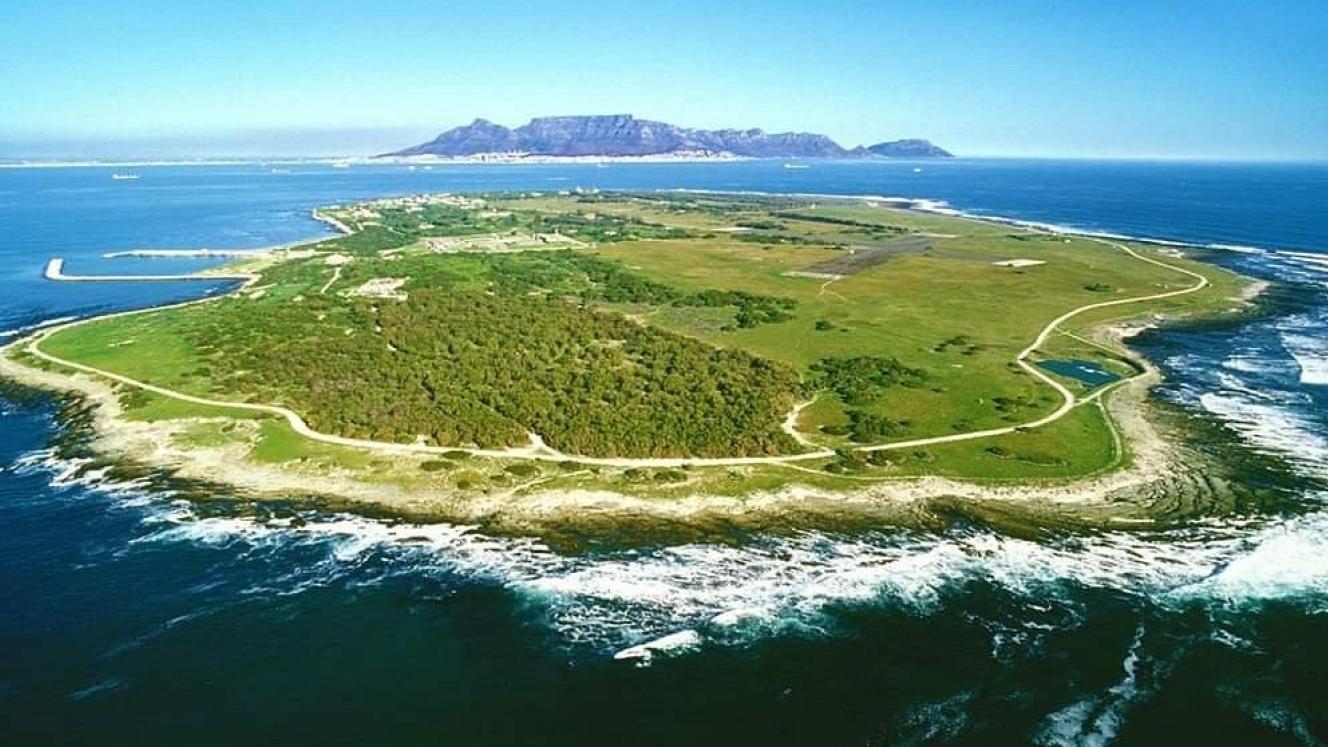
Former prison guard homes on Robben Island are set to be transformed into tourist accommodation under an adaptive reuse project within the Robben Island Museum village precinct, where 15 of the 91 houses have been earmarked for restoration.
Upgrades have begun on one of the homes although no final timeline has been set for completion.
In a media statement on April 15, Robben Island Museum (RIM) noted concerns about converting the houses into accommodation facilities and said it wishes to distance itself from the view that converting the deteriorating properties will undermine the site’s universal value.
“RIM has embarked on a project to meaningfully repurpose former guard houses into accommodation facilities as part of its commitment to sustainable tourism development and responsible heritage management. These houses, once symbols of surveillance and control within the apartheid prison system, will adaptively be reused to serve contemporary social, economic and environmental objectives while preserving their historical integrity,” RIM said.
The museum says it believes the conversion of the guard houses into accommodation supports economic sustainability by generating revenue that contributes to the museum’s long-term financial viability.
“Income from overnight stays helps subsidise conservation work, educational programmes and the ongoing maintenance of the World Heritage Site, reducing reliance on external funding sources. This approach ensures that heritage resources actively support their own preservation.”
The accommodation will reportedly provide space for researchers, educators, artists-in-residence, students and staff who engage in heritage, memory work and dialogue about democracy and human rights.
“In addition, this will provide a memorable experience to tourists who wish to stay on the island. In this way, structures associated with oppression are transformed into spaces of learning, reflection and reconciliation, aligning with Robben Island’s broader mission of social justice and nation-building,” said RIM.
Relevant permits have been received to embark on the project and stakeholder engagement has been done in accordance with permit requirements, RIM added.