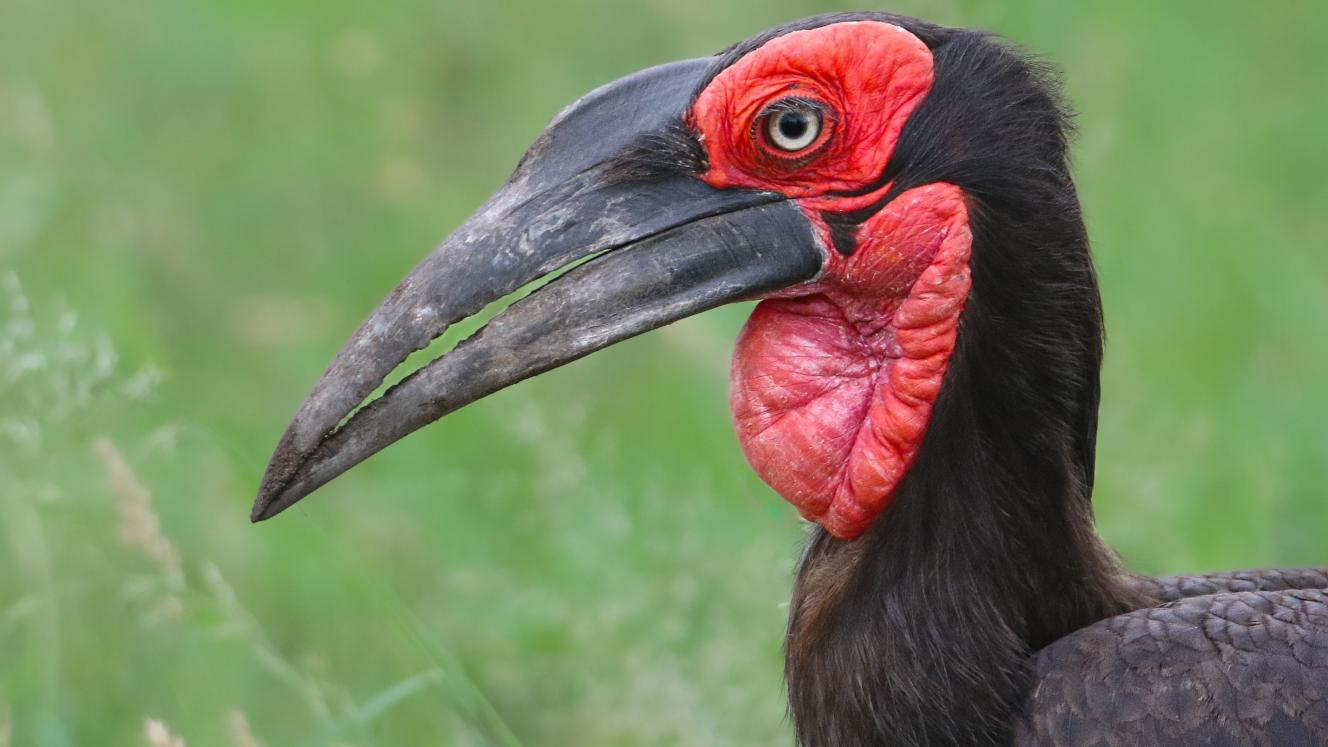
A spike in birdwatching in the UK has highlighted a potential growth market for South Africa’s tourism industry to attract more high-value international visitors.
New research from the Royal Society for the Protection of Birds found that birdwatching participation in the UK has increased by 47% over the past eight years, suggesting there are now more than four million UK citizens who enjoy observing birds in their natural habitats.
BirdLife South Africa told Tourism Update that the UK is one of South Africa’s most important birding source markets, alongside the US, and the recent increase in birdwatching participation presents a significant opportunity.
“South Africa already offers everything that international birders tend to look for: exceptional bird biodiversity with a high rate of endemism, world-class infrastructure, highly skilled and experienced specialist bird guides, outstanding accommodation and the ability to combine birding with iconic wildlife experiences,” said John Kinghorn, Avitourism Project Manager at BirdLife South Africa.
To capitalise on this growth, Kinghorn believes the tourism industry needs to become more intentional about how it markets birding.
“Rather than simply mentioning ‘great birdlife’ as an add-on, destinations should actively promote their key bird species, any endemic birds, their proximity to key bird and biodiversity areas, and any specialist birding experiences and offerings.
“Tourism businesses should also work more closely with registered and accredited specialist bird guides, local bird clubs and international tour operators in ensuring that they are catering correctly for a very niche group of tourists.”
Kinghorn said South Africa’s greatest strength is that visitors can enjoy exceptional birding alongside safaris, wine tourism, photography, hiking, cultural experiences and coastal tourism. “This combination creates an incredibly compelling tourism offering that very few destinations in the world can match.”
Nandi Thobela, Empowering People Programme Manager at BirdLife South Africa, said collaboration across the tourism value chain would be key to capturing the growing market.
“Businesses should invest in understanding the preferences and expectations of key international markets, such as UK birdwatchers, to ensure they offer competitive, high-quality experiences.”
Promoting South African birding businesses at international events, such as the Global Birdfair in the UK, would help raise the country’s profile among birdwatching travellers, added Thobela.
Growing appeal
Kinghorn said technology is helping to attract a younger generation of birdwatchers.
“Smartphone apps, digital field guides and sound identification tools have also all made birding more accessible to newcomers than ever before. We’re also seeing a growing interest in bird photography, bird sound recording and more immersive experiences that combine birding with conservation and citizen science.”
Popular destinations
While established birding destinations, such as the Kruger National Park and Greater Kruger region, KwaZulu-Natal, Gauteng and the Western Cape, continue to attract strong interest, Kinghorn said travellers are seeking longer itineraries that combine multiple birding hotspots.
“We’re also seeing increasing interest in more specialised destinations, including Wakkerstroom, Magoebaskloof, the Drakensberg, areas of the Karoo and Namaqualand. Visitors are increasingly looking for more complete, wholesome birding journeys rather than single destinations, combining multiple habitats and various target species into longer itineraries that enable them to travel further and see South Africa’s incredible diversity.”
Thobela said many of the country’s birding hotspots also benefit from a high level of repeat visitation with accredited bird guides often welcoming the same guests and families back year after year.
Untapped potential
BirdLife South Africa believes the country has yet to fully realise the economic potential of avitourism.
“Birdwatching and bird-related tourism remain significantly underrepresented within the broader tourism sector, particularly by government and state tourism entities, yet bird tourism makes a substantial contribution to local economies by supporting jobs, small businesses and tourism value chains while contributing meaningfully to South Africa’s GDP,” said Thobela.
Kinghorn said birdwatching should become a more prominent part of South Africa’s international destination marketing.
“We have a globally competitive product but we need to tell that story more consistently and strategically. Other countries that have adopted this approach have benefited immensely.”