Angola is using Luanda’s growing tourism and business travel infrastructure as the launchpad for a wider tourism expansion strategy as the country accelerates efforts to be positioned as one of Africa’s emerging tourism destinations.
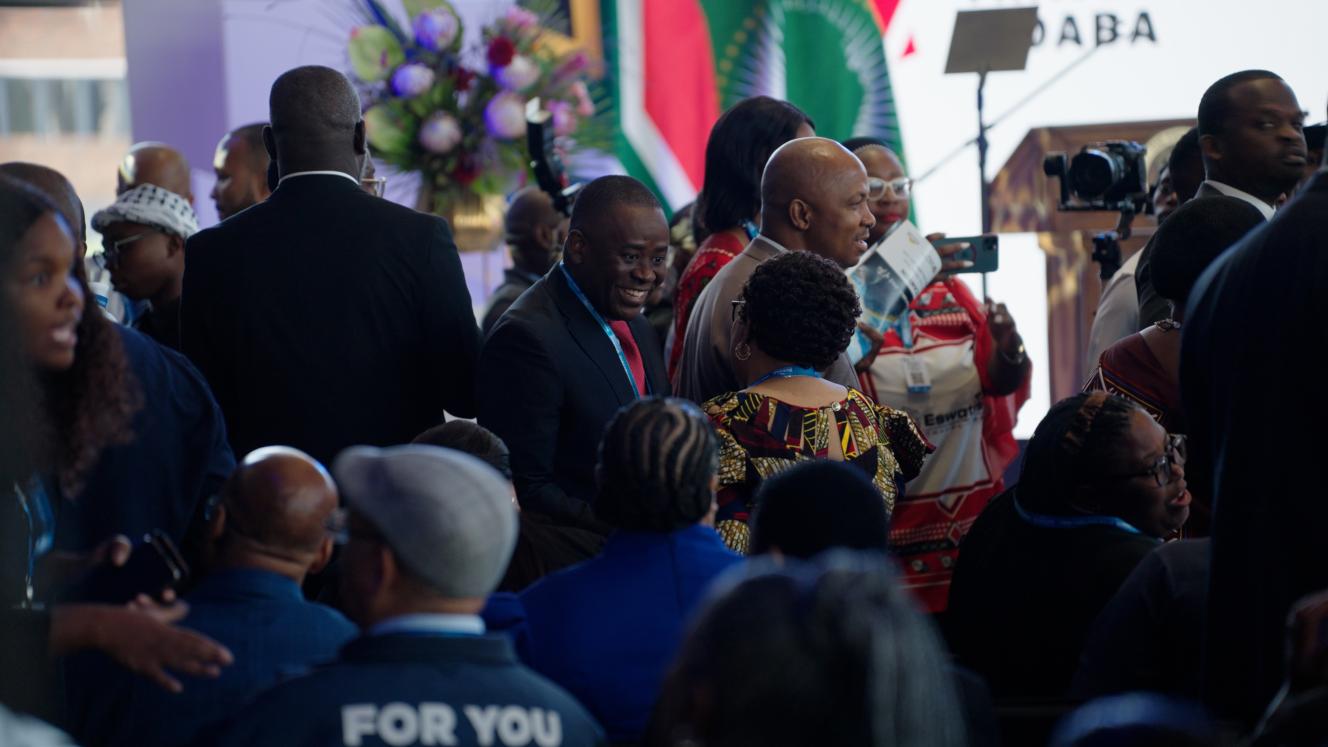
Making its debut at Africa’s Travel Indaba last week, Angola is pushing to raise its profile among African and international buyers while driving investment into urban tourism, leisure travel and conservation-led tourism.
Speaking to Tourism Update at Indaba, Angola’s Secretary of State for Tourism Augusto Kalikemala said Luanda’s role as a business hub, combined with growing hospitality infrastructure and cultural appeal, makes it a natural starting point for tourism growth.
“We have the potential and we have the natural resources. It’s just a matter for us to promote, bring tourists, bring investors and create the best experience,” said Kalikemala.
Luanda focus
Kalikemala described Luanda as “a very vibrant city” and said Angola is investing heavily in tourism infrastructure in the capital, including a new convention centre capable of hosting more than 3 000 delegates – a big step up from the current capacity, which can cater for between 300 and 800 delegates across eight large venues.
The upcoming Luanda Convention Centre, part of the Lundo Project, is scheduled for completion in the third quarter of 2026.
The country has also launched the Angola Convention Bureau under the “Meet in Angola – The Meeting Room in Africa” banner aimed at attracting international MICE business while strengthening Luanda’s broader tourism profile.
The tourism drive is part of Angola’s broader effort to diversify its economy after decades of dependence on oil revenue.
“After 20 years of peace, we understood that we needed to diversify our economy,” he said. “With all the natural resources we have, tourism was a natural step towards diversification.”
According to Visit Angola, the country recorded a 30% increase in international arrivals in 2025 while leisure tourism arrivals increased by almost 20% from 44 000 in 2024 to 52 072 in 2025.
Eco ambitions
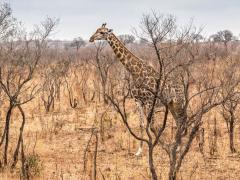
Alongside its urban tourism ambitions, Angola is increasingly drawing attention for its ecotourism potential.
Visit Angola describes the country as one of Africa’s least explored destinations, spanning coastline, desert, rainforest and savannah, including source regions of the Okavango Basin.
The country currently protects around 15% of its land as national parks with tourism expected to play a growing role in conservation and community upliftment.
“These national parks need to survive with tourism,” said Kalikemala. “Without the right tourism development, communities will not have sustainable opportunities.”
Private-sector partnerships are expected to be central to this strategy with safari operator Natural Selection already involved in projects in Angola alongside local investors as well as Luiana Plains Safaris planning the soft opening of its expedition-style camp in June.
“We are trying to create the right partnerships to develop tourism because we have a very diverse portfolio,” said Kalikemala.
Visit Angola’s tourism brand campaign, “Visit Angola – The Rhythm of Life”, launched in 2025, positions the country around themes including nature, biodiversity, culture and transformation.
Access growth
Improved connectivity is also expected to support tourism growth. Angola has introduced visa exemptions for citizens from 97 countries, including 14 African nations, as part of efforts to improve accessibility and regional travel flows.
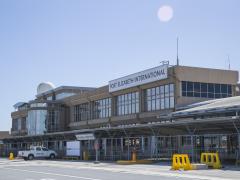
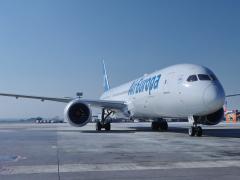
The recently launched Dr António Agostinho Neto International Airport has capacity for up to 15 million passengers annually while international connectivity continues to expand through airlines including Lufthansa, TAP Air Portugal, Air France, Emirates, Qatar Airways and Turkish Airlines.
Kalikemala said the long-term goal is to use tourism to drive employment, particularly among young people.
“I believe tourism can be the right tool to tackle unemployment in Angola, mostly young people,” he said. “If we increase employment and integrate communities into tourism, then we can say we did it right.”