A four-year census has found that South Africa’s population of free-roaming cheetahs is around 70% lower than previously estimated.
Conducted by Ashia Cheetah Conservation, the census identified a population baseline of 83 mature adults and 36 cubs across parts of the Northern Cape, North West and Limpopo. The study focused on cheetahs living outside national parks and private game reserves.
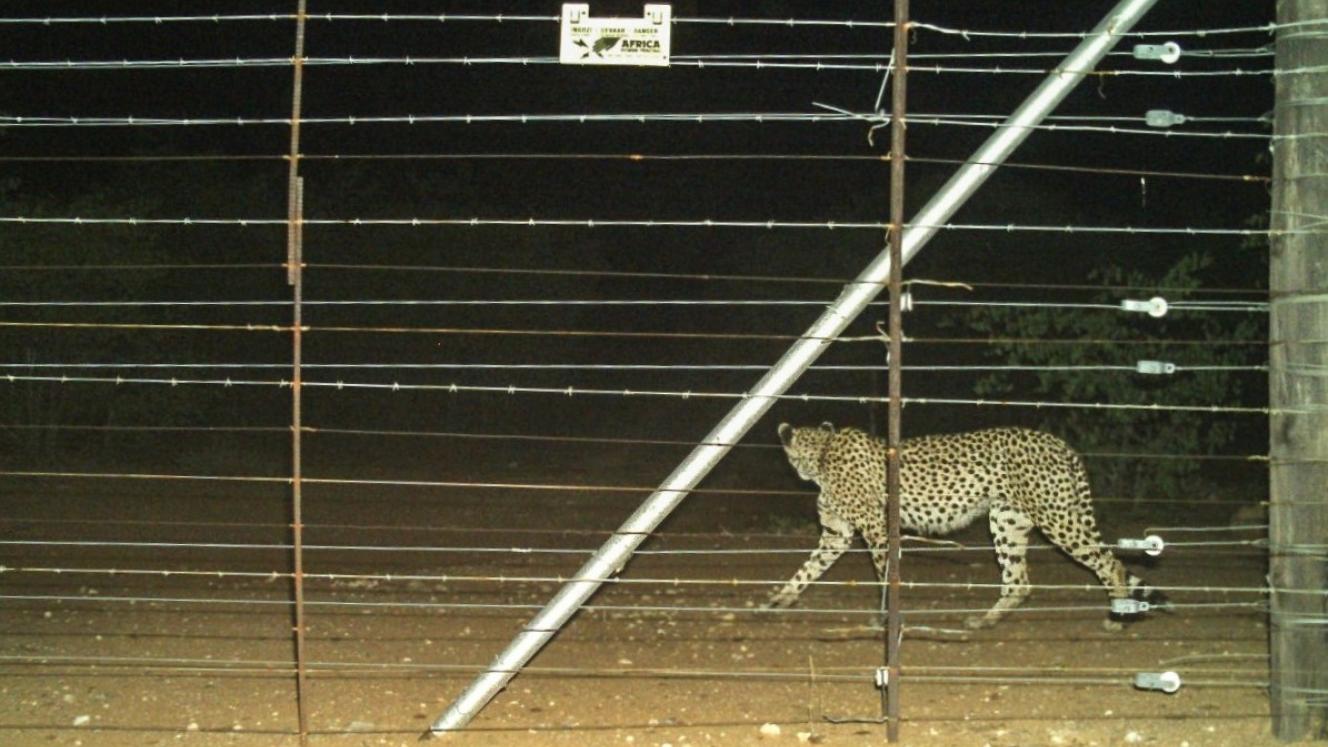
The study found that there are two zones separated by human development. In the Northern Cape and western North West, cheetahs can navigate fairly easily through commercial livestock farmlands. In eastern North West and Limpopo, however, they have considerable difficulty manoeuvring through the fencing of game farms and hunting estates.
The two zones are divided by the Mahikeng-to-Gaborone corridor. If cheetahs are unable to cross this landscape, it increases the risk of in-breeding, which reduces the population’s long-term genetic resilience.
“The long-term survival of South Africa’s free-roaming cheetah relies significantly on coexistence and effective wilderness corridors provided by farmers and landowners of protected wildlife areas,” said Marna Smit, Project Coordinator at Ashia Cheetah Conservation.