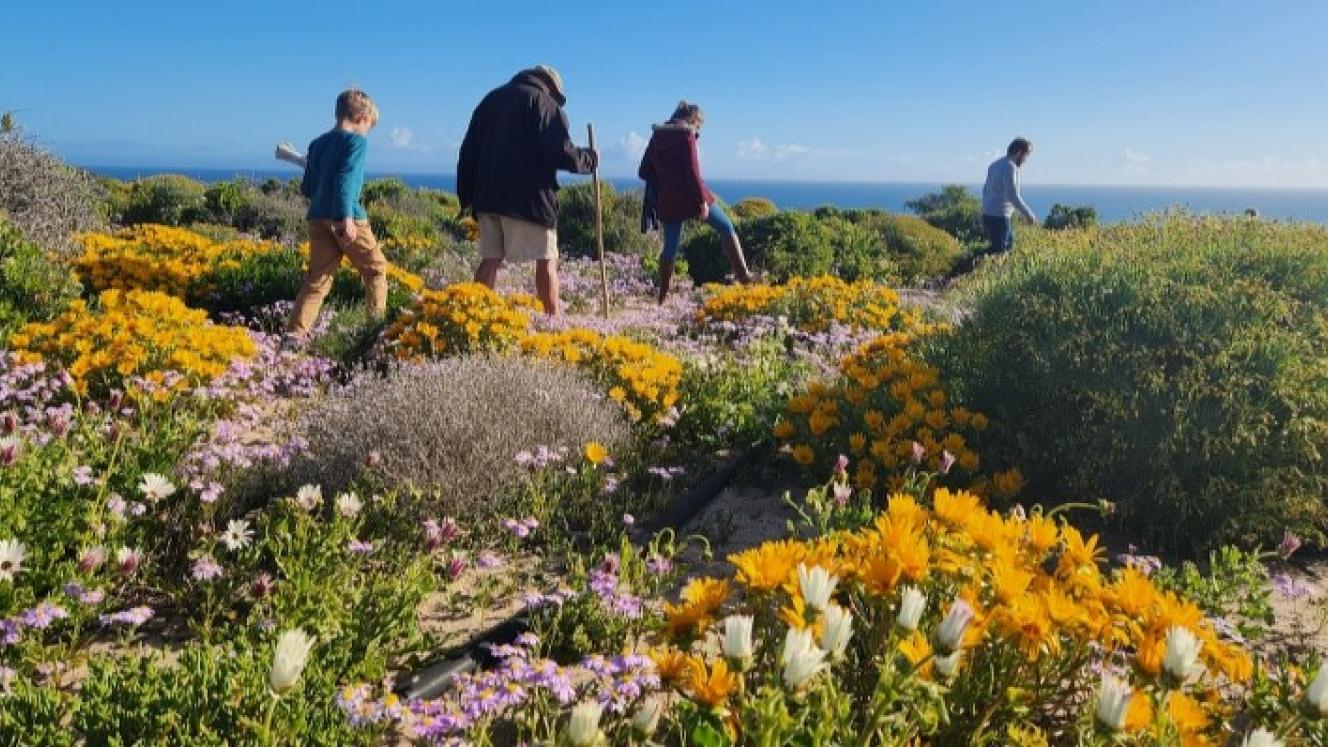
Record winter rainfall along South Africa’s West Coast has created the conditions for what tourism operators say could be a Namaqualand “superbloom” this spring with one of the strongest wildflower displays in years expected across the region. The Namaqualand flower season typically runs from August into September.
Namaqualand’s annual bloom is one of South Africa’s distinctive seasonal tourism attractions, drawing visitors to the Succulent Karoo – the world’s only arid global biodiversity hotspot – where millions of dormant wildflowers emerge for a few weeks each spring.
The timing and intensity of the display vary each year, depending on rainfall, sunshine and temperatures, with different areas reaching their peak at different stages of the season.
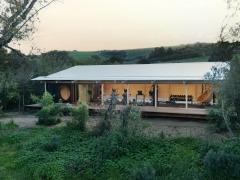
According to Chiefs Tented Camps, record winter rainfall has created ideal conditions. The operator’s seasonal Namaqua Flower Beach Camp in Namaqua National Park will open from August 14 to September 13 to coincide with the expected peak flowering period.
The company has also introduced a Flying Flower Safari in partnership with Africa Sky Runners, offering travellers a direct flight from Stellenbosch to the Diamond Coast near Koingnaas as an alternative to the traditional self-drive journey from Cape Town.
Co-Founder of Chiefs Tented Camps Lysta Stander said the seasonal nature of the flower display remains one of its biggest attractions.
“Unlike attractions that can be experienced at any time of year, the Namaqualand flowers appear entirely on nature’s schedule. Every season is different, which is why people return year after year,” she said.
Visitors typically combine the bloom with visits to Namaqua National Park, the West Coast and neighbouring towns along the region’s flower routes.