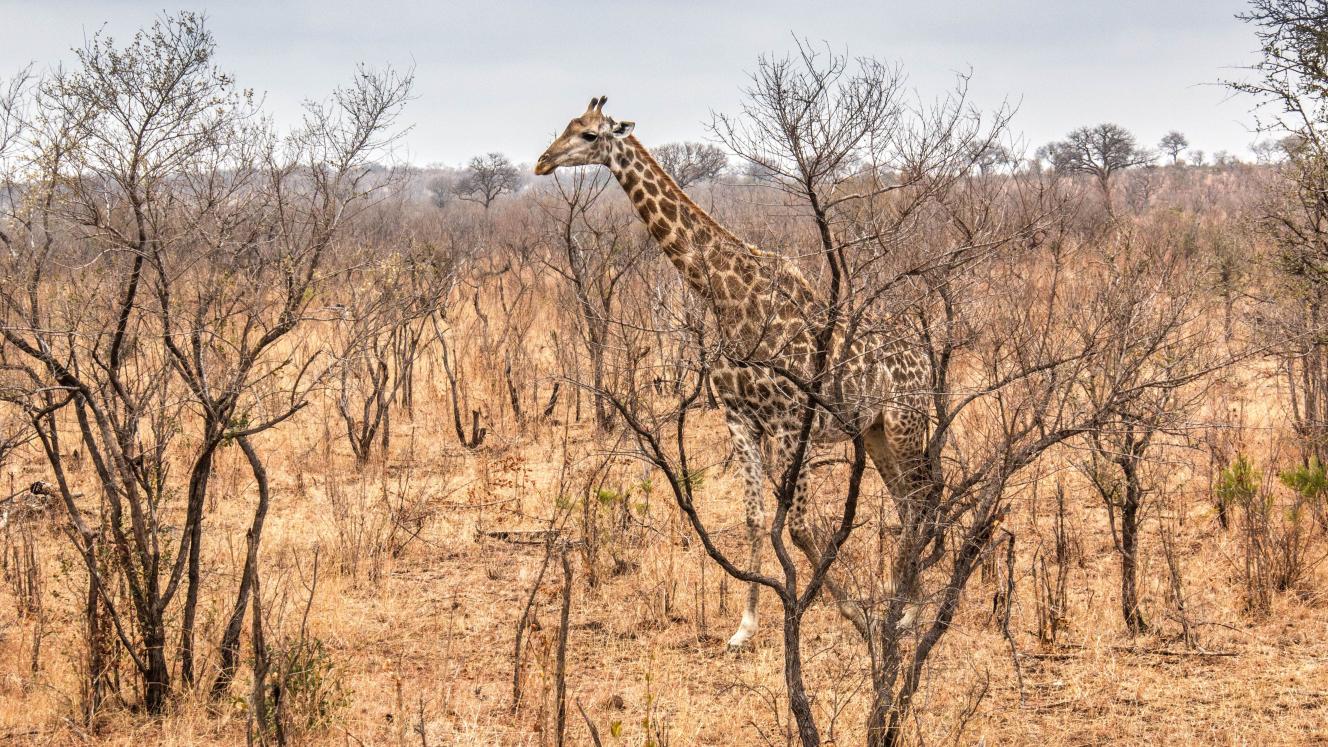
Southern Africa’s safari industry is preparing for the return of El Niño with weather experts warning that the climate phenomenon is likely to bring hotter and drier conditions across many of the region’s premier wildlife destinations during the coming summer season.
According to the South African Weather Service (SAWS), El Niño is expected to influence South Africa’s summer rainfall regions throughout the 2026/27 season with potentially lower rainfall, heatwaves and drought conditions.
Cobus Olivier, SAWS Long-Range Forecasting Scientist, told Tourism Update: “Typical El Niño impacts are drier and warmer conditions. The drier conditions are mostly relevant for the summer rainfall areas in the north-west of the country as these areas are directly impacted by tropical influence from the north, which is the main impact of El Niño in Southern Africa.”
These systems are known to block moisture coming into South Africa during normal summer seasons so reduced rainfall is expected, he said. “These systems can also cause heatwaves if they endure for many days or weeks.”
For safari destinations such as the Kruger Lowveld, drought conditions are already forecast. Kruger has experienced multiple droughts over the years, typically in roughly 10-year cycles. The most recent severe drought occurred in 2015/16.
Tercia Strydom, Senior Manager: Systems Ecology at SANParks, said El Niño has already formed. Certain models are predicting below-average rainfall or drought conditions in and around Kruger, starting towards the end of this year, into next year.
Aware that drought can be challenging for wildlife and tourism operators, SANParks’ preparations for these conditions are already underway.
“Having just come out of a flood, there was significant recharge in our groundwater levels, which will buffer us from a drought much better than what we experienced in 2015-2016,” said Strydom.
Groundwater reserves, including close cooperation with upstream dam operators, should help maintain flows in the park’s major perennial rivers, she added.
However, the ecological impacts are likely to be mixed.
“The public must remember that droughts, like floods, are part of the park’s natural processes and that there will be winners and losers,” said Strydom.
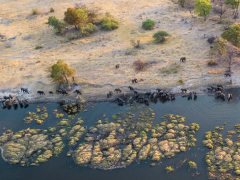
“Due to the lack of rainfall, there is very little grass growth and food available for grazing animals. Grazers such as buffalo and hippo tend to be severely affected by a drought but carnivores such as lions, hyenas and wild dogs do really well as they capitalise on struggling grazers.”
Tourism operators may also need to prepare for higher temperatures and increased energy demand.
“Along with below average rainfall, we also experience very high temperatures, which can be quite unpleasant and uncomfortable for guests. Our demand for energy, particularly electricity, increases as more people use fans and aircons,” Strydom said.
While there is growing certainty that El Niño conditions will persist and strengthen, Olivier cautioned that uncertainty remains about the eventual strength and precise impacts.
For now, experts say vigilance is the appropriate response.
“It really is important to keep up to date with the seasonal forecast, produced every month, in the next few months. Preparedness is key at this stage as it is still quite early to talk about definitive actions to be taken. Be prepared to act and know how to act when the time comes usually around August/September,” Oliver said.