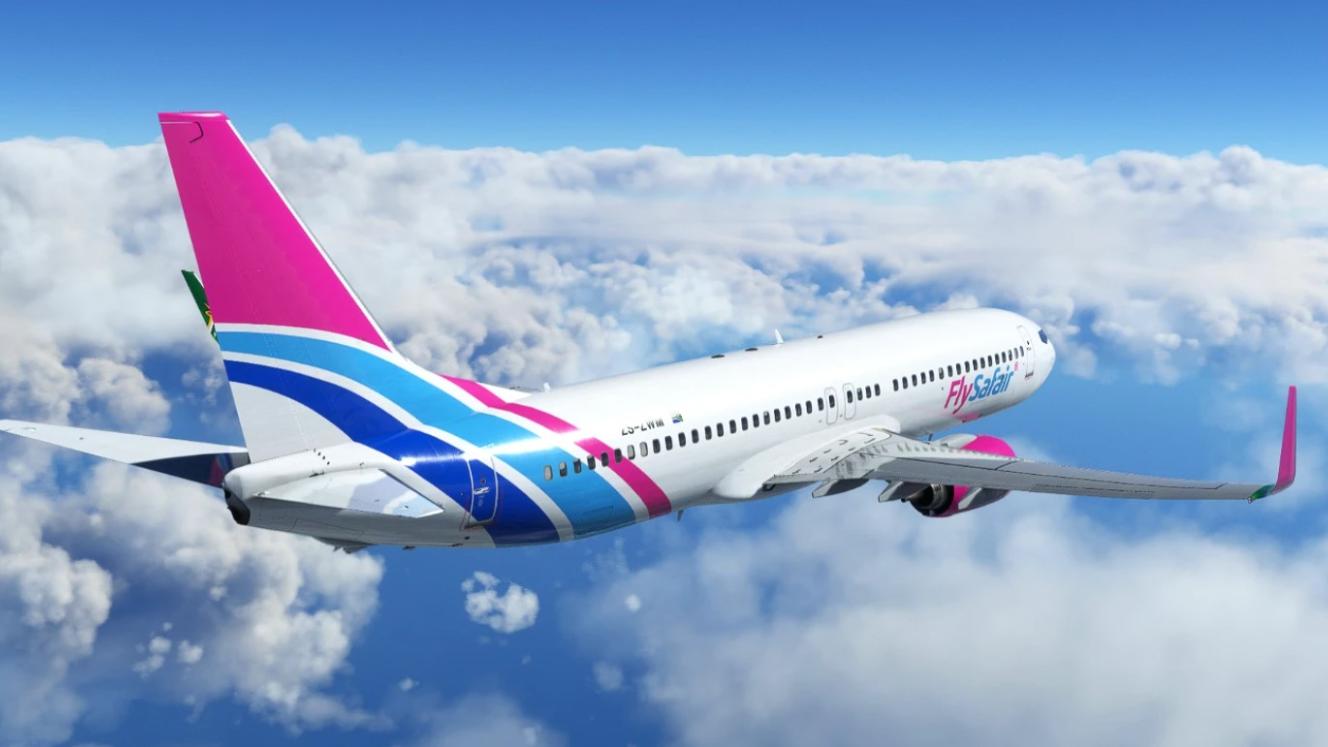
Pan-African infrastructure investor Harith has signed a Sale and Purchase Agreement to acquire FlySafair, in a transaction that could see South Africa’s largest domestic airline move into entirely local ownership, subject to regulatory approvals.
The deal remains subject to approvals from the Competition Commission and aviation regulators, including the Air Services Licensing Council (ASLC).
While financial terms have not been disclosed, representatives confirmed that Harith and its affiliates would acquire the airline as a going concern through a dedicated investment vehicle. Existing shareholders are expected to exit entirely if the transaction is approved. The Public Investment Corporate (PIC), South Africa’s state-owned asset manager that invests pension funds and institutional assets and which owns a stake in Harith Partners, is not involved in funding or investing in the transaction.
Licensing issue remains an unknown
The proposed acquisition comes against the backdrop of an ongoing regulatory process relating to FlySafair’s ownership structure.
In late 2024, the ASLC issued findings relating to compliance with South Africa’s foreign ownership limits, which cap foreign voting rights at 25% and require effective local control. A sanction was imposed, granting the airline a period to regularise its structure.
An urgent interdict was granted in October last year, staying the suspension of the airline’s licence pending further legal review.
The proposed shareholder change will itself require approval from the licensing authorities. Although Harith is 100% South African, representatives acknowledged that a change in ownership does not automatically resolve the licensing matter, which will be assessed independently by the ASLC under its statutory mandate.
The issue of ownership by “natural persons” – reportedly raised in regulatory discussions – adds another layer of complexity, particularly given that several South African airlines operate under trust or consortium structures.
Two years in the making
The sale process has been under consideration for several years. As far back as 2018, there were discussions around a potential merger between FlySafair and Airlink. Those plans did not materialise due the Competition Commission finding that it would result in a substantial prevention of competition. The pandemic further delayed plans, and FlySafair, as an asset grew substantially over that time.
Representatives said conversations between Harith and FlySafair intensified in March 2024, following the termination of Takatso consortium’s proposed deal with SAA (Harith was the majority shareholder of Takatso).
Due diligence has been completed and, aside from regulatory approvals, substantive conditions to the transaction have been met.
No big changes anticipated
Both parties stressed that the intention was continuity rather than overhaul.
FlySafair will retain its brand, leadership team and low-cost strategy. There are no planned restructuring, and existing agreements with pilots, cabin crew and suppliers remain in place.
Harith positions itself as a long-term, value-focused investor with approximately US$3 billion in assets under management across energy, transport and telecommunications. The acquisition would mark its first direct investment in an airline, although it holds a stake in Lanseria International Airport as part of its broader transport portfolio.
Representatives described FlySafair as a “missing link” in Harith’s ambition to build an integrated, multi-modal transport network across Africa, citing investments in rail, rolling stock, border infrastructure such as Beitbridge, and major road infrastructure projects in West Africa.
Capital would be made available to support the airline’s growth where appropriate, including fleet and network expansion, but ruled out any immediate “revolution” in strategy or a dramatic shift into wide-body, long-haul operations.
Market impact
Flying to 10 domestic destinations and five regional destinations, FlySafair currently accounts for approximately 67% of domestic seat capacity.
For agents and industry partners, both parties have emphasised that it is business as usual while the regulatory processes unfold. Timelines remain uncertain, but the parties anticipate that approvals could be concluded within the year.
Independent valuations and further transaction details are expected to become public as part of the Competition Commission process.