Life Science company, Bayer, has launched a one-year trial of a new malaria-fighting Indoor Residual Spray (IRS) in Mozambique’s Manhica District.
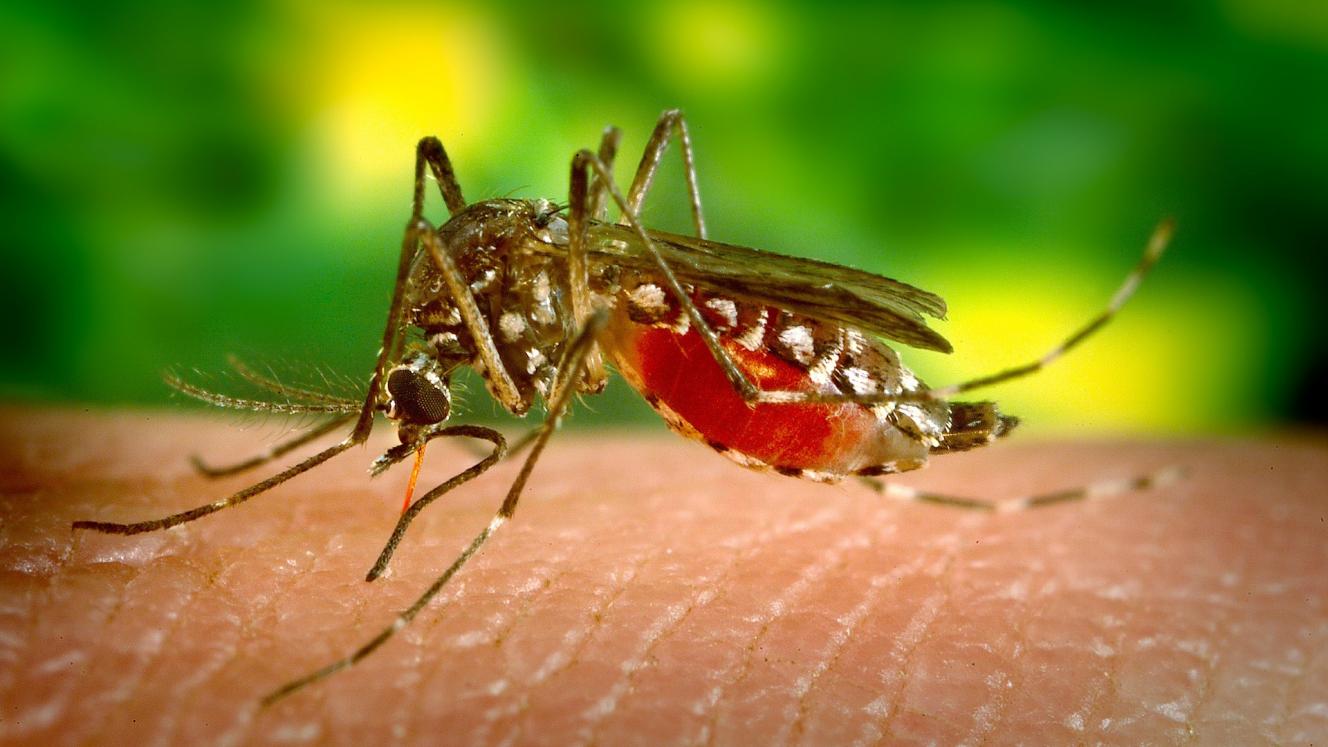
The spray, called Fludora Fusion, is an innovative approach to ‘vector control’ – the method used to limit or eradicate malaria-carrying mosquitos. It remains active longer, and allows malaria programme managers to regulate insecticide resistance with increased coverage.
“This latest innovation in vector control is part of Bayer’s commitment to the growing challenge of insecticide resistance in the fight against malaria and emanates from Bayer’s increased investment in research and development over the past 10 years in order to ensure a new generation of IRS with a substantial increase in efficacy,” says Jose de Sousa, Head of Environmental Science for Bayer in sub-Saharan Africa.
Mozambique was identified as a key country in which to conduct the trial for Fludora Fusion, says De Sousa, as it “has a high and growing occurrence of malaria, with 4.6 million reported cases in 2017, up from 3.8 million in 2016”.
The trial is being conducted in partnership with The Manhica Health Research Centre and Goodbye Malaria, and is one of 17 trials currently taking place in other sub-Saharan Africa countries. These include South Africa, Zimbabwe, Zambia, Tanzania, Kenya, Rwanda, Benin, Ghana, Madagascar and the Ivory Coast.
“While the malaria incidence figures are daunting, the silver lining is that malaria is preventable,” says De Sousa, “provided that we keep refining our ability to control the vectors that spread it – mosquitos. Trials like the one we are launching, is a key step in bringing this solution to the market with Fludora Fusion ready to take its place in the frontline of the fight against malaria.”