Mombasa is increasingly positioning as a MICE destination as it looks to diversify beyond its traditional beach tourism market. Recent large-scale conferences have highlighted the city’s growing focus on business events alongside leisure travel.
For industry stakeholders, this evolution reflects necessity and opportunity.
“The coast has always been regarded as a leisure destination where people come for the beach,” said Kenya Coast Tourism Association Chairman Victor Shitakha. The recent hosting of major international conferences demonstrated Mombasa’s ability to accommodate large-scale business events, he added.
Building capacity
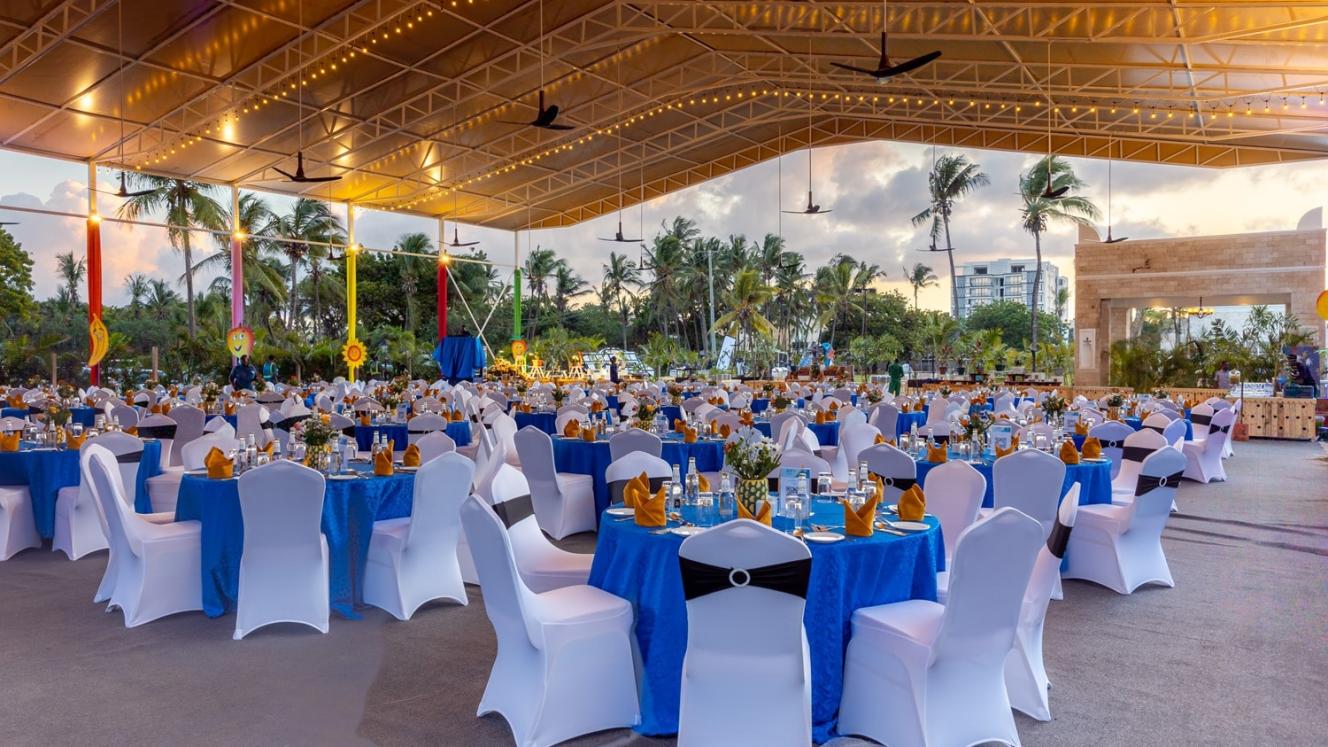
Central to Mombasa’s MICE ambitions is investment in modern conference infrastructure and hospitality upgrades. New facilities integrated within resort developments are increasingly positioning the city to compete for international meetings that once bypassed the coast.
“We looked at what Rwanda and Cape Town were doing and where conference numbers were going,” said PrideInn Group CEO Hasnain Noorani. “We felt it was our responsibility as Kenyans to build the infrastructure first. Now we have the convention centre as well as the connectivity and the hospitality ecosystem needed. The only thing left is to go out and tell the world Kenya is ready for MICE.”
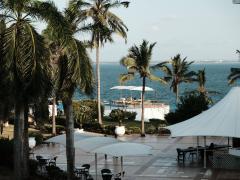
Mombasa has a unique advantage in the global conference market because of its coastal setting, added Noorani. “We have the Tembo International Convention Centre and it is the only convention centre in Africa positioned directly on the beach.”
Business beyond beaches
Beyond direct conference revenue, tourism stakeholders are increasingly focused on what happens after the meetings end. Mombasa’s coastal appeal gives it a natural edge in converting business travellers into leisure tourists.
Shitakha pointed to this as a key economic multiplier. “Some delegates have already told me they will be coming back with their families. One is planning a corporate incentive trip for his whole company. These delegates go home and market Kenya and that is a force multiplier for everything we do.”
Air access has also improved, strengthening Mombasa’s position in a competitive regional tourism landscape. Turkish Airlines, Ethiopian Airlines and RwandAir now operate routes into Moi International Airport, which has improved international reach and reduced reliance on Nairobi as the sole gateway.
Yet, even with these developments, competition with other regional players remains intense. While Mombasa is strengthening its MICE credentials, other Indian Ocean destinations continue to invest heavily in leisure tourism and niche offerings.
Håvar Bauck, Founder of HotelOnline, noted that Mombasa’s advantage lies in diversification rather than pure leisure growth.
“Mombasa’s tourism economy is far more diversified. While the once-strong leisure segment of this coastal gem has stagnated or even declined, Mombasa is soaring as a business tourism destination.”
He contrasted this with regional competitors. “Zanzibar has conference facilities too but these are mostly smaller. Their success is, to some extent, the result of a very focused leisure strategy. For Mombasa, MICE is increasingly part of the core value proposition.”
Challenges remain
Despite the optimism, stakeholders acknowledge that Mombasa’s tourism industry still faces deep structural challenges that could slow its transformation. A key concern is the condition of existing hospitality infrastructure built during earlier tourism booms.
“Marketing has been a problem,” Bauck said. “Investment in maintenance and upgrading has been lacking, which is why a lot of the hotels in Mombasa are old and feeling a bit worn down.” He also pointed to operational gaps in service delivery and management capacity as ongoing constraints.
“Do you have the right people to operate it? Do you have the right operators? Are you putting in the money that it takes to keep continuous maintenance going?”
Mombasa needs more of this, Bauck said, referring to conference infrastructure. “This can help revive tourism not only in Mombasa but also in places like Malindi. The coast needs more of this.”
Shitakha also noted, while Kenya has high-end coastal resorts, it lacks a wide range of internationally recognised luxury hotel chains compared to Mauritius, Seychelles or Zanzibar, which have more global hospitality brands like Four Seasons, St Regis or Ritz-Carlton.
“While we have the best service compared to other coastal destinations, some Kenyan coastal resorts are aging and need renovation to meet the evolving expectations of international luxury travellers. In addition, international brands in Kenya are mainly located in Nairobi, which is a disadvantage as their loyal customers head to coastal properties not in Kenya.”