Southern Africa has seen a number of developments over the past few months. Dorine Reinstein chats to the industry about how South Africa’s new immigration laws, the continuing economic recession and the fear of Ebola will affect the safari industry going into 2015.
Ebola impacts on travel

One of the most pressing issues facing the industry is the outbreak of Ebola in West Africa. Says Nic Griffin, CE of The Thornybush Group: “Whilst as Africans we are aware that in fact West Africa is closer to Europe than it is to South Africa, tourists from Europe, the Far East in particular, and the USA lump Africa together and, sadly, feel very threatened by making Southern Africa their holiday choice.”
According to Griffin, the industry should brace for a drop in forward bookings from 2015 onwards because even if Ebola is contained soon, it will have a two- to three-year effect on leisure travel to the region.
However, Kent Redding, President of Africa Adventure Consultants, says Africa continues to be a hot market despite fears of Ebola and conflict. “Africa is a leading bucket-list trip and, once people visit, they often want to go back for more.”
Redding says 2015 will see much more limited availability in key markets. “As business picks up in countries like South Africa, Botswana and Tanzania, space is already becoming tight and travellers will need to book far in advance. For instance, finding five-star space in South Africa for Christmas to New Year 2015 is already challenging.”
Green season travel
Budgets are expected to remain tight throughout 2015. Redding says this has boosted travel during the green season. “For availability, high-season reservations will be more difficult to come by as more people travel to Africa, but low-season discounts will continue to be offered as fewer guests are aware of the benefits/cost savings of travelling when conditions aren’t ‘perfect’.”
Chris Roche, Chief Marketing Officer of Wilderness, agrees. “We have noted an increase in interest for summertime safaris. We are seeing that travellers who have experienced the bush during the green season are returning to do it again. There are many reasons to go on safari during the summer months – it is the best season for birding, the vegetation is at its most lush and many species give birth to their young. This explosion of new life also often results in regular sightings of predators, who take advantage of the inexperienced young prey. Travelling during the green season is also often more affordable.”
Sue Howells, Sales and Marketing Manager for the Timbavati Game Reserve, agrees that there is an ongoing need for value-for-money travel, even for more affluent travellers. “New age travellers like to spend less and experience more without sacrificing luxury, where possible.”
Group travel
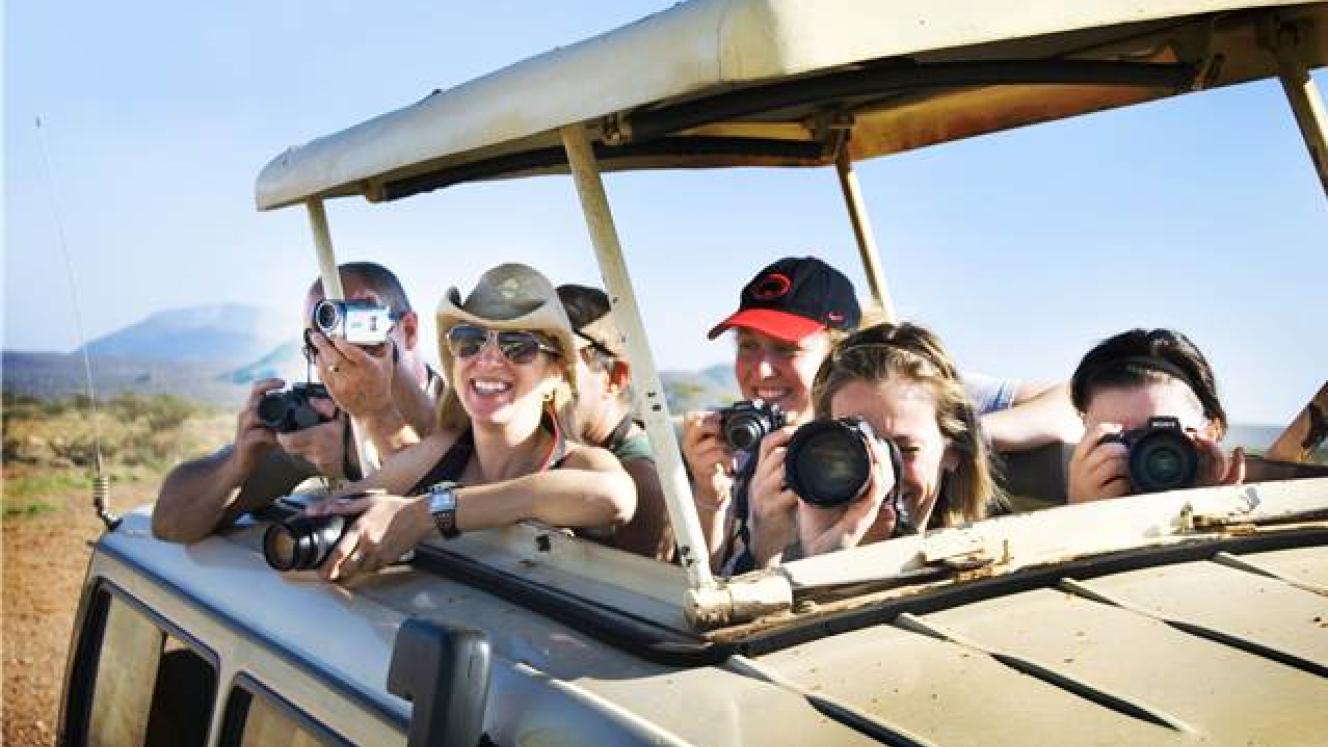
Group travel is a growing niche for the safari industry. “Group Travel has definitely become more popular over the past year, especially within the emerging markets such as Brazil, India, Russia and Asia for example,” says Howells. She warns, however, that the new South African requirement for travellers to apply in person for their visas (biometric application requirement), may deter group organisers from suggesting South Africa as a destination due to planning and logistics.
According to Henk Graaff, MD SW Africa, group travel from affected markets will definitely decline in the short term. Countries such as India, Russia, China and Asia will most likely reconsider SA, as they will find it difficult to obtain visas due to the ‘in person’ biometric application requirement.
Multi-generational travel
Multi-generational travel continues to be a hot trend for travellers from all markets. Redding says: “The trend for three and more generations travelling together will continue well through 2015.” Mariki Theron, International Sales & Marketing Manager for Legend Lodges, Hotels & Resorts, agrees that the family travel trend is here to say.
Roche has also noticed a continued interest in family travel. “Particularly as the global economy recovers, people continue to be busier than ever, which leads them to seek holiday experiences where they can truly unwind, switch off, and spend quality time together with their children, discovering new places and new experiences.”
Howells agrees that multi-generational travel is most likely here to stay as it has proved very successful.
Hands-on authentic travel
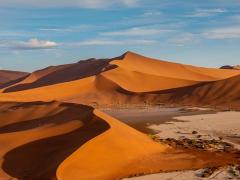
Roche says many travellers have started looking for ways to experience the bush in ways other than the traditional game-drive experience. He says this can take many forms, such as, for example, guided bush walks where guests may be able to track rhino on foot or eco-sensitive quad biking through the desert.
Roche adds that travellers are also requesting a more immersive bush experience: “Sleeping under the stars and enjoying the nocturnal sounds of the bush is one of the purest ways guests can experience the remote wilderness areas in which we operate.”
According to Howells, experiential travel really has become the new buzz with the average recent traveller, whether it’s adventure travel, photographic experiences or a more personalised private safari experience. “Safari travellers are seeking the ultimate African bush experience, and social media has a lot to play in that.”
Redding has also seen a continued demand for more experiential and authentic travel, especially from the luxury market. “Luxury is not a dirty word any more. Some guests want the best and are getting it!”
Conservation safaris
Conservation Safaris are a hot new trend, according to Theron. “As people become more aware, they realise how important it is to look after our beautiful earth. This consciousness is evident in the interest of what people want to do on their holidays. Being close to nature, spending time with loved ones and having authentic experiences are all part growing and enjoying who we are.”
Redding has also seen that travellers are increasingly requesting safaris that include some education or experience on endangered/threatened species such as rhinos, elephants, gorillas, etc. “With all the education and publicity coming out on rhino poaching and saving threatened species, we are seeing more requests from guests who want to see these species, get up-close-and-personal experiences with them and to help.”