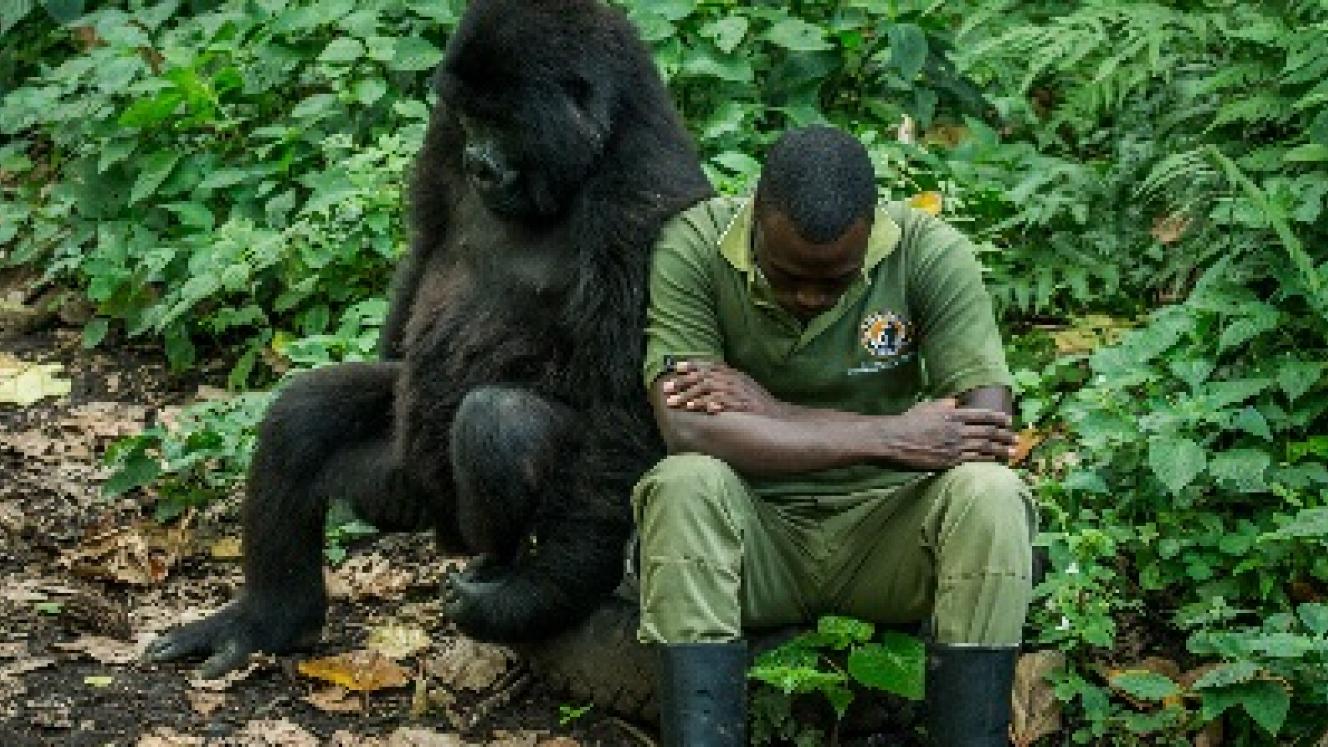
World Ranger Day, which falls on July 31 (Tuesday), highlights the challenges faced by Africa’s rangers, many of whom have fallen in the line of duty, protecting the continent’s wildlife and wilderness.
According to International Ranger Federation (IRF) records since 2012, over 269 rangers have died protecting Africa’s wildlife and wilderness. At least 176 of these rangers have been gunned down by militia groups, unknown assailants or armed poachers working for multinational wildlife crime syndicates.
These deaths are the result of brutal competition to illegally plunder Africa’s rich natural resources, whether it’s minerals, timber or wildlife products such as ivory, rhino horn and bush meat.
In a statement issued by the Game Rangers Association of Africa (GRAA), political instability and conflict have led to 57 of these deaths taking place in the Democratic Republic of Congo alone. Thirty deaths have been recorded in Kenya, 15 in Nigeria, 10 in Uganda, 10 in Cameroon, eight in South Africa and another eight in Mali.
These seven countries account for almost 80% of all recorded ranger murders, with many more unreported.
In light of World Ranger Day 2018, GRAA, together with SATIB Insurance Brokers, is appealing to the tourism industry to take action and help protect Africa’s rangers through an initiative called ‘Ranger Protect’.
Ranger Protect aims to provide risk cover for Africa’s game rangers who cannot afford it. In the unlikely situation that disaster strikes, Ranger Protect will provide cover for rangers and their families.
GRAA and SATIB Insurance Brokers have set up a Given Gain account where the industry can donate towards the Ranger Protect initiative. All money raised goes to the GRAA which will then allocate the funds to the rangers on the ground. Donations can be made in most major currencies and from anywhere in the world.
GRAA says rangers have been trampled, gored and attacked by the wild animals they seek to protect, or have passed away as a result of preventable diseases often as an outcome of inadequate medical support. Furthermore, according to GRAA, they have also been killed in avoidable situations, such as accidental shootings, while others have died in car and motorcycle accidents.
“Sadly, when one looks at the risks rangers are facing in Africa, it becomes clear that not enough is being doing to support them. In far too many places, they work without sufficient equipment, without adequate skills training, with poor facilities and rely on scant resources. These are the men and women who serve and protect our remaining wild places where the remnants of Africa’s natural heritage can be found. They deserve so much more,” read the statement.
SATIB Insurance Brokers New Business Development Coordinator, Tyne van der Merwe, talking on the joint venture (Ranger Protect), says: “Together we aim to get rangers of Africa on to cover that will protect them and their families should disaster strike. Rangers generally don’t earn very much and don’t have very good living and working conditions. Stats show that they do not have a high sense of morale, as they don’t feel very secure in what they do. Together, we aim to change that.”
Rangers require support from their employers and from governments, politicians, law enforcement agencies and judicial systems, as well as support from industries that rely on the existence of protected, conservation and natural areas such as tourism, hunting and the environmental NGO sector. Further support is required from communities, industries and the public who benefit from social, economic and ecosystems services provided by areas protected by rangers.
In the last 12 months, at least 63 rangers in Africa have died from work-related causes. The total rises to over 107 deceased rangers across the globe according to the IRF during the same period. As many rangers’ deaths go unreported, the actual figure is thought to be two to three times higher, says the GRAA.
The GRAA is asking the industry to join them in supporting Africa’s rangers and the profession, by sharing this message and bringing awareness and support to their mission to benefit Africa’s rangers by providing networks, representation and ensuring they have the necessary capability and support to perform their duties.
To do so, contact the GRAA at info@gameranger.co.za to pledge support and get involved.