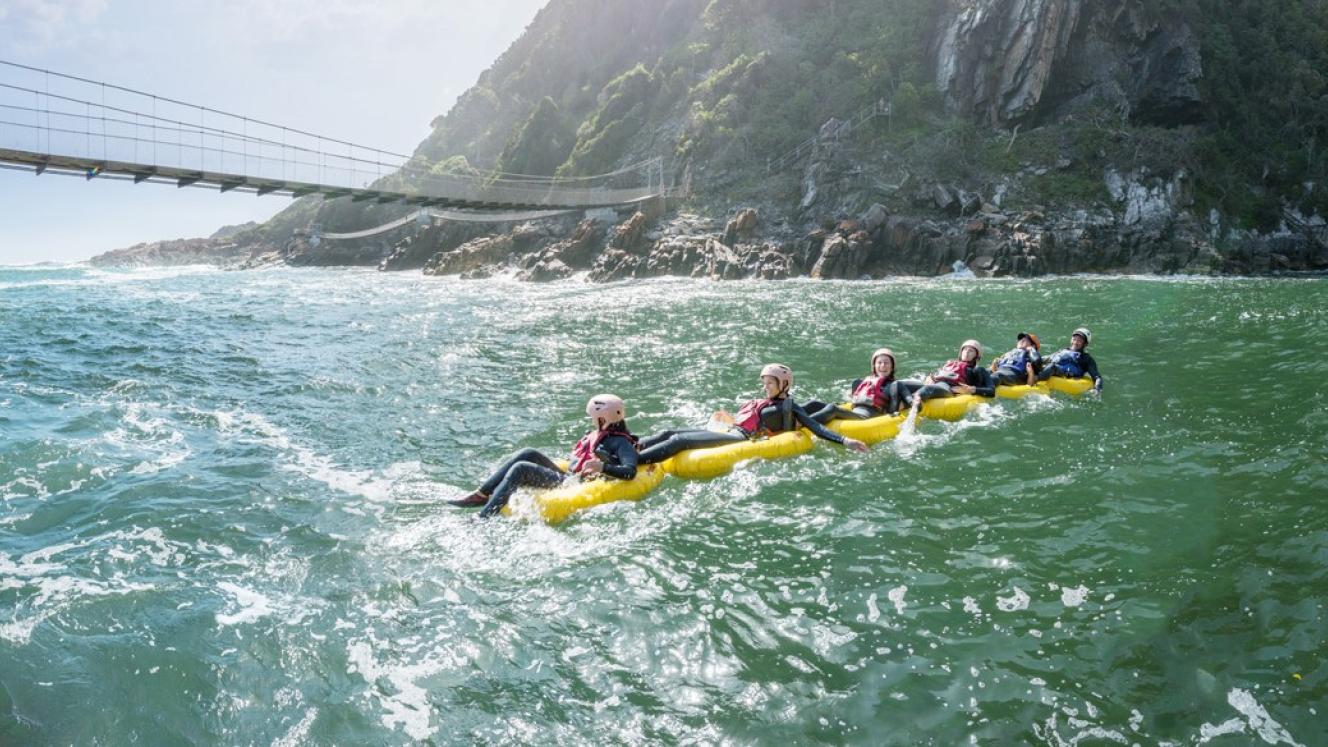
South Africa has a significant opportunity to double down on adventure tourism – which contributed direct expenditure of R12 billion (US$756.4 million) in 2024 – in order to drive geographic spread of tourism and meet the experiential preferences of today’s travellers, according to a new report by SATSA and Futureneer Advisors.
The report found that, with indirect expenditure added (including spend on accommodation, transport and meals), the full economic contribution of the industry in 2024 reached R25 billion (US$1.58 billion).
SATSA – which has strongly advocated for adventure tourism through its dedicated Adventure Chapter – has produced a comprehensive Adventure Tourism White Paper that profiles South Africa’s adventure tourism landscape and provides suggested avenues for further growth.
The white paper highlights that, when the definition of adventure tourism includes activities such as hiking, biking, paddling, birdwatching and cultural immersion alongside “big ticket” adrenaline activities, it unlocks opportunities throughout the country.
“Rural communities with incredible trails, rich cultural heritage and wide open spaces become viable tourism destinations. The Eastern Cape, the Karoo, the Wild Coast, the Drakensberg and the Northern Cape all benefit when adventure tourism expands beyond narrow definitions.”
Opportunities for growth
Mark Brown, Founder and Owner of Canopy Tours South Africa, says, while the low-hanging fruit for adventure tourism is in well-visited tourism areas, repeat visits could be leveraged for broader dispersal.
“The reality is, it’s easier to grow new adventure products where the crowds already are around existing nodes like Cape Town, the Garden Route or Vic Falls. But the opportunity – and challenge – is to use those gateways to coax people out so repeat visitors go deeper and spread the benefits further.”
South Africa’s urban adventures are highlighted in the white paper as “world-class but undermarketed” – encompassing activities such as paragliding, kayaking, sandboarding and trail running in Cape Town, township cycling and bungee jumping in Soweto and surfskating, hiking and trail running around Durban.
“Urban adventure is a huge, underused opportunity in South Africa. Urban areas are where most people are and, for many, these are the first safe step into real adventure before venturing off into the wilder parts of the country,” Brown points out.
SATSA suggests the identification and branding of five to seven “adventure corridors” such as:
- A coastal corridor linking the Wild Coast, Garden Route and West Coast
- A mountain corridor linking the Drakensberg, Cederberg and Mpumalanga Escarpment
- A desert/river corridor incorporating the Karoo, the Orange River and the Kgalagadi
The association emphasises the need to integrate professional standards, such as those developed under the 101 Adventures framework and by independent professional bodies like the South African Adventure Industry Association (SA AIA), into the creation of corridors.
“Adventure guides really do need to specialise in their specific disciplines,” says SA AIA Executive Director Jessi Sunkel. “Nature guides can sometimes manage with broader training but technical specialisation is essential in adventure guiding to ensure safety and quality.”
SATSA additionally suggests:
- A fast-track visa scheme (similar to the Trusted Tour Operator Scheme) for adventure tourism operators
- The creation of a marketing campaign using urban micro-adventures as a taste maker for active safaris and rural routes
- The establishment of a micro-grant scheme to support community enterprises along designated corridors
In light of growing buyer demand for proof of community benefits and credible safety standards, SATSA recommends a dashboard for each corridor – tracking job creation, percentage of local procurement, safety and conservation.
Competitive advantages
SATSA COO Hannelie du Toit stresses that, despite South Africa’s exceptional diversity, competitors such as Australia are forging ahead in the advancement of large-scale adventure tourism development.
"Other countries aren't sitting still. Australia continues expanding its adventure portfolio, with regional Australia presenting massive opportunities. And yet, our offering is deeper and more diverse. It's an opportunity we can't afford to let slip through our fingers," she says.
“Australia’s marketing machine positions the country as the perfect blend of excitement and nature, and they’re winning consideration from the same travellers South Africa targets,” Du Toit adds.
Nic Shaw, Chair of SATSA’s Adventure Chapter, says he sees adventure tourism as South Africa’s most lucrative growth opportunity.
“I see the biggest opportunity for us in the next five years is marketing ourselves as a long-haul global adventure tourism destination. We have the best canvas to grow our industry.”
SATSA identifies further measures to action growth in the adventure tourism sector including leveraging its recently established partnership with the Adventure Travel Trade Association, enhanced certification and incentivisation of operators, mentorship networks and public-private sector partnerships.
Click here to read the full SATSA Adventure Tourism White Paper.