South Africa remains determined to host a Formula 1 (F1) Grand Prix despite Rwanda securing a 10-year agreement to bring the event back to Africa in the early 2030s. South Africa was the last country to host a F1 Grand Prix on the continent in 1993.
Tumelo Selikane, MD of Nielsen Sports SA, told Tourism Update that Rwanda’s agreement does not rule out South Africa hosting its own Grand Prix in future.
“The F1 calendar does not work on a one-race-per-continent model. Europe, the Middle East and the US all host multiple races. Rwanda’s entry proves the commercial case for Africa rather than closing the door on it. For South Africa, the opportunity is to study the success factors behind Rwanda’s bid and build them into our own.”
The more successful Rwanda’s African Grand Prix becomes, the stronger the argument for a second race on the continent, he added.
Sports, Arts and Culture Minister Gayton McKenzie said in a social media post “South Africa will get F1 even before 2030”. He congratulated Rwanda and said the country has worked on its bid longer than South Africa.
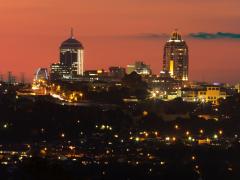
The government’s efforts have centred on upgrading the existing Kyalami Grand Prix Circuit in Midrand but a separate private-sector proposal targets a new circuit near Cape Town.
Blue Mountain Racing, which is planning a purpose-built F1 circuit in the Swartland, has reaffirmed its ambition to host the event in 2031, according to Cape {town} Etc.
But Selikane believes South Africa needs to commit to one host region and venue to improve its chances.
“That choice then needs full, aligned backing from the Department of Sport, Arts and Culture, Department of Tourism, national government and private investors. Both options have genuine merit. Kyalami offers heritage and an established facility. Cape Town offers global destination appeal. What F1 ultimately backs is a single, bankable proposition with clear financial guarantees and one national voice.”
Rwanda’s preparations
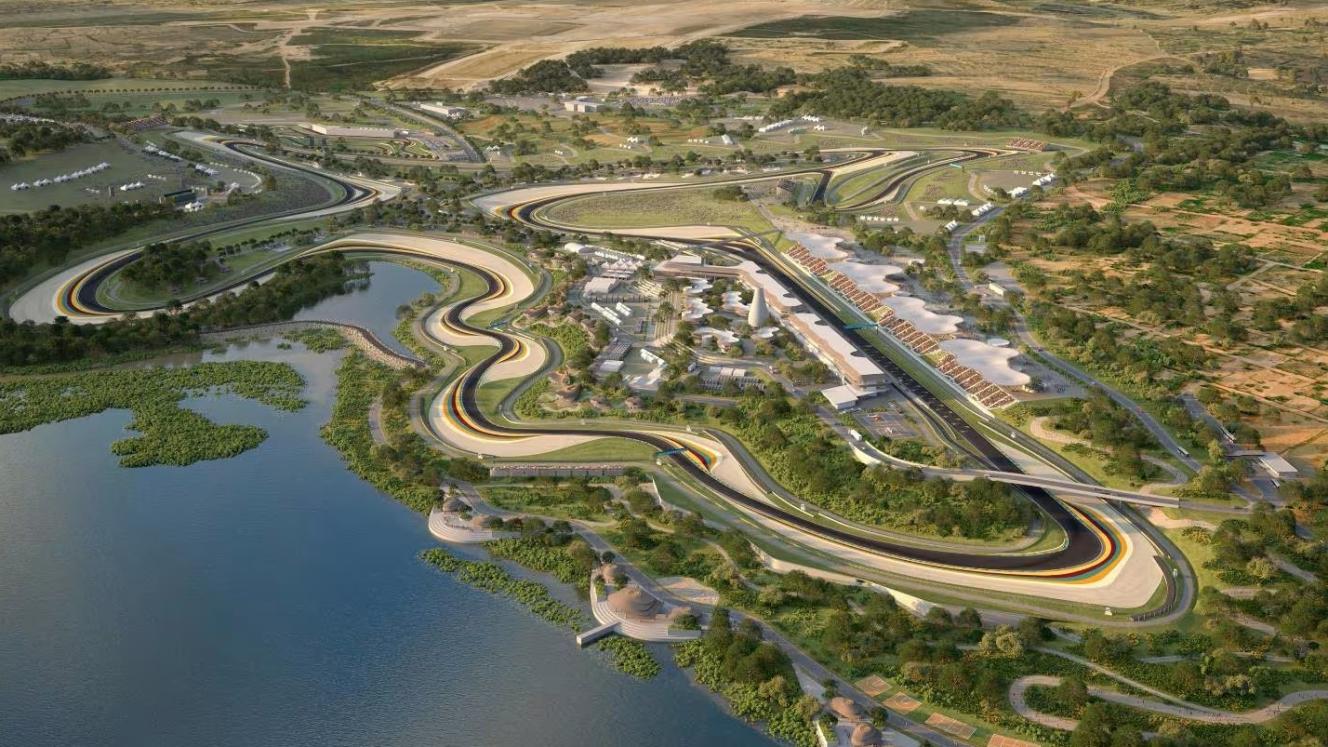
Rwanda will build a new purpose-built circuit in Bugesera approximately 40km south of Kigali and adjacent to the new Kigali International Airport.
But Rwanda will need to increase air capacity to accommodate the influx of international visitors expected at an F1 weekend, according to Selikane.
Commenting on Rwanda’s current capacity to handle the expected demand, he said it is not yet at the scale required but the foundations are being laid.
“Typically, the F1 race weekends averaged roughly 280 000 attendees across 24 races in 2025 and Silverstone reached 500 000. Even a portion of that from international markets places significant pressure on air access over a few days.”
Rwanda needs more frequencies and wide-body capacity on routes from Europe, the Middle East and key African hubs such as Johannesburg, Nairobi, Lagos and Addis Ababa, added Selikane. Charter capacity for event-specific demand and dedicated private aviation handling for teams, partners and VIPs will also be needed.
Other considerations include accommodation capacity and road corridors. Selikane said the country will need to supplement existing hotel stock with suitable accommodation facilities and develop dedicated event routes between Kigali, the airport and the circuit, supported by park-and-ride and shuttle systems.
He also identified an opportunity to link the race to safari, gorilla trekking and multi-country itineraries to extend length of stay and visitor spend.