Tourism stakeholders have welcomed Mpumalanga Tourism and Parks Agency (MTPA) plans to upgrade infrastructure its protected areas but say long-term improvements will depend on greater private-sector involvement in managing and developing the province’s tourism assets.
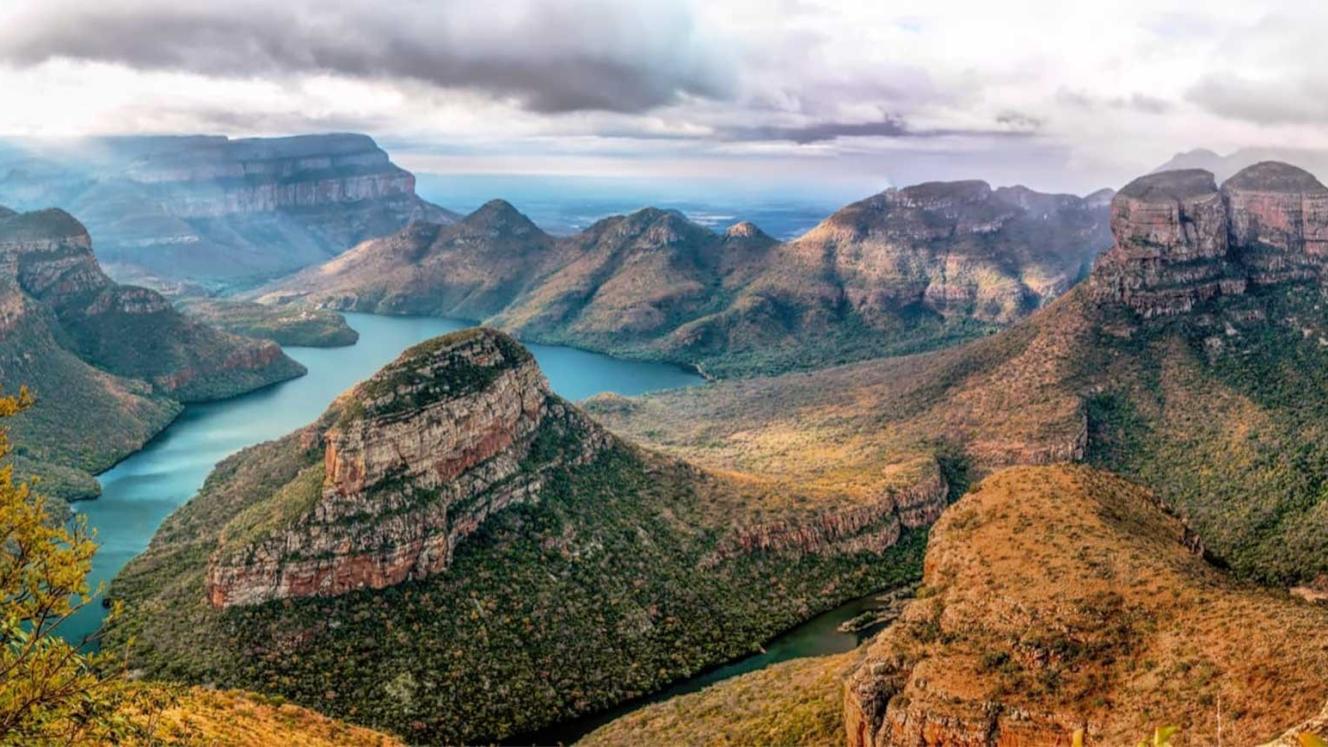
The MTPA announced its infrastructure maintenance and upgrade plan for the 2026/27 financial year last week. Projects include water infrastructure upgrades at Bourke’s Luck Potholes, the Three Rondavels view site and Mdala Nature Reserve, all scheduled for completion by March 31, 2027.
The entity will also invest in tourism product development by establishing three new wild camping sites within the Ohrigstad Nature Reserve to diversify visitor experiences and attract adventure tourists.
Standardised directional signage will also be installed at Blyde River Canyon Nature Reserve, Manyeleti Nature Reserve and Andover Nature Reserve to improve visitor navigation and accessibility.
At Bourke’s Luck Potholes, maintenance work will include road reserve clearing, stormwater drainage rehabilitation and extensive landscaping around the guesthouse facilities.
The scope of work includes septic tank refurbishment and capacity upgrades at five strategic tourism facilities, including the installation of a new drainage system: Mahushe Shongwe, Pinnacle, Bourke’s Luck Potholes, Swadini and Three Rondavels.
Private sector seen as long-term solution
Graskop Gorge Lift Company Co-Founder and Director and SATSA National Chairperson Oupa Pilane welcomes the upgrade. He said the projects address issues the private sector has highlighted for years.
“However, while these projects are necessary, they represent short- to medium-term maintenance rather than a lasting solution,” Pilane told Tourism Update. “We hope to see the MTPA dramatically speeding up the commercialisation of its sites. Partnering with credible private-sector operators is the most effective way to deal with these infrastructure and maintenance challenges once and for all.”
Private investment will bring capital and operational efficiency, innovation and stronger incentives to maintain world-class standards, he said, adding that tourism businesses depend on consistently delivering quality visitor experiences.
Linda Grimbeek, CEO of the Kruger Lowveld Chamber of Business and Tourism, also welcomes the upgrades as this will address many operational issues generating visitor complaints.
“The progress is meaningful in the sense that it will cover the basics and get the sites to a level of ‘not embarrassing’ with reliable water supply, working toilets, timeous maintenance and regular cleaning of the sites.”
However, she said the improvements will do little to enhance the destination’s competitiveness.
“It will not make a tangible difference. There will be no or little complaints, I can already attest as we are not getting any more complaints whereas our inboxes were previously flooded but, in terms of an upgrade to the experience and enhanced destination competitiveness, it will not make a difference at all.”
Both industry leaders argue that the next step should be opening more tourism assets to private-sector development.
Pilane said priorities should include a comprehensive commercialisation strategy with clear timelines for priority sites, expanded private-sector participation in product development and operations, urgent attention to roads, maintenance, cleanliness and safety, and regular public reporting on project delivery and expenditure.
“The private sector, including through the Mpumalanga Tourism Think Tank and SATSA, is ready to engage constructively and partner with the new Board to unlock the full potential of Mpumalanga’s tourism assets. Sustainable solutions will come from real collaboration and faster commercialisation – not from repeated cycles of public funding with limited results,” he said.
Similarly, Grimbeek said: “The frustration is that we need site renewal and this requires the sites to be available for private-sector development to bring them to world-class standard and achieve true destination competitiveness. Government processes simply do not have the ability to effectively develop and manage world-class tourism sites.”
She also encouraged investors to consider the MTPA’s recently published public private community partnership opportunities for several reserves and tourism properties.
Tariff increases
The MTPA has also announced revised tariffs, effective from November 1, saying the increases will help fund infrastructure development, improved tourism facilities and biodiversity conservation.
Across the Blyde River Canyon Nature Reserve’s attractions, the increases are low. The all access conservation levy remains unchanged while entry fees at individual attractions have increased by R1 (US$0.06) to R6 (US$0.36) depending on the site and visitor category.
For South African adults, entry to Bourke’s Luck Potholes has increased from R80 (US$4.88) to R83 (US$5.06), Three Rondavels from R48 (US$2.93) to R50 (US$3.05), God’s Window from R37 (US$2.25) to R38 (US$2.31) and Pinnacle Rock from R32 (US$1.95) to R33 (US$2.01).
For international visitors, Bourke’s Luck Potholes has increased from R173 (US$10.56) to R179 (US$10.92), Three Rondavels from R104 (US$6.35) to R108 (US$6.59), God’s Window from R81 (US$4.94) to R84 (US$5.12) and Pinnacle Rock from R69 (US$4.21) to R71 (US$4.33).
Pilane said the tariff increases from November must be accompanied by clear, measurable improvements and genuine value for money. “The industry and visitors have grown tired of paying more while seeing continued decline at many attractions.”
Grimbeek believes the tariff increase is fair and broadly in line with tariffs at the South African Forestry Company’s waterfall attractions and Kruger National Park but she said the MTPA should communicate how the additional revenue will be used for maintenance.