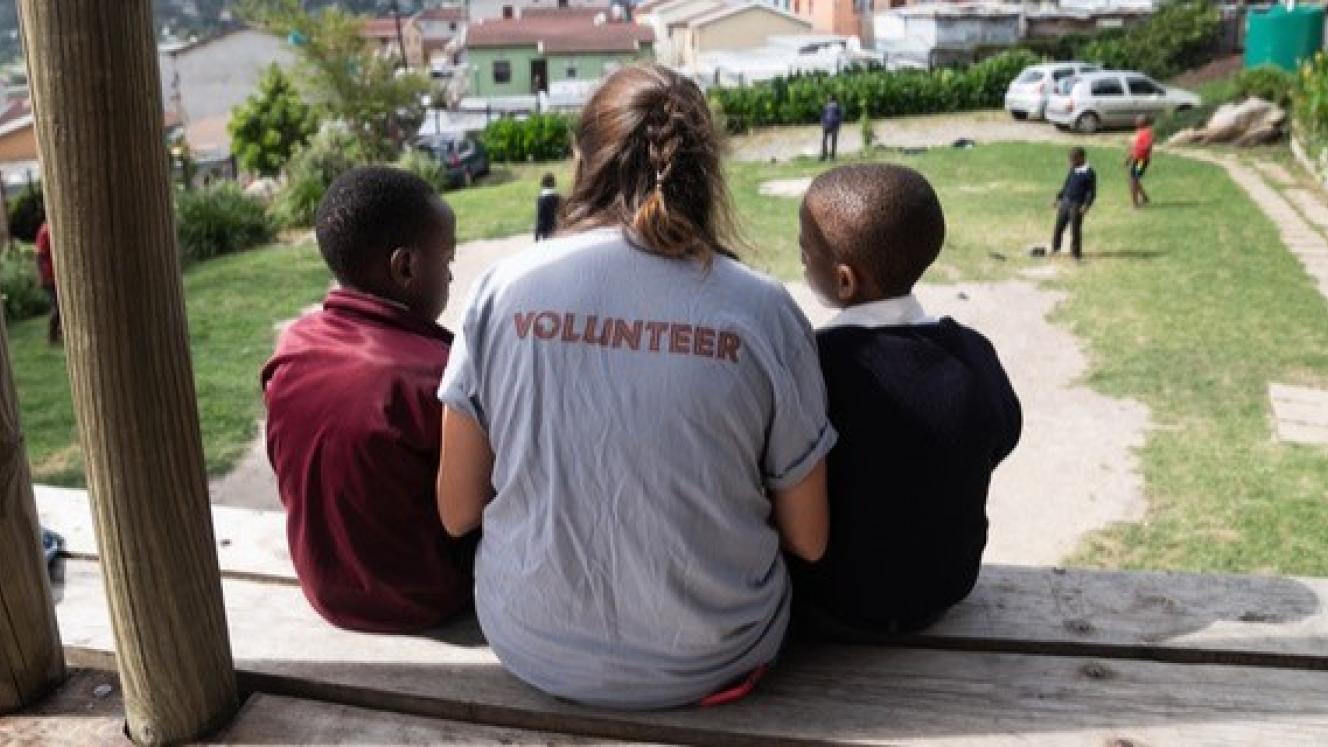
The recent collapse of international volunteer organisation GVI has prompted South African voluntourism operators to call for greater transparency and stronger ethical standards although they say the closure is unlikely to damage the country’s long-term appeal as a voluntourism destination.
The issue has attracted international attention with the BBC reporting that UK gap-year students were left thousands of pounds out of pocket after GVI entered liquidation and cancelled all current and future programmes.
Some students told the broadcaster they lost not only money but valuable opportunities to gain conservation experience. GVI operated volunteer placements around the world, including South Africa.
Local operators told Tourism Update that, while they expect GVI’s closure to raise questions among prospective volunteers, most believe it reflects the circumstances of a single organisation, not a wider weakness in South Africa’s voluntourism sector.
Wilfred Chivell, CEO of Marine Dynamics and the Marine Dynamics Academy, whose organisation has worked with GVI since 2009, said: “Any high-profile closure is likely to affect confidence in the short term. However, South Africa remains home to many reputable conservation organisations. Transparency and good communication will be key to maintaining trust. It may also make prospective volunteers more cautious and, unfortunately, South Africa loses future ambassadors who return home sharing their positive conservation experiences.”
He highlighted that strong partnerships in the voluntourism industry depend on transparency, clear communication and sound commercial practices, adding that organisations should ensure they have appropriate financial safeguards in place.
“GVI’s closure is disappointing for everyone involved, particularly the volunteers whose plans have been disrupted. In my view, if an organisation knows it is no longer able to fulfil its commitments, it has a responsibility to be honest with its clients and partners, stop accepting new bookings or payments and communicate openly. That transparency is essential to maintaining trust in the voluntourism and conservation sector.”
Increased scrutiny
Other operators said the closure could ultimately strengthen the sector by accelerating the shift towards more responsible volunteer programmes.
Ross Muir, Volunteer Manager at Good Hope Volunteers, said the industry’s immediate concern should be the grassroots organisations affected by GVI’s exit.
“When a massive international provider suddenly exits the market, the disruption goes far beyond cancelled travel plans. Projects across Southern Africa and in other parts of the world suddenly lose critical funding, extra hands and programme continuity overnight.”
Muir argued that the closure highlights the difference between commercial voluntourism and community-led volunteer programmes.
“We don’t view this closure as a broad failure of voluntourism in South Africa or globally but rather a harsh lesson in business ethics and local accountability.”
Muir said closure of GVI’s scale is going to make universities, parents and travellers more cautious by asking harder questions about financial stability, where their fees are actually going and how local partners are treated.
“Honestly, we welcome that scrutiny. A healthy voluntourism sector demands total transparency. For this model to work, the value must flow both ways: volunteers get a transformative, practical experience and local hosts get genuine, tangible support that advances their mission. If GVI’s exit forces the industry to mature and prioritise local impact over aggressive marketing, that is a necessary and positive evolution.”
Demand
Operators say demand for voluntourism remains strong although travellers are becoming more selective.
Jessica Smit, CEO of White Shark Projects, said she continues to see healthy demand for conservation volunteering in South Africa, particularly from universities, gap-year students and individuals seeking meaningful, hands-on experiences.
“There is increasing emphasis on programmes that provide measurable educational outcomes, authentic conservation involvement and positive community engagement. I believe that trend will continue regardless of GVI’s closure.”
Hero Holidays Founder Lorraine Keenan agrees that demand remains strong but said the market has changed.
“Travellers are no longer simply looking to ‘volunteer abroad’; they want meaningful, ethical experiences that create genuine value for local communities while offering authentic cultural immersion. The traditional ‘white saviour’ model of voluntourism is steadily disappearing. There has been extensive discussion internationally about ensuring volunteer programmes empower rather than create dependency.”
Standards and programmes
Keenan believes the industry’s future will be shaped by recognised responsible tourism standards and educational programmes. Another important shift is recognising that volunteers should complement local capacity rather than replace paid employment, she pointed out.
“Too many programmes have historically relied on paying volunteers to perform work that could and should create jobs for local people. Responsible voluntourism should focus on skills transfer, capacity building, education and partnership.”
She said international standards are also becoming increasingly important, pointing to initiatives such as The Code, Fair Trade Tourism and Travelife for Tour Operators.
“I believe these types of recognised standards will increasingly shape the future of responsible voluntourism,” Keenan said.