Uganda’s gorilla and chimpanzee trekking industry is facing renewed uncertainty as the country responds to an Ebola outbreak linked to the neighbouring Democratic Republic of the Congo (DRC).
Although Ugandan authorities have repeatedly said the outbreak is under control and key tourism destinations remain unaffected, travel advisories issued by some countries have prompted hesitation among international visitors. Tourism operators report a number of postponements and cancellations ahead of what is traditionally one of the busiest periods of the year.
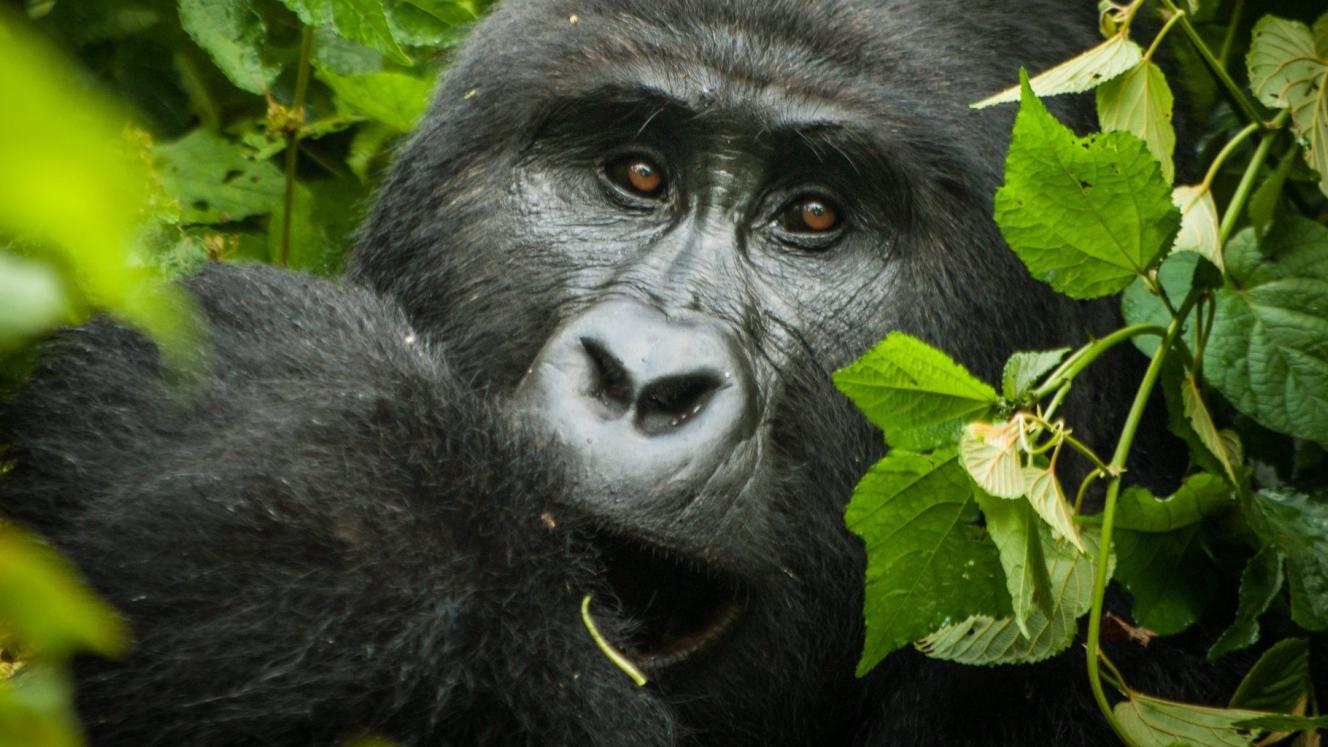
Gorilla trekking is the country’s flagship tourism product, drawing visitors to Bwindi Impenetrable National Park and Mgahinga Gorilla National Park where endangered mountain gorillas can be seen in the wild.
According to Uganda’s Statistical Abstract 2025, 41 468 gorilla permits were sold in 2024 (a 6.8% increase on 2023 and above pre-pandemic levels). Gorilla permit sales generate millions of dollars annually and form a crucial source of conservation funding for the country’s protected areas.
The June-to-August dry season is traditionally regarded as one of the best times to visit Uganda’s mountain gorillas. Forest trails are generally less muddy, hiking conditions are easier and visibility improves within the dense rainforest.
Traveller fears
At Nkuringo Bwindi Lodge, located on the edge of Bwindi Impenetrable National Park, the impact is already being felt.
“Travellers are cancelling and some are postponing because of the travel advisories,” says Lydia Eva Mpanga of Nkuringo Bwindi Lodge.
She maintains that Uganda’s tourism destinations remain unaffected by the outbreak. “We are just under attack, to be honest. But we are fighting to be de-associated with Ebola,” Mpanga says.
Anthony Wanjau, Regional Trade and Partnerships Manager at Asilia Africa, says travel advisories have made some international tour operators cautious.
“Tour operators report a degree of hesitation among potential visitors with travel advisories influencing booking decisions in some markets. There’s a bit of hesitation with agents concerned about the safety of their clients at this time,” he says.
“But the cancellations are not that many to cause alarm. There are travellers postponing and cancelling but mainly postponing because, in two months, everything will be stable.”
Wanjau points to previous Ebola outbreaks, which he says had only a temporary effect on tourism demand. “If you look at the history of Ebola in other times, it doesn’t take long before things go back to normal.”
Isaac Kato, Vice President of the Uganda Tourism Association, says the recent outbreak had a noticeable effect on the sector.
“Reports from industry players indicate that several tourism bookings have been cancelled, some events have been postponed and hotel occupancy rates have dropped sharply from previously high levels.”
Travel advisories and restrictions imposed by some countries have amplified the challenge despite the limited nature of the outbreak, adds Kato.
At the same time, he emphasises that Uganda’s public health response has been robust and the facts surrounding the outbreak are often overlooked.
“It is important to put the situation into perspective. Uganda’s health authorities have managed the outbreak through robust surveillance, contact tracing and response measures. The only reported fatality was a Congolese national while all other confirmed cases have been monitored and treated.”
Perhaps most significantly for the tourism industry, Kato says there has been no recorded Ebola transmission linked to an international tourist visiting Uganda.
“Available information indicates that infections have primarily been associated with individuals who had exposure to the DRC or cross-border communities with links to affected areas. No cases have been traced to tourists visiting Uganda’s attractions, hotels, conferences or tourism events.”
Kato points to recent international tourism gatherings as evidence that visitors can travel safely within the country.
“We have not lost a single Ugandan to Ebola. We have treated them and they are all back home. We don’t have a single transmission even when we recently hosted international buyers and visitors during the Pearl of Africa Tourism Expo in Munyonyo. People went back to their countries and none are sick.”