CemAir has reduced flights on its new George (GRJ)-Hoedspruit (HDS) service just two months after launch as the niche tourism link contends with weaker demand, rising operating costs and constraints at Eastgate Airport. However, tourism stakeholders believe it addresses an important gap in domestic itineraries and could build demand over time – provided the service proves reliable.
The direct service was launched in May with flights on Tuesdays, Thursdays and Sundays. CemAir has confirmed that the schedule has since been reduced. Current published timetable data shows flights operating on Thursdays and Sundays.
“The GRJ-HDS route is a niche product introduced at the behest of the tour operator market. The route has never been operated before so there is no data on expected demand,” CemAir CEO Miles van der Molen told Tourism Update.
Unforeseen global events affected the route soon after its launch, he pointed out.
“We saw significant pull back in the market after the war in the Middle East broke out and obviously a more than doubling of the fuel cost and thus ticket price hikes.”
The challenges in this route reflect broader pressures affecting the airline industry. “Airlines do not operate in isolation from global events and market pressures. Most airlines made significant changes to their operations and pricing during the first six months of this year. At all times, schedules are dynamic and airlines seek to maximise the often contrasting priorities of convenience, utilisation and optimisation to find the best fit.”
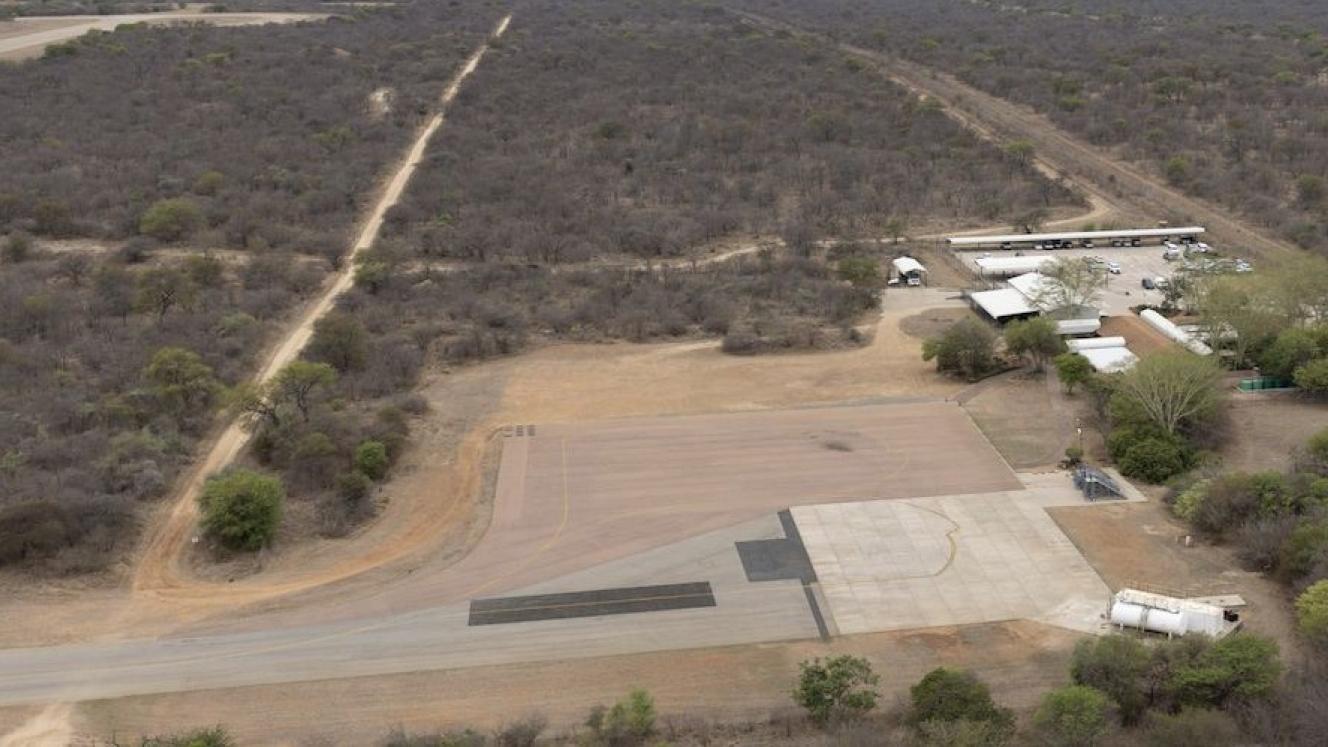
Van der Molen said operational constraints at Eastgate Airport also contributed to disruptions on the route. He noted apron congestion and the airport’s early closing time as constraints.
The airline will continue monitoring demand, he added. “If the route is well supported, the schedule will be expanded. If it’s not, it will be curtailed or terminated.”
Van der Molen acknowledged that schedule changes could be frustrating for travellers but said they are sometimes unavoidable when launching new services in turbulent times.
Airport expansion planned
Eastgate Airport Manager Tersia van der Westhuizen confirmed that infrastructure constraints currently limit airline operations during the airport’s busiest period.
“Because leisure tourists prefer a tight midday window (09h00 to 15h30) to align with lodge check-in and check-out times, the airport faces severe ‘peak load’ scheduling pressure. Eastgate can only accommodate two large aircraft at a time on its existing apron.”
These constraints are temporary as the airport has a clear expansion plan in place, Van der Westhuizen added.
The airport is finalising a long-term lease agreement with the Department of Public Works and Infrastructure, which is expected to be concluded within the next three months. This will be followed by an environmental impact assessment expected to take about 12 months before construction can begin on an expanded apron capable of accommodating a third large aircraft, she explained.
“Once construction is complete, the physical capacity of the midday peak window will increase by 50%, moving from two large aircraft slots to three. This will directly alleviate the midday bottleneck, allowing airlines to add more flights during the preferred 09h00-15h30 tourist window and giving the airport the operational flexibility required to match growing market demand.”
Eastgate Airport remains confident in the long-term prospects of the GRJ-HDS route. “Passenger demand since the launch has been highly encouraging. By physically linking South Africa’s two premier leisure tourism strongholds, the flight immediately tapped into an underserved segment of high-yield travellers,” Van der Westhuizen said.
Trade uptake hinges on reliability
The direct connection addresses a longstanding gap in South African tourism itineraries, according to George-based Wild Wings Safaris MD Onne Vegter.
“George is a key access hub to the Garden Route while Hoedspruit is one of the main gateways to the Greater Kruger Park. A direct scheduled flight between George and Hoedspruit could boost tourism to both regions and it is ideal for combining a Garden Route itinerary with a Greater Kruger safari. Currently, due to flight times, travellers who want to fly from George to Greater Kruger often end up overnighting in Johannesburg.”
Demand exists but the market will take time to develop. “It will probably take a while before this new route will start to reflect in itinerary packaging. Operators will be keen to see if the flight is reliable, not cancelled too often, and whether the pricing compares favourably with the alternative of flying via Johannesburg,” Vegter said.
“Packages sold in our source markets are often marketed and presented to trade partners more than a year in advance. A new route will take time to become popular. Sustained reliability is key to gaining the trade’s trust to start incorporating the route into itinerary planning.”