South Africa has the potential to develop a new tourism growth market by developing religious and pilgrimage tourism more strategically. North-West University (NWU) researchers and industry stakeholders argue that the country's diverse faith heritage remains one of its most underutilised tourism assets.
A new study by the Tourism Research in Economics, Environs and Society research unit at NWU claims that religious and sacred tourism is one of the fastest-growing segments of global travel, yet South Africa has largely failed to package its churches, mosques, temples, pilgrimage sites and sacred landscapes into coherent visitor experiences.
The researchers are participating in SacredTravels4Growth, an Erasmus+ initiative funded by the European Union, that seeks to strengthen higher education, tourism research and sustainable development through religious and cultural tourism.
The researchers argue that South Africa's tourism model has long depended heavily on wildlife and nature-based attractions. While enormously successful, this leaves the country vulnerable to seasonality, changing travel patterns and increasing competition from neighbouring destinations. Religious tourism offers something different.
Dr Walter Wessels said in the study that pilgrimage tourism offered an opportunity to diversify South Africa's tourism offering while spreading economic benefits to rural communities.
"Many sacred sites are located in smaller towns and rural communities that often experience high unemployment and limited economic activity. Developing tourism infrastructure around these sites can stimulate local economies."
He added that pilgrimage visitors created demand for accommodation, transport, restaurants, guides, crafts and cultural experiences where community-owned enterprises were often better positioned to benefit than large tourism operators.
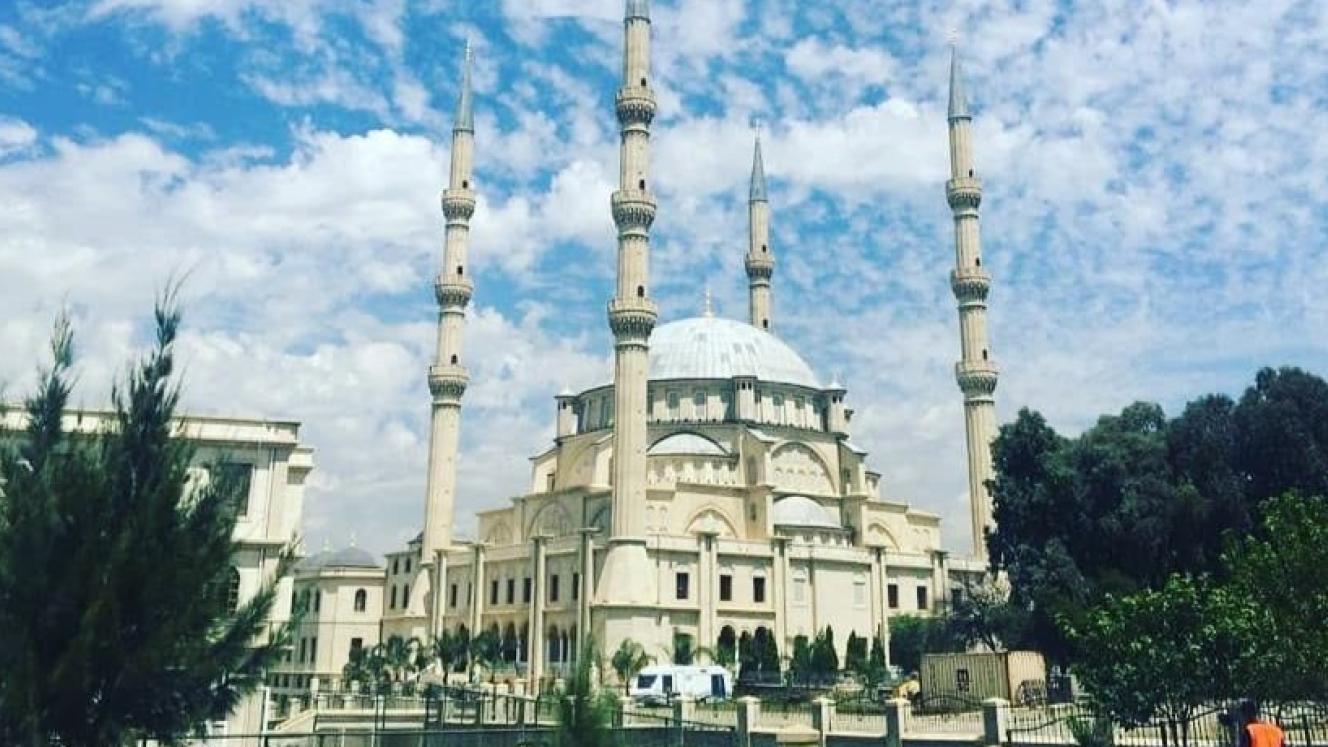
The researchers also argue that South Africa already has internationally recognised religious attractions, including Regina Mundi Church in Soweto, the Nizamiye Mosque in Midrand and the annual Zion Christian Church pilgrimage to Moria, but that these remain largely standalone attractions.
Wessels believes the country should develop themed religious routes that link churches, mosques, temples, liberation heritage sites and indigenous sacred spaces.
"By packaging these experiences into thematic routes and pilgrimage-style journeys, tourism authorities can encourage longer visitor stays and increased spending across multiple regions."
According to Wessels, religious tourism could simultaneously preserve heritage, strengthen local communities and create employment in areas that often see little benefit from mainstream tourism.
"New employment opportunities can be created through guided tours, accommodation, food services, transport, crafts and cultural performances."
Growing demand
Industry players told Tourism Update that the demand already existed – the challenge was developing products around it.
Fayrouz Holliday-October, Director of Halaal Hopper and Chair of the Halaal Tourism Association of South Africa, said religious tourism was becoming a meaningful segment in South Africa’s inbound market.
“Many travellers are not only interested in the beauty of South Africa but looking to explore cultural heritage sites, engage in faith-based gatherings, home-hosted dining and volunteering at places of worship.”
She added that there was growing demand for curated religious and Muslim-friendly tours that were already attracting markets such as Malaysia, Indonesia, India, Saudi Arabia, Qatar and the UAE.
Among the experiences Halaal Hopper offers are Ramadan packages in Cape Town, tours exploring the rise of Islam in the Cape and visits centred on Cape Muslim heritage, while community offerings include events such as international Quran competitions and Tabligh (visiting mosques that convey fundamental practices of Islam).
Holliday-October believes South Africa should integrate faith-based experiences into mainstream tourism and not treat them as a specialist niche, adding that greater awareness, destination readiness, staff training and community involvement would be essential if the sector was to grow successfully.
“Awareness is of utmost importance. We also need to become responsible when visitors spend their money consciously; we have to give them a conscious, responsible service tailored to their faith-based needs. When you set out to package a product catering for Muslim travellers or any other traveller, be intentional to service their faith-based needs as per their faith requirements and not dilute it.”
Competitive advantage
Independent tourist guide and curator of interfaith and spiritual pilgrimages, Berry Behr, agreed that the sector remained largely untapped.
"Religious, spiritual and pilgrimage tourism remain one of South Africa's most underdeveloped opportunities for meaningful and transformational travel."
She believes South Africa's unique combination of liberation history, indigenous spirituality and religious diversity gives it a competitive advantage.
"One of South Africa's greatest competitive advantages is that visitors can encounter Christian, Muslim, Hindu, Jewish, African Traditional, Buddhist and other traditions within a single destination and, in many cases, meet practitioners who know one another personally, and who have stories to tell about meeting in the back of a police van back in the ’80s during anti-apartheid marches.”
She added that, at present, inter-spiritual and intercultural experiences tended to exist as isolated attractions rather than integrated tourism products.
“The opportunity lies in developing multi-day itineraries that combine sacred sites, cultural encounters, liberation heritage, nature and community experiences as one integrated package for the traveller seeking a deeply meaningful experience. Integrated routes increase nights, spend and regional dispersal. Significantly, meaningful travel like this is not seasonally limited or weather dependent,” Behr said.
However, she warned that fragmented tourism products, limited collaboration, inconsistent marketing and the need to protect sacred spaces remained major barriers to growth.
Halaal Food Guide
The City of Cape Town has already begun targeting the halaal market through its recently launched Halaal Food Guide.
Mayoral Committee Member for Economic Growth James Vos said faith-based tourism aligned with broader efforts to make the city more inclusive for diverse visitor markets.
"Religious and faith-based tourism presents a meaningful opportunity for Cape Town and South Africa because today's travellers are increasingly looking for destinations that not only offer memorable experiences, but also understand and cater for their cultural, religious and lifestyle needs."
He added that initiatives such as the Halaal Guide were practical examples of how the city was helping visitors easily identify suitable experiences, thus supporting businesses to better serve this growing market.