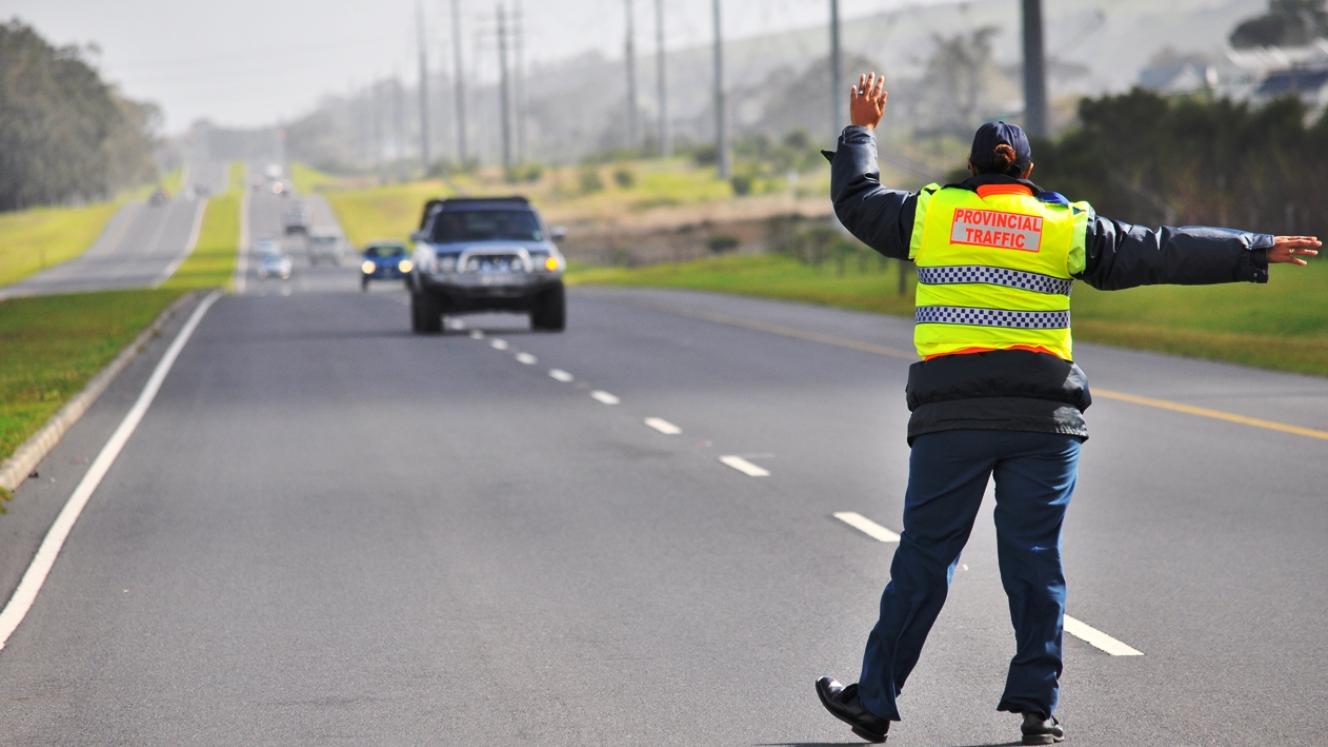
Tourism transport operators have warned that South Africa’s expanded Administrative Adjudication of Road Traffic Offences (AARTO) rollout could leave foreign visitors with unresolved fines, expose them to scams and add new compliance costs for operators on key tourism routes even as the car rental industry says it has spent years preparing for the next phase of implementation.
The warning comes as government pressed ahead with phase 2 of AARTO from July 1. The AARTO Amendment Act applies across 62 municipalities, including Johannesburg and Tshwane, after the Gauteng High Court in Pretoria dismissed the South African Local Government Association’s urgent bid to halt the rollout.
While the Road Traffic Infringement Agency (RTIA) has described the rollout as a step towards improved road safety and discipline, the tourism transport sector says it has received little practical guidance on how the system will work across high-volume, cross-municipal operations.
Industry engagement
“There has been insufficient engagement between government and tourism transport operators,” Onne Vegter, Chair of the SATSA Transport Committee, told Tourism Update.
“While the industry has previously raised concerns about certain aspects of the implementation of AARTO, there has been very little actual, practical engagement with the tourism transport sector, which relies on high-volume, cross-municipal operations often involving multiple drivers. We have seen repeated delays and postponements yet we remain in the dark regarding the specific operational readiness of the 62 affected municipalities and the concerns previously raised by the tourism transport industry.”
Vegter said the lack of clarity is especially concerning as the new phase covers several key tourism gateways and routes such as Durban, Gqeberha, East London, Richards Bay, Polokwane and Mbombela.
“Any uncertainty that leads to roadside delays or administrative confusion is inherently bad for the visitor experience. Informed tourists are already wary thanks to regular reports of roadside corruption and spot fines for arbitrary offences. A poorly designed system, which is administratively complex and difficult to enforce, may result in tourists being caught up in the bureaucracy. We are concerned that AARTO will detract from the seamless visitor experience we strive to offer in South Africa.”
Car rental industry
However, South African Vehicle Rental and Leasing Association (SAVRALA) GM Sandile Ntseoane said the vehicle rental and fleet leasing industry has engaged with government and the RTIA over several years and has invested heavily in preparing for AARTO’s wider implementation.
“While this engagement has been valuable, the operational complexity of vehicle rental and fleet leasing operations means that continued dialogue will remain essential as implementation progresses.”
Ntseoane said many operators have already invested in compliance processes, systems integration, driver nomination procedures, enhanced record-keeping capabilities and customer communication protocols to ensure infringements are allocated correctly and managed fairly.
Liability concerns
A major concern for the sector is how the system will deal with foreign visitors who receive traffic infringements while using rental vehicles or tourism transport services.
“If a tourist uses a rental vehicle or a transport service, the onus remains on the owner or the operator to nominate the driver within 32 days,” explained Ntseoane. “Given our country’s postal challenges and the complexities of the AARTO nomination system, this is extremely difficult to manage. If the nomination is not processed in time, the operator risks accumulating demerit points for someone else’s offence.”
Vegter said there is also no clear mechanism for foreign visitors to resolve infringements before leaving the country.
“This creates a high risk of visitors leaving with unresolved administrative burdens, which could complicate future travel or car rental experiences for them in South Africa.”
Ntseoane pointed out that rental companies already have processes in place to handle infringements involving international visitors in accordance with applicable legislation and the terms and conditions of rental agreements.
“Where appropriate, rental operators provide the necessary documentation to facilitate the nomination process so that responsibility for infringements can be attributed to the driver of the vehicle at the relevant time.”
The specific process depends on the nature of the infringement and the applicable administrative procedures, added Ntseoane. However, he said the objective remains to ensure that infringements are attributed correctly while maintaining a fair and transparent process for all parties involved.
Fraud risk
Vegter also warned that confusion about the rollout is already creating opportunities for scammers.
“The confusing, poorly planned nature of the AARTO rollout has already spawned a wave of scams preying on the public’s confusion. Many citizens and tourists have received text messages from scammers claiming they have an outstanding AARTO fine and need to take urgent action to avoid demerit points or a criminal record. It is not obvious to tourists or local drivers that these messages are from scammers seeking to profit from the confusion.”
Passing on the costs
Vegter said operators are bracing for additional costs as they seek to bolster fine tracking, driver nomination and compliance processes.
When asked if he believes tourists or travel buyers will notice any changes in transport services, he said: “Almost certainly. First, costs will increase. If operators find the administrative burden unmanageable, we may see increased costs as they invest in additional personnel or fintech platforms to manage fine tracking and driver nominations.”
Vegter is advising operators to keep meticulous records of all driver logs for every vehicle at all times.
“If you receive a fine, use an established, third-party fine management platform to monitor status but do not assume the state’s systems will correctly notify you. For travellers, ensure you check your traffic fine status via reputable platforms before you travel or conclude a rental agreement. Do not respond to random text messages informing you that you have an outstanding AARTO fine. Most of these are scams.”
Vegter said the sector is deeply sceptical about the state’s ability to manage the administrative burden of a national demerit system with AARTO expected to be rolled out nationwide sometime in 2027.
“We are adopting a ‘wait and see’ approach. The success of the demerit system relies entirely on a fair, efficient and transparent administrative backbone. If the state cannot manage simple traffic fine administration at municipal level, we have very little confidence that a national points demerit system will be implemented without significant bias and inefficiency.”
The transport industry supports safer roads but AARTO, in its current form, Vegter added “feels like a massive, inefficient bureaucratic hurdle rather than a genuine safety intervention”.
He said: “We need a system that penalises dangerous driver behaviour fairly, not one that punishes fleet owners and transport companies for the state’s inability to efficiently manage administrative processes.”
Ntseoane said the expanded rollout represents a valuable opportunity to assess operational readiness across a much broader geographic footprint.
“SAVRALA believes the period leading up to the introduction of the demerit points system should be used to identify practical challenges, resolve inconsistencies and ensure all stakeholders are appropriately prepared.”