The prolonged rehabilitation of Wilson Airport’s main runway, coupled with increasing urban encroachment and rising operating costs, is placing Kenya’s busiest domestic aviation hub under pressure.
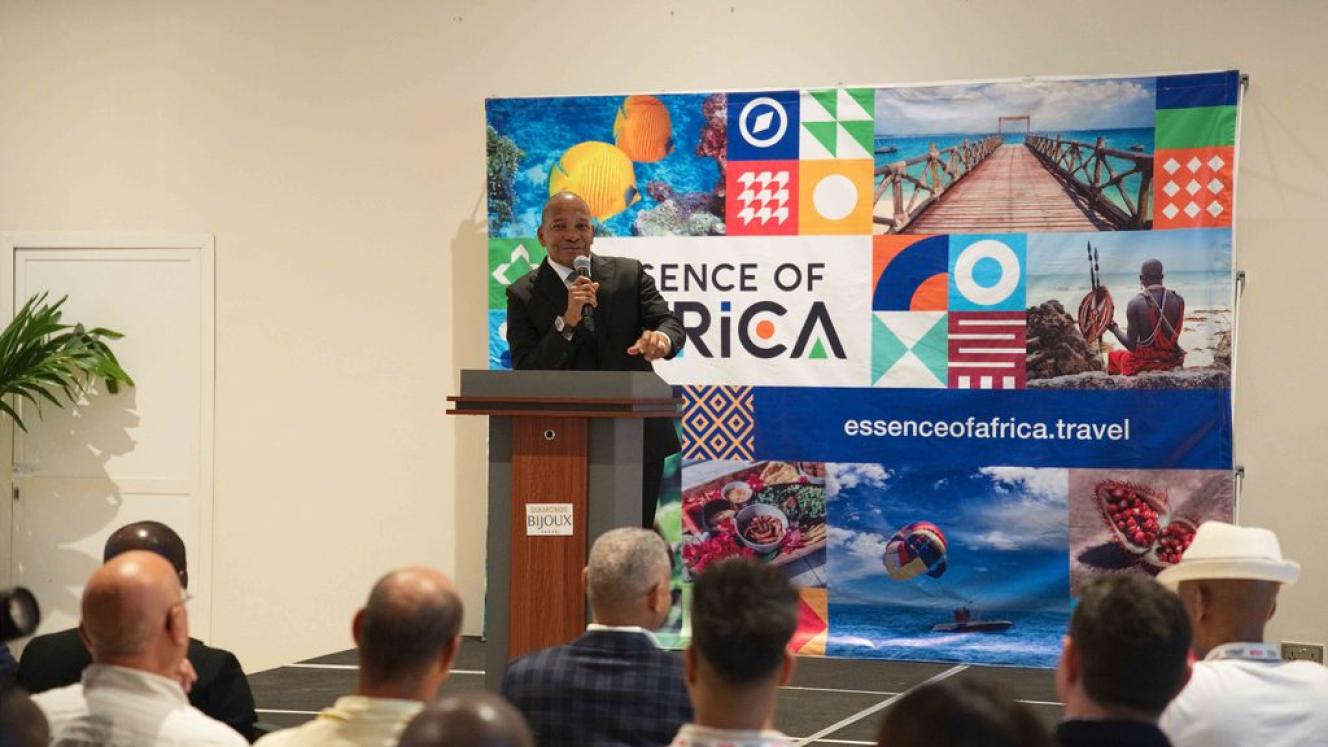
Speaking on the challenges facing Wilson Airport, Kenya Association of Air Operators (KAAO) CEO Liz Aluvanze said the airport remains one of the country’s most strategic aviation assets despite ongoing operational constraints across the aviation value chain.
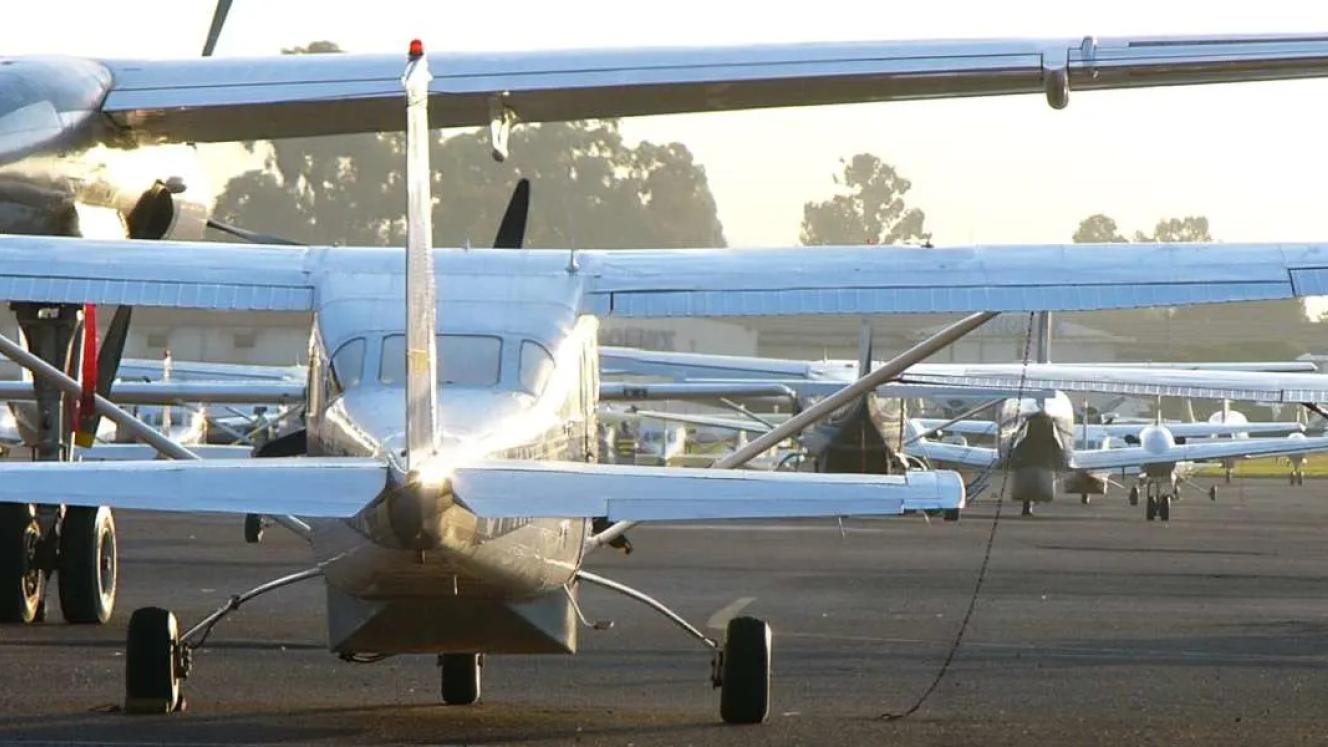
“With the closure of runway 07/25 and all aircraft movements consolidated onto runway 14/32, what was intended to be a time-bound infrastructure intervention has resulted in prolonged single-runway operations that continue to constrain capacity, compress scheduling windows and create congestion across a very intensive general aviation environment,” she said.
Outsized operational importance
According to Aluvanze, the scale of the disruption becomes evident when viewed against Wilson Airport’s operational profile.
“Wilson handles approximately 95 600 aircraft movements every year, which is comparable to Jomo Kenyatta International Airport’s 103 616 movements and significantly more than the combined traffic of Moi, Kisumu and Eldoret airports,” she said. “IATA also ranks Wilson as the busiest general aviation airport in Sub-Saharan Africa, underlining its importance as the backbone of Kenya’s domestic aviation ecosystem and a critical feeder to Jomo Kenyatta International Airport.”
Wilson Airport is home to more than 50 of Kenya’s approximately 70 licensed air operators, hosts 34 operational hangars and supports over 200 aviation-related enterprises. Aluvanze said the concentration of aviation businesses represents substantial private investment.
“Based on data from 21 operators, we estimate that Wilson hosts aviation infrastructure worth approximately US$228.1 million with another US$128.4 million in planned investments largely in aircraft acquisition and operational expansion. Any prolonged disruption at this airport therefore reverberates across the entire national air transport system.”
Delayed runway repairs
The KAAO CEO expressed concern about the delayed completion of the runway rehabilitation works.
“Stakeholders were informed that the rehabilitation of runway 07/25 would take approximately 80 days with completion expected on April 23, 2026. As of July 1, 2026, approximately 149 days have elapsed and the runway remains unavailable. The industry planned around the timelines that were communicated. Those timelines have passed yet operators continue to absorb the cost of delays.”
According to Aluvanze, the operational consequences have been immediate. “Airlines have had to split operations between Wilson Airport and Jomo Kenyatta International Airport, effectively running two parallel systems. That means duplicated infrastructure, higher airport and ground handling charges, increased crew logistics and overtime costs, and reduced aircraft productivity.”
She said the congestion has also increased fuel consumption, disrupted schedules and reduced passenger confidence. “Some operators are losing up to 80 passenger seats every day because of these constraints. Preliminary assessments by three key operators already estimate losses of approximately US$4.8 million and we believe the wider industry’s exposure is significantly higher.”
Aluvanze pointed out that the financial strain comes at a time when airlines are already operating under difficult economic conditions. “The aviation industry operates on exceptionally thin margins. Average earnings are estimated at just US$0.40 per passenger seat while net profit margins are projected to decline to as low as 0.2% by 2026. Under those circumstances, even small operational inefficiencies become structurally significant.”
Wilson Airport is the primary gateway to the Magical Kenya tourism circuit, Aluvanze said. “It connects travellers to destinations such as the Maasai Mara, Amboseli, Samburu, Laikipia and the coast. When efficiency is compromised at Wilson, the effects ripple through tour operators, hotels, conservancies, local communities and the entire tourism value chain.”
Development concerns
Aluvanze also addressed growing concerns about developments around the airport that have encroached into protected aviation safety zones.
“The International Civil Aviation Organization requires member states to protect the airspace surrounding airports through obstacle limitation surfaces. These are internationally recognised aviation safety standards designed to ensure the safe operation of aircraft during take-off, landing and approach.”
She noted that Kenya has domesticated these requirements through the Kenya Civil Aviation Authority (KCAA) working alongside the Kenya Airports Authority and county governments.
“However, a KCAA survey conducted in 2024 identified 41 buildings within protected obstacle limitation surface zones, including structures that exceeded approved height limits.”
According to Aluvanze, enforcement of existing laws is essential. “The principle is straightforward: where there is non-compliance, there must be enforcement. Anything less weakens the very safety standards designed to protect passengers, flight crews and the long-term sustainability of Kenya’s aerodromes.”
Beyond the runway rehabilitation and airspace concerns, Aluvanze said Wilson Airport continues to grapple with ageing infrastructure and loss of land reserved for aviation development.
“As one of Kenya’s oldest aerodromes, much of Wilson’s infrastructure has not kept pace with the scale of aviation activity it now supports. The airport has also continued to lose land originally reserved for future aviation expansion, including facilities such as hangars and operational infrastructure.”
She said the ongoing Wilson Airport master plan presents an opportunity to modernise the airport. “We need expanded apron space, modern terminal facilities, additional hangars and ultimately a second parallel runway to accommodate future growth.”
Aluvanze further called for policy reforms to improve the competitiveness of Kenya’s aviation sector.
“Airlines continue to face rising operating costs, including taxes on aviation services and aviation fuel. Aviation fuel still attracts 16% value-added tax while there is tax relief on road fuels. These costs reduce airlines’ capacity to invest, increase operating expenses and slow growth across an industry that supports tourism, trade, humanitarian operations and thousands of livelihoods.”