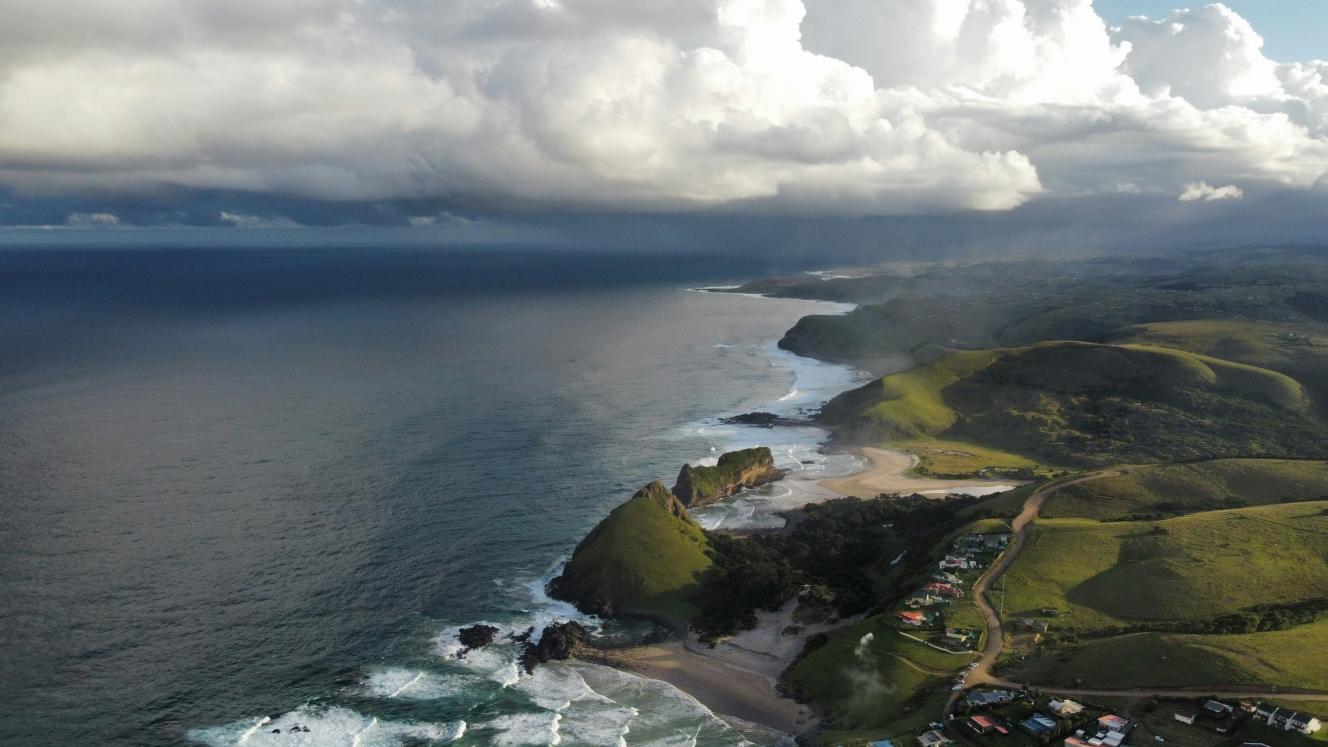
The resignation of Eastern Cape Parks and Tourism Agency (ECPTA) CEO Vuyani Dayimani has heightened concerns about the future of the province’s protected areas with stakeholders warning that chronic underfunding is threatening tourism growth and investor confidence.
According to IOL, the agency is facing a severe funding crisis following, as described by labour representatives, a sharply constrained 2026/27 budget allocation.
Natural Selection and Mkambati Matters Co-Founder Colin Bell told Tourism Update that the resignation reflects a broader funding deadlock between the ECPTA and Provincial Treasury.
“The ECPTA’s annual budget allocation is only 3% above the agency’s salary bill, leaving almost nothing for the costs of effectively managing the 17 provincial reserves under its control.”
Bell said the situation reflects a wider national challenge affecting conservation funding.
“This inadequate funding for conservation is a crisis that is unfolding around South Africa despite the fact that tourism directly and indirectly employs around 1.5 million people, which is far more than the automotive industry with approximately 115 000 jobs or mining providing around 475 000 jobs.”
Tourism remains one of the few industries capable of creating jobs at scale in rural areas where employment opportunities are often limited yet tourism continues to receive less recognition and support from government than other sectors, added Bell.
Tourism operators, investors and travellers all require well-managed reserves, reliable infrastructure and quality visitor experiences, he pointed out.
“The immediate concern is that the ECPTA’s budget allocation provides very limited resources for reserve management, infrastructure maintenance, conservation operations and tourism development,” said Bell.
Weak funding creates uncertainty across the tourism value chain, he added.
“If the agency responsible for managing the province’s protected areas lacks the funding, it inevitably creates uncertainty for biodiversity protection, operators, visitors and investors.”
Bell said the consequences of underfunding could be significant for the province’s tourism offering.
“Declining reserve quality ultimately weakens the province’s appeal to domestic and international visitors.”
Chronic underinvestment could lead to deteriorating roads, poorly maintained accommodation and visitor facilities, weakened wildlife management, reduced ecological monitoring and diminished anti-poaching activity, added Bell.
“Over time, this will diminish visitor experiences, reduce the competitiveness of all of South Africa’s provincial reserves as tourism destinations, negatively affect tourism and, in turn, arrivals, wildlife populations and biodiversity.”
Investor confidence
Bell believes funding constraints could affect investor confidence in provincial reserves although private reserves are likely to remain stable. “Reserves owned and managed by the private sector will continue to power on.”
The situation presents an opportunity to expand alternative funding models, he said.
“Internationally and, increasingly, in South Africa, conservation authorities are recognising that government funding alone is often insufficient to sustain protected areas.”
Bell pointed to public-private-community partnerships as a potential solution, citing examples such as De Hoop in the Western Cape and Mkambati in the Eastern Cape.
Economic role of reserves
Provincial reserves are important economic anchors in rural areas as they are usually located in remote places where alternative employment opportunities are limited or absent, Bell stated.
He highlighted Mkambati and GweGwe Lodge as examples of job creation potential linked to tourism development.
“The reserves and their private-sector partners have the potential to create jobs at scale directly through private sector-managed accommodation, restaurants, transport services, local suppliers and community-owned tourism enterprises.”
Sustainably funded protected areas safeguard ecosystem services such as water security and climate resilience while creating opportunities for skills development, entrepreneurship and community participation in tourism, Bell pointed out.
Policy priorities
Government must prioritise conservation and tourism as strategic economic sectors that warrant greater investment, given their contribution to employment, rural development and foreign exchange earnings, Bell stated.
He called for stronger frameworks to enable partnerships and diversified funding mechanisms, citing public-private-community partnerships similar to SANParks’ Kruger, Table Mountain and Addo Elephant national parks.
“Where appropriately structured, these partnerships attract investment, improve management standards, expand tourism offerings and strengthen conservation outcomes.”
Bell urged the ECPTA and national government to prioritise critical maintenance, conservation management and visitor infrastructure while exploring diversified revenue streams and funding mechanisms.
“South Africa’s commitment to protecting 30% of its land and sea by 2030 cannot be achieved without adequately functioning provincial conservation agencies and reserves,” he warned. “Protecting the country’s natural assets is not simply an environmental imperative; it is an economic necessity that underpins tourism growth, job creation and long-term sustainability. The faster government, including Treasury, recognises that conservation without cash is merely a conversation, the better chance South Africa has of maintaining healthy ecosystems that will keep on generating returns in so many ways for South Africa.”