
Six Southern African Development Community (SADC) countries have launched the Vulture Safe Zone Alliance regional initiative aimed at protecting declining vulture populations through coordinated conservation measures and safer infrastructure.
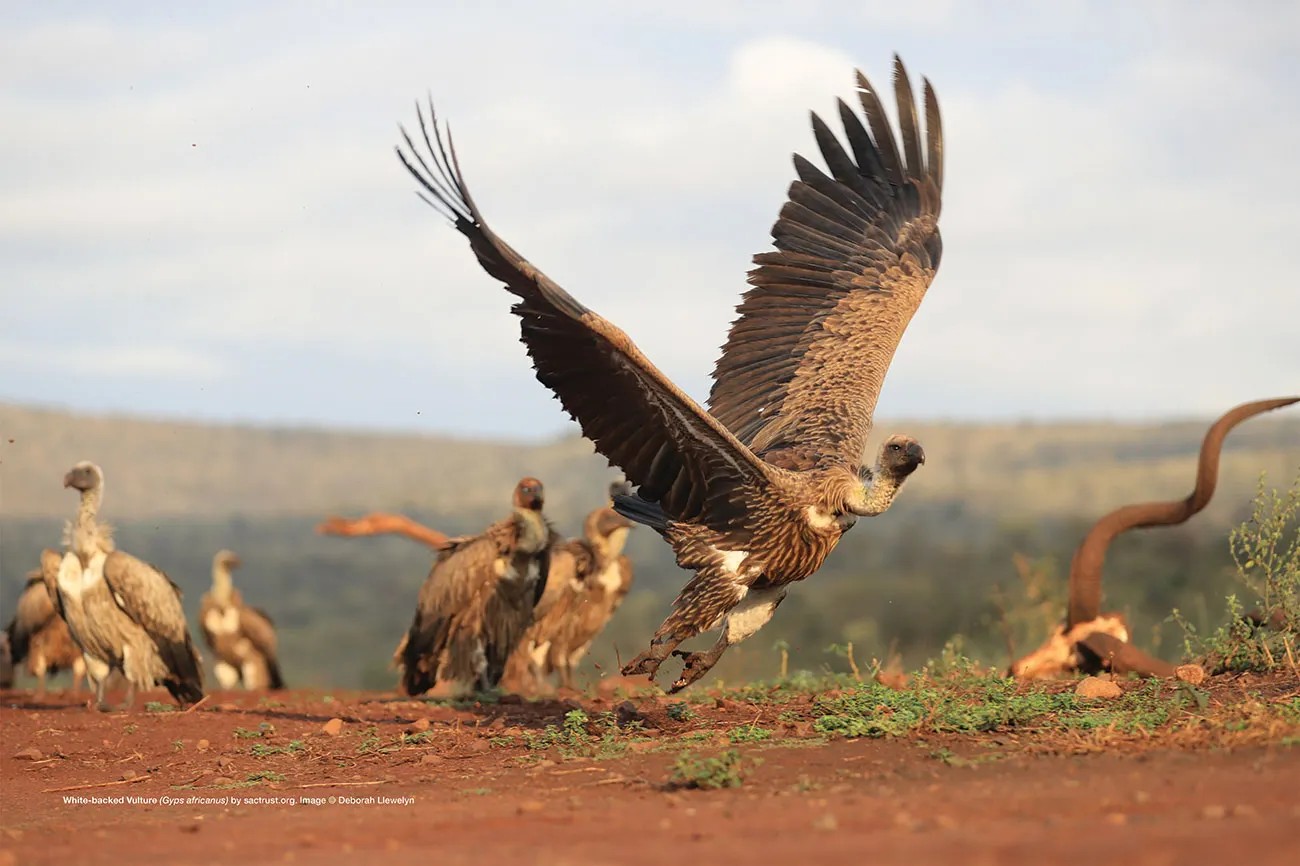
Launched last month, the alliance brings together Botswana, Zambia, Zimbabwe, Malawi, South Africa and Tanzania to address threats facing the region’s vultures. According to the Southern African Conservation Trust (SACTrust), African vulture populations have declined by between 80% and 97% over the past five decades. Six of Africa’s 11 vulture species are classified as endangered or critically endangered on the International Union for Conservation of Nature’s Red List.
The birds face multiple threats, including intentional and accidental poisoning, habitat loss, human-wildlife conflict and collisions with power lines and other infrastructure.
Education supports conservation
SACTrust says protecting vultures requires coordinated conservation policies and changes in public attitudes towards the birds, which play an important role in ecosystems by removing animal carcasses and helping limit the spread of disease.
The organisation’s Vusa the Vulture Guardian educational comic series aims to help children understand the importance of vultures and encourage communities to protect them.
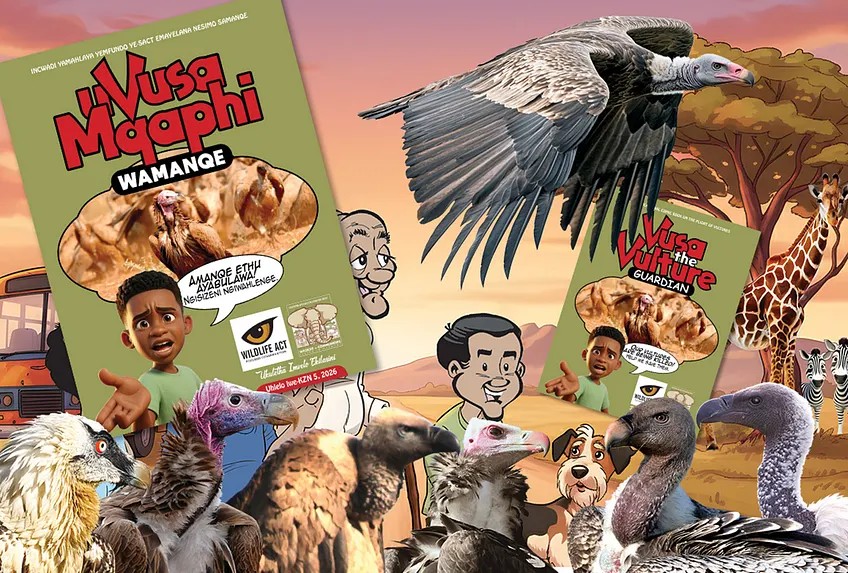
SACTrust works with more than 30 non-profit organisation partners, including BirdLife and the Endangered Wildlife Trust, to distribute educational materials across the region. Its comics are also being translated into local languages to improve accessibility. A collaboration with Wildlife ACT has resulted in printing 3 000 copies in English and isiZulu for distribution to schools and communities in KwaZulu-Natal.