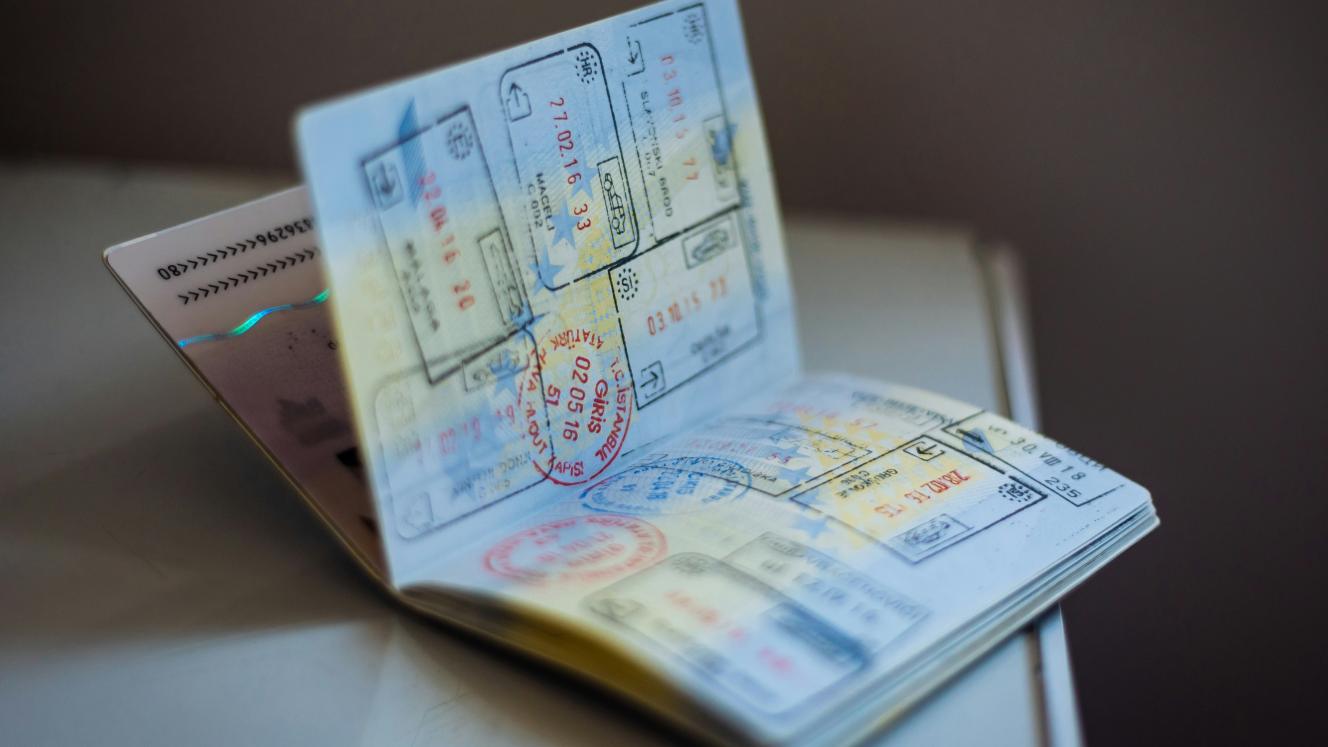
The Southern African Development Community (SADC) UniVisa initiative may be a step closer to implementation but tourism stakeholders argue that success will depend on reducing travel friction rather than simply introducing another visa layer.
The proposed UniVisa, designed to streamline travel across Southern Africa through a single tourist visa, was a key focus area of a side event hosted by SADC and the Southern Africa Tourism Alliance (SATA) during Africa’s Travel Indaba in Durban.
According to Marygoreth Mushi, Programme Officer: Policy and Market Development at the SADC Secretariat, the UniVisa is advancing through the regional inter-ministerial process following review by SADC ministers responsible for tourism.
Mushi said the initiative is part of a broader regional tourism agenda that includes an air access study, a border post audit due to begin in July and a tourism market strategy positioning SADC’s Transfrontier Conservation Areas as regional destinations.
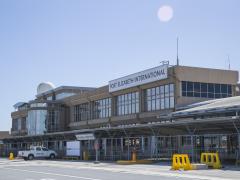
However, industry stakeholders caution that a successful UniVisa must be accompanied by practical improvements at border crossings.
Jillian Blackbeard, Africa’s Eden CEO, said the traveller experience at regional borders has a direct impact on demand for multi-country itineraries.
“Southern Africa is increasingly sold as a multi-country destination. Many visitors are doing three or four countries in under two weeks so a two- or three-hour delay at a border is not a small inconvenience; it becomes part of the holiday memory.”
She said dedicated tourism lanes, customer service training for border officials and more one-stop border posts would make an immediate difference.
“Borders are often the first and last human interaction a visitor has with a country. A welcoming, informed and confident official can shape how a traveller feels about the destination.”
Blackbeard also argued that a future UniVisa system should prioritise simplicity and consistency.
“I would prefer to see a visa-free or unified entry area rather than simply another paid visa layer,” she said. “If a unified system is introduced, it should be digital, simple, pre-cleared before travel and consistent across the region.”
Blackbeard warned that uncertainty and administrative complexity often present greater barriers than visa costs.
“The biggest issue is not always the visa fee; it is the uncertainty, paperwork and friction around the process.”
Consistency across countries is equally important for the travel trade, Blackbeard added.
“Tour operators build itineraries months, often years, in advance. They need to know that entry requirements, park fees, taxes and border processes will not suddenly change without notice.”
While Blackbeard said the UniVisa could improve the region’s competitiveness, she stressed that visas alone would not determine success.
“People choose Southern Africa for its wildlife, wide open spaces, diversity, people, high-quality lodges and multi-country experiences,” she said. “Where visas matter most is in reducing friction and building repeat visitation. Air access, connectivity, safety perception and destination marketing are equally, if not more, important in strengthening our global competitiveness.”
As a next step, SATA will work with the SADC Secretariat to develop a coordinated and costed regional position on visas, air access and border efficiency ahead of the SADC Summit in August.